
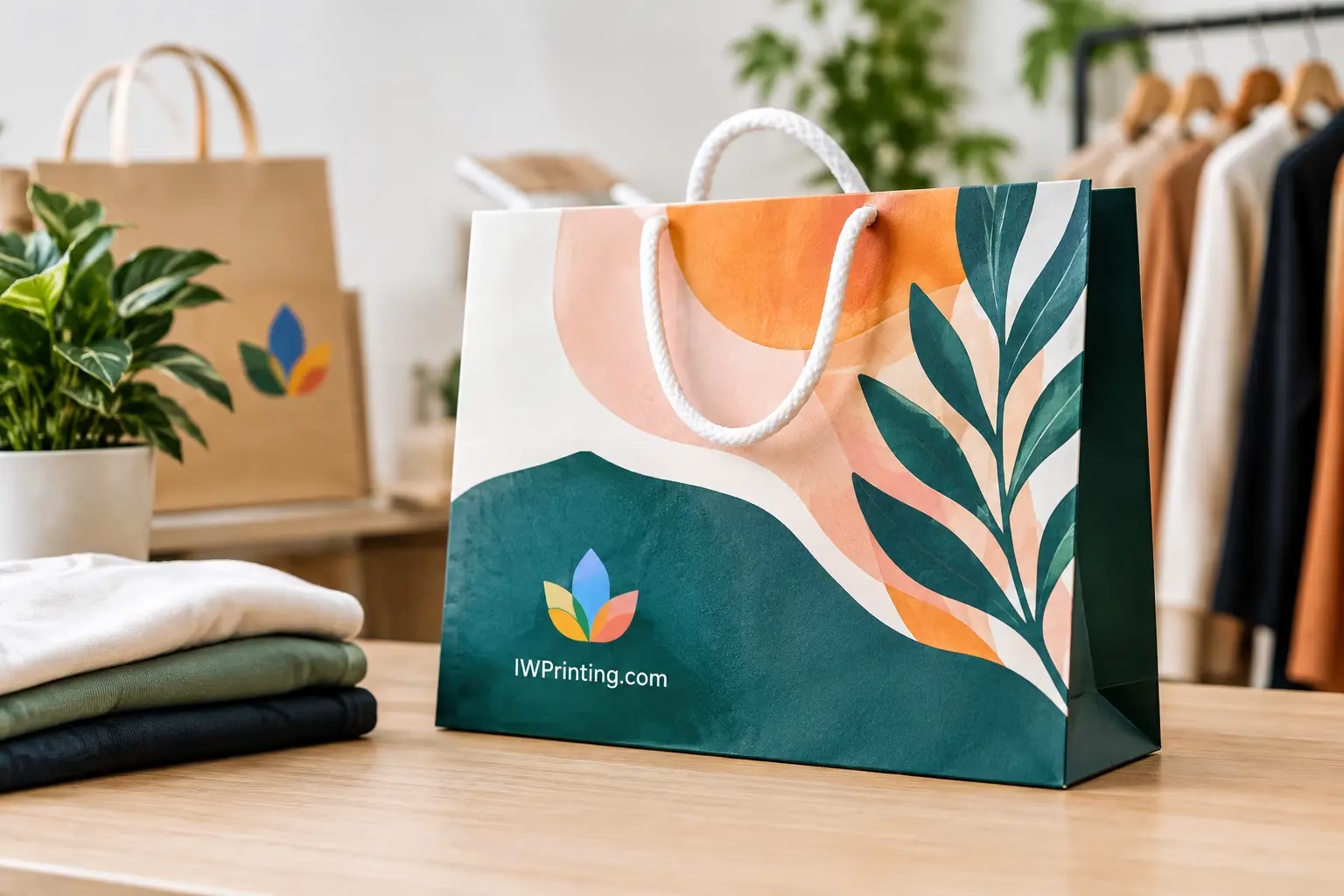
Shopping Bag Printing That Builds Brand Recall
Shopping bag Printing turns every purchase into brand exposure. Choose materials, sizes, finishes, and artwork that fit your product, budget, and customers.
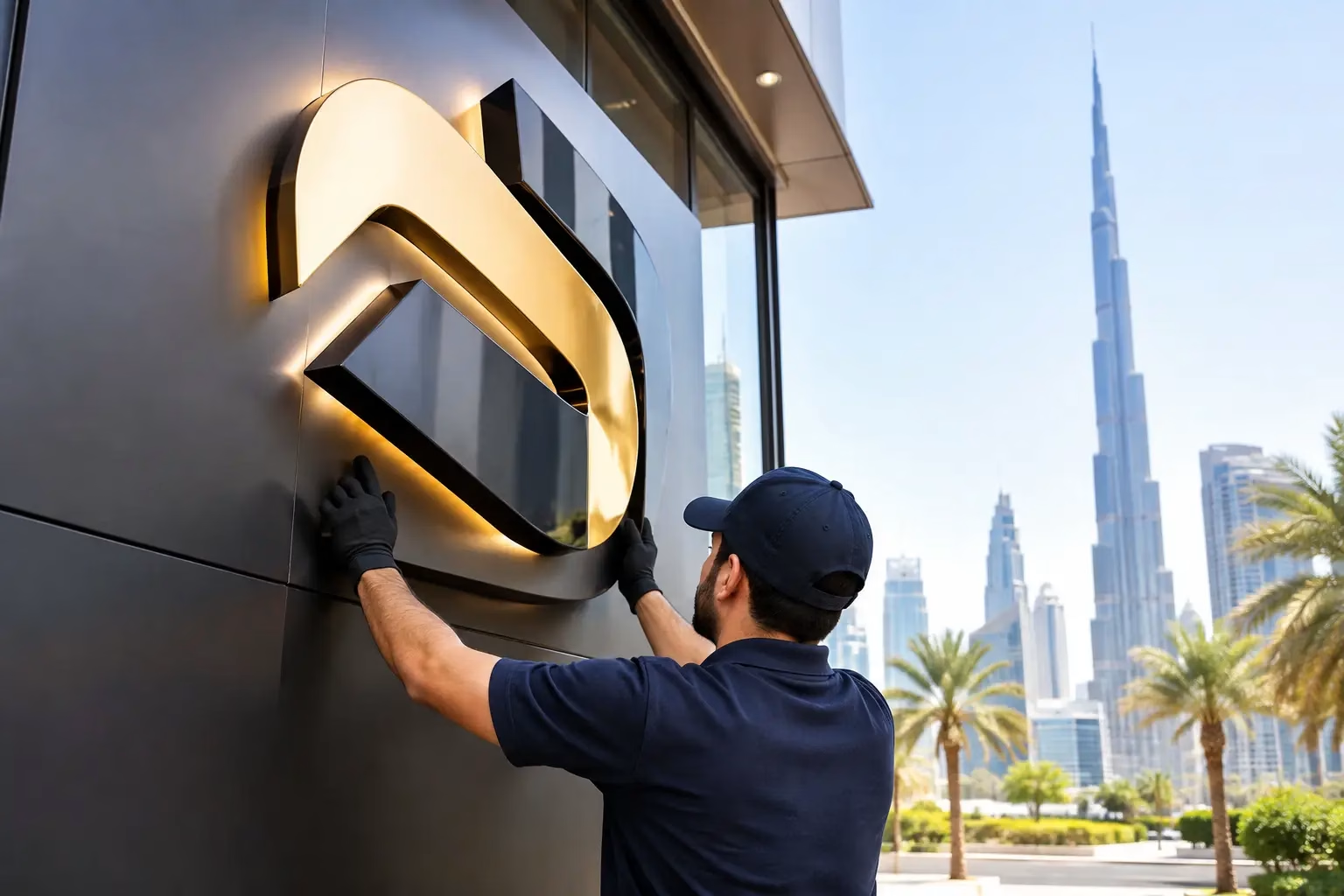
A storefront can have the right location, great products, and a polished interior, then lose attention because its sign is flat, dim, or hard to read from the road. 3D Signage Board Making in Dubai gives businesses a more visible, permanent way to put their name in front of customers. Raised letters, illuminated logos, and dimensional panels create depth that standard printed signage cannot match, especially in busy retail, hospitality, office, and commercial areas.
For a new opening, rebrand, fit-out, or multi-location rollout, the best 3D sign is not simply the largest one. It is the sign that suits the viewing distance, building surface, operating hours, brand colors, and available budget. Getting those details right before fabrication saves time, avoids costly revisions, and produces a more professional result.
A 3D signage board uses fabricated letters, logos, symbols, or shapes that project outward from a wall, fascia, reception panel, or freestanding structure. The visible face has physical depth, which creates natural shadows in daylight and gives the brand a more established appearance.
This format works well for shopfronts, mall units, office receptions, hotel entrances, clinics, restaurants, showrooms, schools, and development sites. It can be built as individual letters mounted directly to a surface, a logo fixed to a backing panel, or illuminated lettering designed to remain clear after dark.
The benefit is practical as well as visual. Dimensional lettering is easier to notice from an angle, can support internal or halo lighting, and gives a business a sign system that feels integrated with its premises rather than temporarily applied to it.
Before selecting acrylic, stainless steel, aluminum, or LEDs, define what the sign needs to achieve. A logo above a restaurant entrance must work differently from an office reception sign or a directional sign inside a healthcare facility.
Start with the sign location. Measure the available width and height, check the wall or fascia material, and identify where customers will first see the sign. A letter size that looks impressive from three feet away may disappear from across a parking area. Conversely, oversized lettering can overwhelm a narrow storefront and create unnecessary fabrication costs.
Brand artwork also matters. Supply a high-resolution vector logo whenever possible. Clear artwork allows the fabrication team to reproduce letter shapes, spacing, and brand colors accurately. If the original artwork needs adjustment for small details, thin strokes, or lighting placement, those changes should be approved before production begins.
A reliable sign brief should cover the final size, installation height, preferred materials, whether lighting is required, target completion date, and site access conditions. For large projects, a site survey is often the sensible first step. It confirms measurements and identifies practical requirements such as electrical points, access equipment, wall fixing methods, and landlord approvals.
There is no single best material for every 3D sign. The right choice depends on the desired finish, exposure to heat and dust, lighting requirements, maintenance expectations, and budget.
Acrylic letters are a popular option for indoor branding and illuminated signs. They offer a clean, contemporary finish, can be produced in brand colors, and work well for reception walls, retail interiors, and acrylic-faced LED letters. Acrylic is cost-effective for many applications, but the correct thickness and mounting method are essential for a premium finish.
Stainless steel letters create a more formal, long-lasting appearance. Brushed, polished, gold-toned, or painted finishes can suit corporate offices, hotels, premium retail, and property developments. Stainless steel is generally more expensive than acrylic, but it offers strong visual value where the sign is part of a high-end environment.
Aluminum is lightweight, versatile, and suitable for many external applications. It is often used for fabricated letters, sign trays, and powder-coated structures. For businesses that need durability without the weight and cost of thicker steel components, aluminum can be a practical choice.
ACP, or aluminum composite panel, is frequently used as a background or fascia panel behind raised letters. It provides a neat, consistent surface and is available in many colors and finishes. It is especially useful when the existing wall is uneven, damaged, or visually distracting.
PVC and foam-based materials can be effective for budget-conscious indoor signs, promotional environments, and short-to-medium-term installations. They should be selected carefully for exposed outdoor locations, where temperature, sunlight, and weather conditions place greater demands on the material.
Illumination extends the value of a sign beyond daylight hours. For a business that operates in the evening or faces a busy road, lighting is often a functional investment rather than an optional upgrade.
Front-lit channel letters have illuminated letter faces and provide bright, direct visibility. They are a strong choice for retail storefronts, restaurants, pharmacies, and businesses that need their name to read clearly from a distance.
Backlit, or halo-lit, letters cast light onto the mounting surface behind them. The result is refined and premium, making it particularly suitable for corporate receptions, hospitality venues, clinics, and high-end retail. Halo lighting is visually attractive, although it may not be as immediately readable as front lighting from long distances.
Combination-lit letters use both a bright face and a halo effect. This option delivers strong visibility and extra depth, but it requires more fabrication work and typically comes at a higher price. Non-illuminated 3D letters remain an excellent choice for well-lit interiors and locations where architectural lighting already does the job.
For all illuminated signs, use quality LED modules, appropriate power supplies, protected wiring, and accessible components for future servicing. A lower upfront price can become expensive if lighting fails early or requires difficult repairs after installation.
A strong design can still look poor if the letters are uneven, the lighting is inconsistent, or the mounting is visible. Professional 3D signage requires accurate cutting, careful finishing, controlled assembly, and installation by a team that understands the site.
Letters should be aligned using templates or precise positioning methods. Fixings need to suit the mounting surface, whether it is concrete, glass, wood, gypsum, metal cladding, or ACP. Electrical connections for illuminated signs should be planned neatly and safely, with cables concealed wherever possible.
Outdoor installations may also require consideration of wind exposure, heat, water resistance, and access for maintenance. In Dubai, external signs face intense sunlight and high temperatures for much of the year. UV-resistant finishes, durable adhesives, suitable sealants, and outdoor-rated lighting components help protect the sign’s appearance and performance.
Installation timing is another real-world factor. Mall stores, hotels, medical facilities, and active offices may have restricted working hours or access rules. Coordinating production, permits, installation crews, and site access through one provider reduces delays and keeps the project easier to manage.
3D signage pricing varies because each sign is built around its own specifications. Size is an obvious factor, but it is not the only one. The letter depth, material grade, finish, lighting type, logo complexity, backing panel, mounting height, electrical work, and installation access all influence the final quotation.
A simple set of non-illuminated acrylic letters for an indoor reception wall will usually cost less than illuminated stainless steel channel letters installed several meters above a storefront. A custom-shaped logo with multiple colors and intricate cutouts may also require more production time than standard lettering.
The most useful way to compare quotes is to compare specifications, not just the total amount. Check the material thickness, type of finish, LED quality, installation scope, warranty terms, and whether site survey or electrical work is included. A clear quotation prevents surprises and helps decision-makers choose a sign that matches both the brand and the budget.
A 3D sign is a long-term brand asset, so basic maintenance should be considered at the buying stage. Outdoor letters benefit from periodic cleaning to remove dust and residue. Illuminated signs should be checked if brightness becomes uneven, and damaged faces or loose fittings should be repaired promptly before they affect the entire presentation.
For businesses with multiple locations, standardizing logo files, letter specifications, colors, and lighting methods makes future ordering and reordering faster. It also creates a consistent customer experience from one branch to the next.
IWPrinting.com supports businesses with custom 3D signage from artwork review and material selection through fabrication, installation, and delivery coordination. Whether the requirement is a single reception logo or a complete storefront sign, clear specifications and dependable production make the difference.
A well-made sign does more than identify an address. It gives customers a reason to look up, recognize the business, and feel confident they have arrived at the right place.
Shopping bag Printing turns every purchase into brand exposure. Choose materials, sizes, finishes, and artwork that fit your product, budget, and customers.
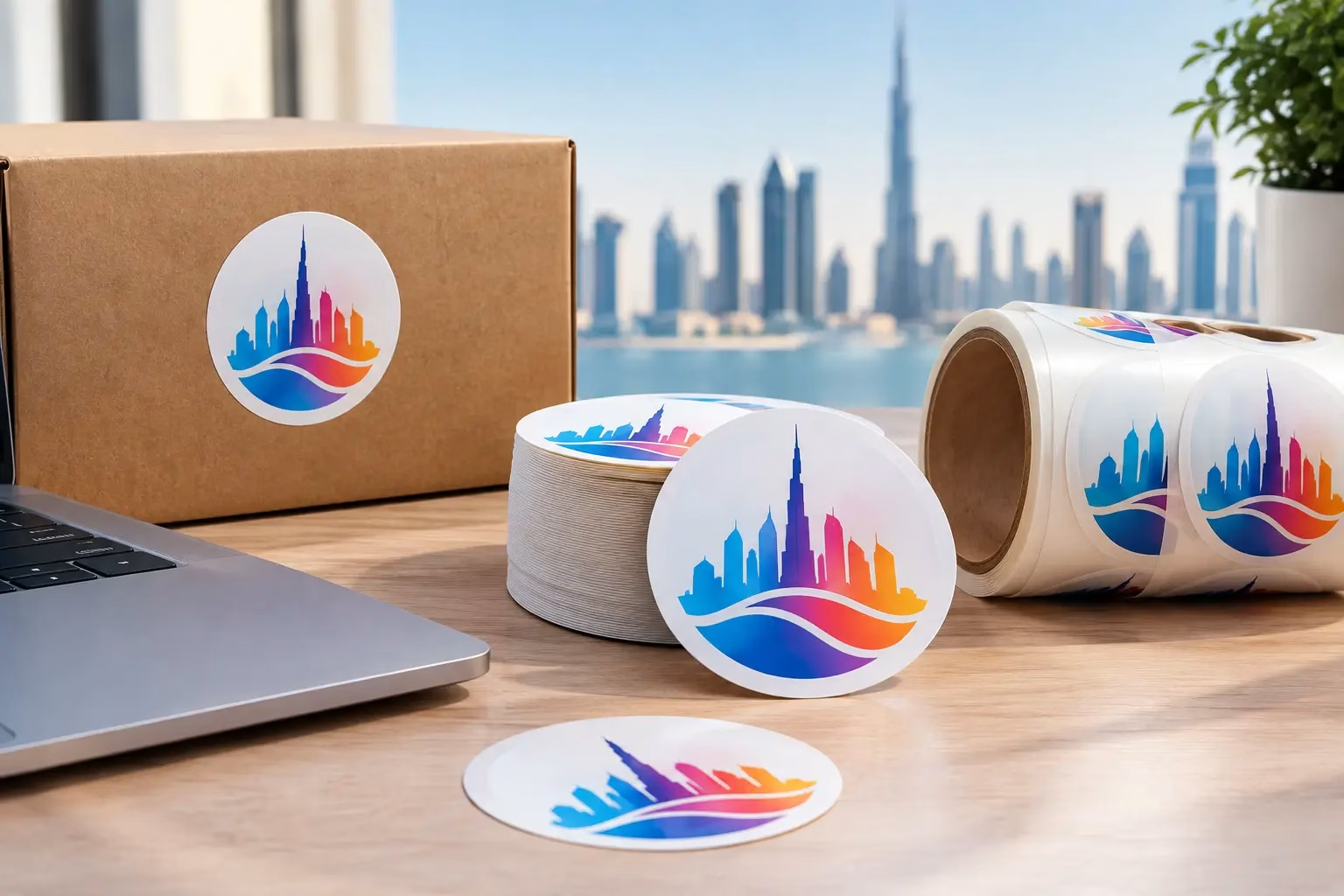
Get Round Sticker Printing in Dubai for product labels, events, and promotions. Choose durable materials, sharp color, custom sizes, and fast delivery.
WhatsApp us
Printing, corporate gifts and signage — tell us what you need and let AI help you find it.
Ask naturally. IWPrint AI can understand your product, quantity, budget and requirement.