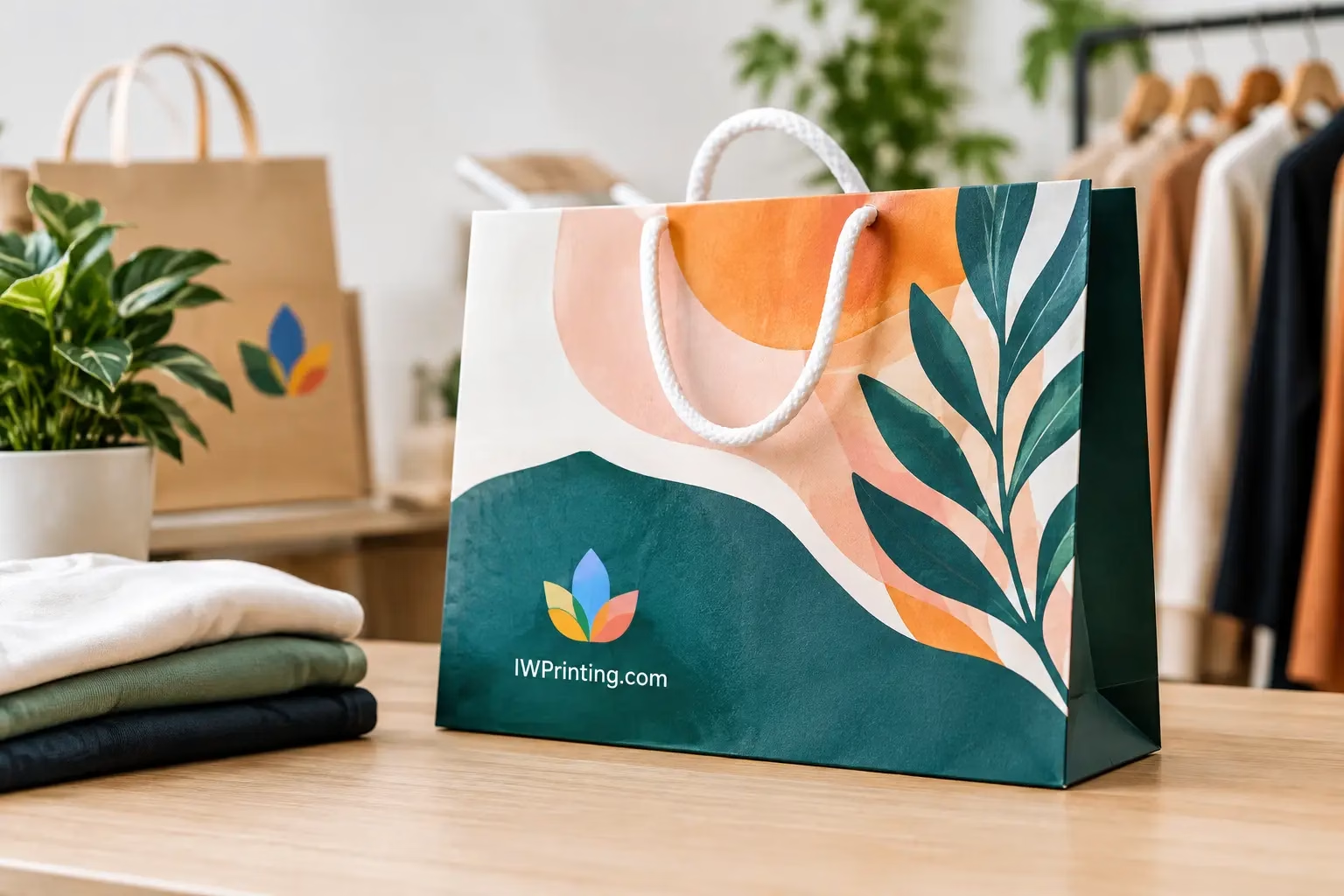
Shopping Bag Printing That Builds Brand Recall
Shopping bag Printing turns every purchase into brand exposure. Choose materials, sizes, finishes, and artwork that fit your product, budget, and customers.

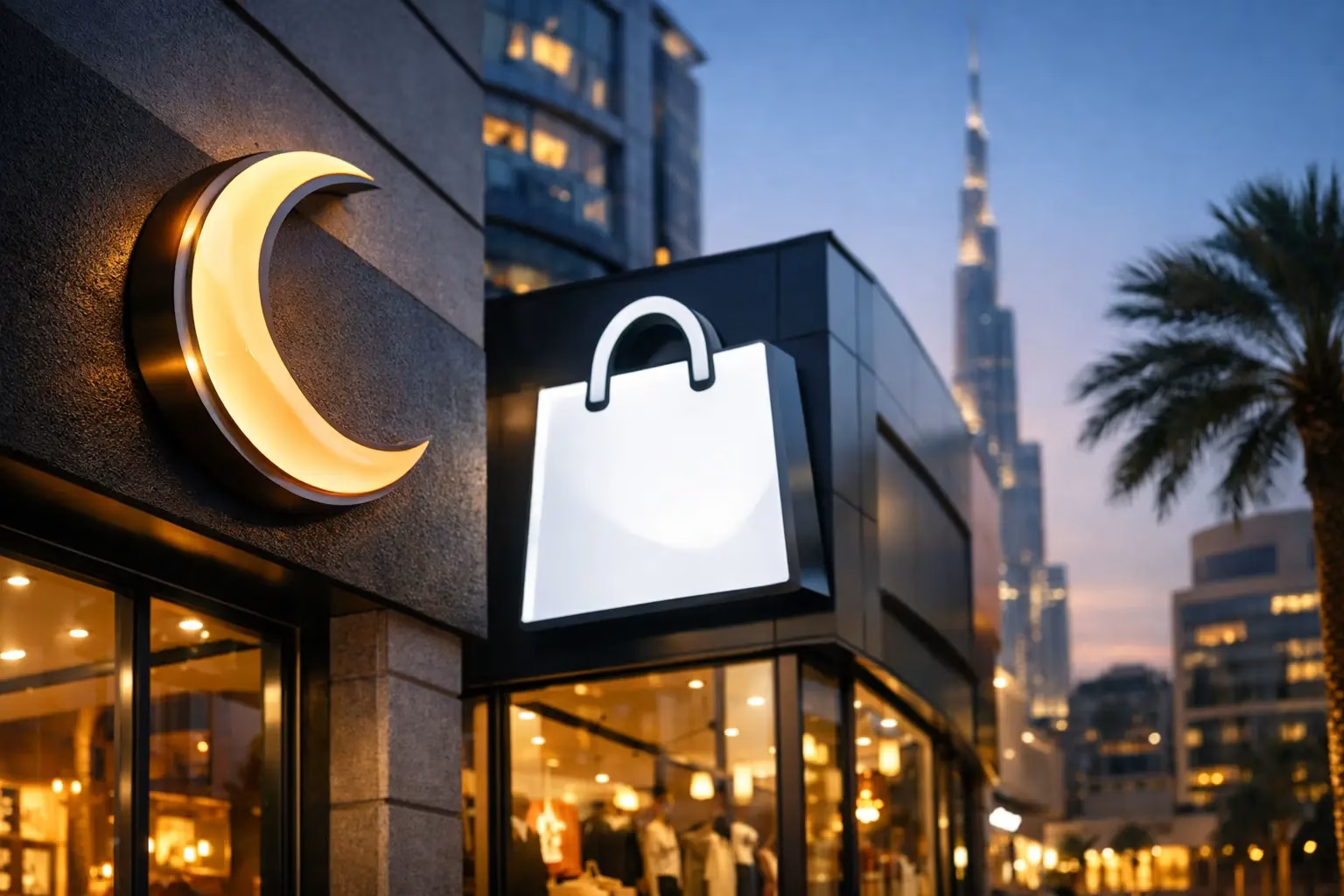
A storefront has only a few seconds to make its case. In a city of bright retail districts, busy roads, towers, and constantly changing displays, 3D signage Dubai businesses choose must do more than show a name. It needs to be clear from the right distance, match the brand, withstand the local environment, and look as good at night as it does during the day.
Three-dimensional letters and logos create that extra level of presence. They add shadows, depth, and material contrast that flat printed boards cannot always provide. For a retail opening, office reception, restaurant façade, property showroom, or exhibition stand, the right sign makes the business easier to find and easier to remember.
3D signage uses raised letters, logos, symbols, or shapes fixed to a wall, façade, backing panel, or freestanding structure. Depending on the application, the elements may be fabricated in acrylic, stainless steel, aluminum, PVC, metal, or a combination of materials. They can be unlit, internally illuminated, front-lit, backlit, or fitted with halo lighting.
The main advantage is visibility with character. A dimensional logo on a reception wall feels more established than a vinyl graphic. Channel letters above a storefront can remain readable in changing light. Backlit lettering can give a hospitality or premium retail brand a polished nighttime identity without making the façade feel crowded.
That does not mean 3D letters are automatically the best choice for every job. A temporary sale, a short event, or a campaign that changes every month may be better served by printed graphics or modular displays. Dimensional signage is strongest when the location, brand identity, and message are intended to last.
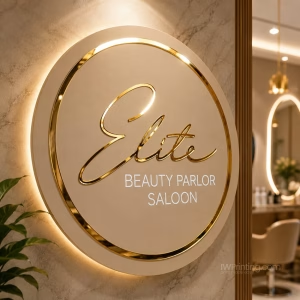
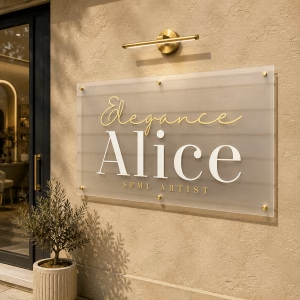

The best material and lighting method depend on where the sign will be installed, how far away it will be viewed, and what the brand needs to communicate. A sign that looks excellent in a close-up product photo may not be legible from across a parking area or a busy road.
Acrylic is a popular choice for office signs, reception logos, clinics, salons, retail interiors, and wall branding. It can be cut into precise shapes and supplied in solid colors, painted finishes, metallic effects, or layered combinations. Clear acrylic can also create a subtle floating look when fixed with spacers.
For indoor use, acrylic offers a strong balance of appearance, flexibility, and cost. Thickness matters here. Thin letters may suit small text and simple wall messaging, while thicker layers create a more noticeable shadow and premium finish for a logo or main business name.
Stainless steel, brushed metal, aluminum, and aluminum composite materials are often selected for corporate offices, hotels, real estate developments, restaurants, and exterior signs. Metal finishes communicate durability and quality, particularly when the brand uses clean typography and restrained colors.
Outdoor metal lettering should be specified carefully. Exposure to heat, dust, humidity, and cleaning routines affects both the finish and the fixing method. The right fabrication details help prevent staining, loose elements, or visible adhesive lines over time. For coastal or highly exposed locations, material selection deserves more attention than it would for a protected indoor wall.
Illuminated 3D letters are useful when a business trades into the evening or needs to stand out after sunset. Front-lit letters project light through the face of the letter. Backlit or halo-lit letters cast a glow onto the wall behind them. Front-and-back-lit options provide stronger impact but generally involve a higher budget and more complex installation.
Lighting should support legibility, not overpower it. White or warm-white illumination often works well for professional settings, while a controlled brand color can suit restaurants, entertainment venues, and retail concepts. The installation team should also consider cable routing, access for maintenance, electrical safety, and whether the wall surface can support the sign structure.
A beautiful logo file is not always ready for large-format fabrication. Fine lines, very small gaps, delicate typefaces, and close color contrasts can become difficult to produce or read when turned into physical letters. Good signage design accounts for fabrication from the start.
Letter height should be based on viewing distance. Reception signs can use finer details because visitors see them up close. Exterior storefront lettering needs bolder forms and more spacing, particularly when pedestrians or drivers are moving past the location. A design proof should show the actual scale, placement, lighting effect where applicable, and proposed materials before production begins.
Contrast is equally important. Dark letters on a dark cladding wall may disappear in daylight, even if they appear sophisticated in a mockup. A backlit sign on a textured wall can create uneven shadows. Sometimes the most effective solution is a simple backing panel that separates the logo from the surface and creates a clear visual field.
For brands with multiple locations, consistency matters as much as creativity. Set approved standards for logo proportions, letter depth, colors, lighting temperature, and placement. This makes reordering easier and helps customers recognize the business wherever they encounter it.
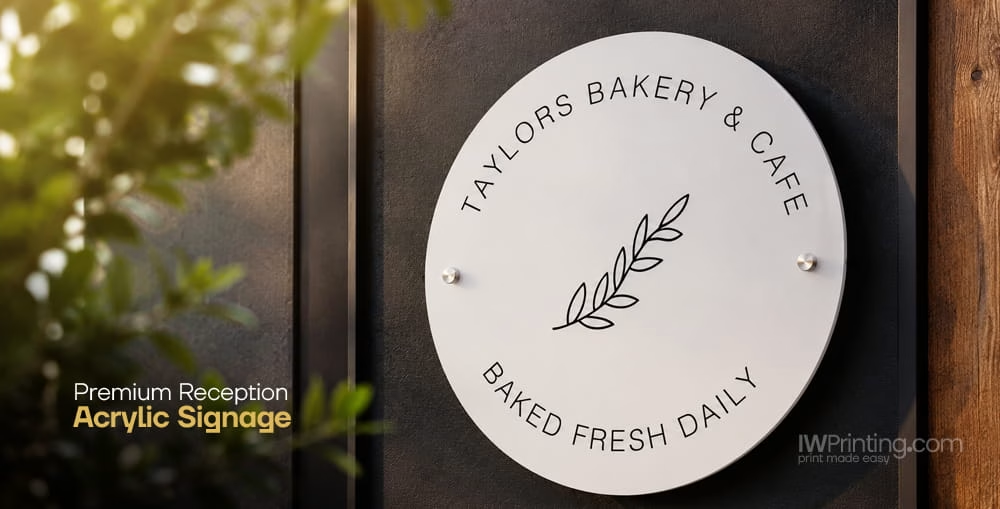
The wall, façade, or structure is part of the signage project. Concrete, glass, gypsum board, wood panels, cladding, and marble each require different mounting approaches. A site survey can identify electrical points, access restrictions, uneven surfaces, landlord requirements, and safety considerations before materials are cut.
This preparation protects both appearance and budget. For example, a backlit sign may require concealed wiring and access behind the wall. A large exterior logo may need a framework rather than direct fixing. On a glazed storefront, a raised sign may need to be paired with window graphics so customers can still identify the business from every angle.
Timing also matters. Retail fit-outs, office handovers, and event builds often have tight installation windows. Ordering early allows time for design approval, material preparation, fabrication, quality checks, and coordinated installation. Rushing a dimensional sign can lead to avoidable compromises in size, finish, or placement.
A clear brief speeds up quotation and avoids revisions. Provide the logo in a high-quality vector format where possible, the installation location, approximate dimensions, photos of the site, preferred colors, and whether lighting is required. Include the deadline and any building or mall approval requirements.
It also helps to explain the business outcome. Is the sign meant to attract walk-in traffic, guide visitors at reception, identify a new branch, or create a photo-worthy feature wall? The answer affects the recommended material, thickness, lighting, and installation method more than a simple request for “3D letters.”
IWPrinting.com supports businesses with design support, fabrication, production, and professional installation, helping turn an approved concept into signage that is practical for the site and consistent with the brand. A single production partner can be particularly useful when a project also requires window graphics, wall branding, directional signs, exhibition displays, or printed launch materials.
Even durable signs benefit from regular care. Indoor acrylic and metal letters usually need gentle dusting and non-abrasive cleaning. Outdoor signs should be checked periodically for dirt buildup, lighting performance, loose fittings, and surface wear. Avoid harsh chemicals that can dull acrylic, damage printed faces, or leave marks on coated metal.
If the business updates its logo, moves location, or adds new services, assess the full signage system rather than replacing one element in isolation. A refreshed main sign paired with outdated directions or window graphics can create an inconsistent customer experience.
The strongest sign is not necessarily the largest or brightest one. It is the one that fits the site, reads instantly, reflects the brand accurately, and remains dependable long after opening day. Start with the viewing distance and installation surface, then choose materials and lighting that give your name the presence it deserves.
Shopping bag Printing turns every purchase into brand exposure. Choose materials, sizes, finishes, and artwork that fit your product, budget, and customers.
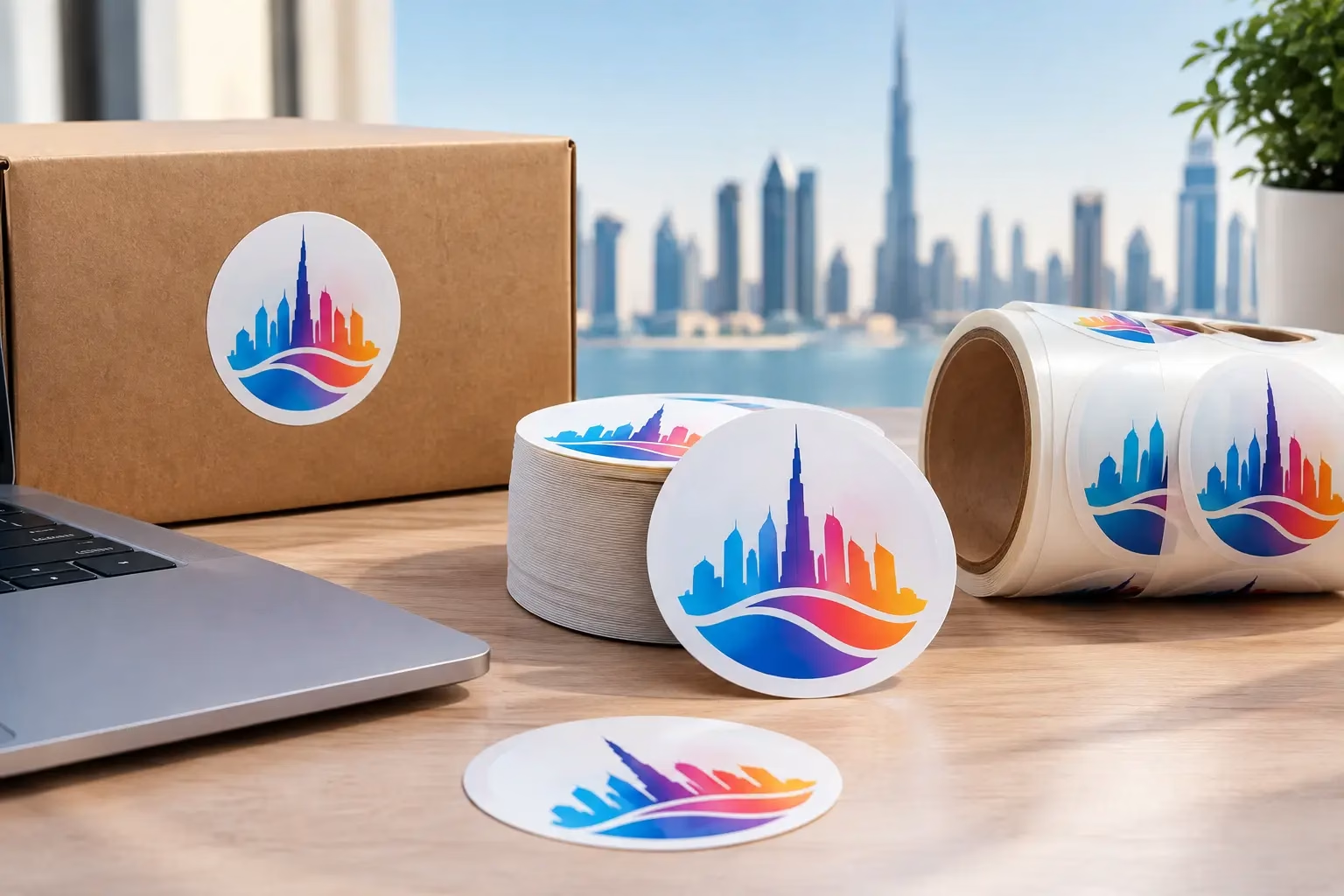
Get Round Sticker Printing in Dubai for product labels, events, and promotions. Choose durable materials, sharp color, custom sizes, and fast delivery.