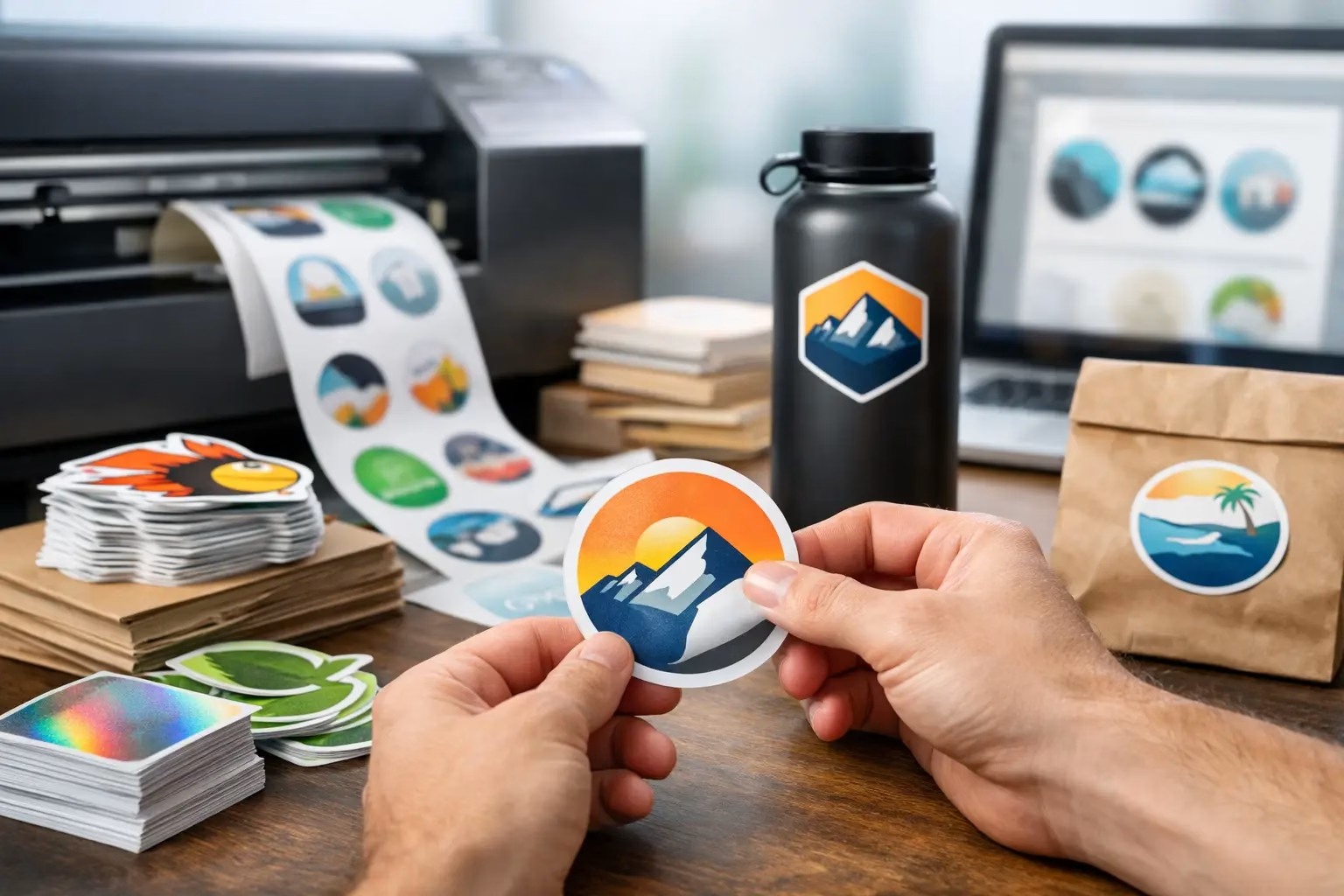
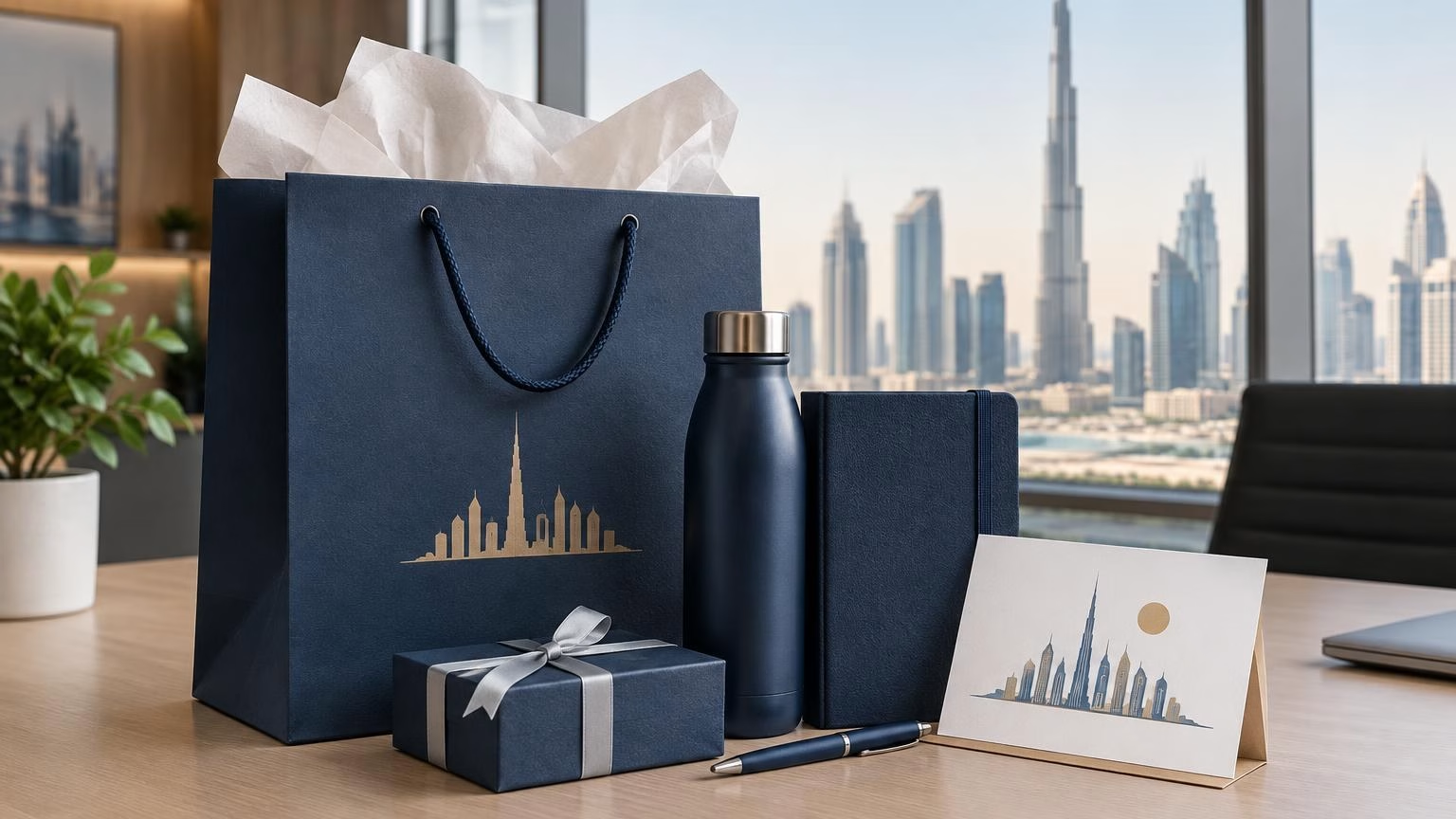
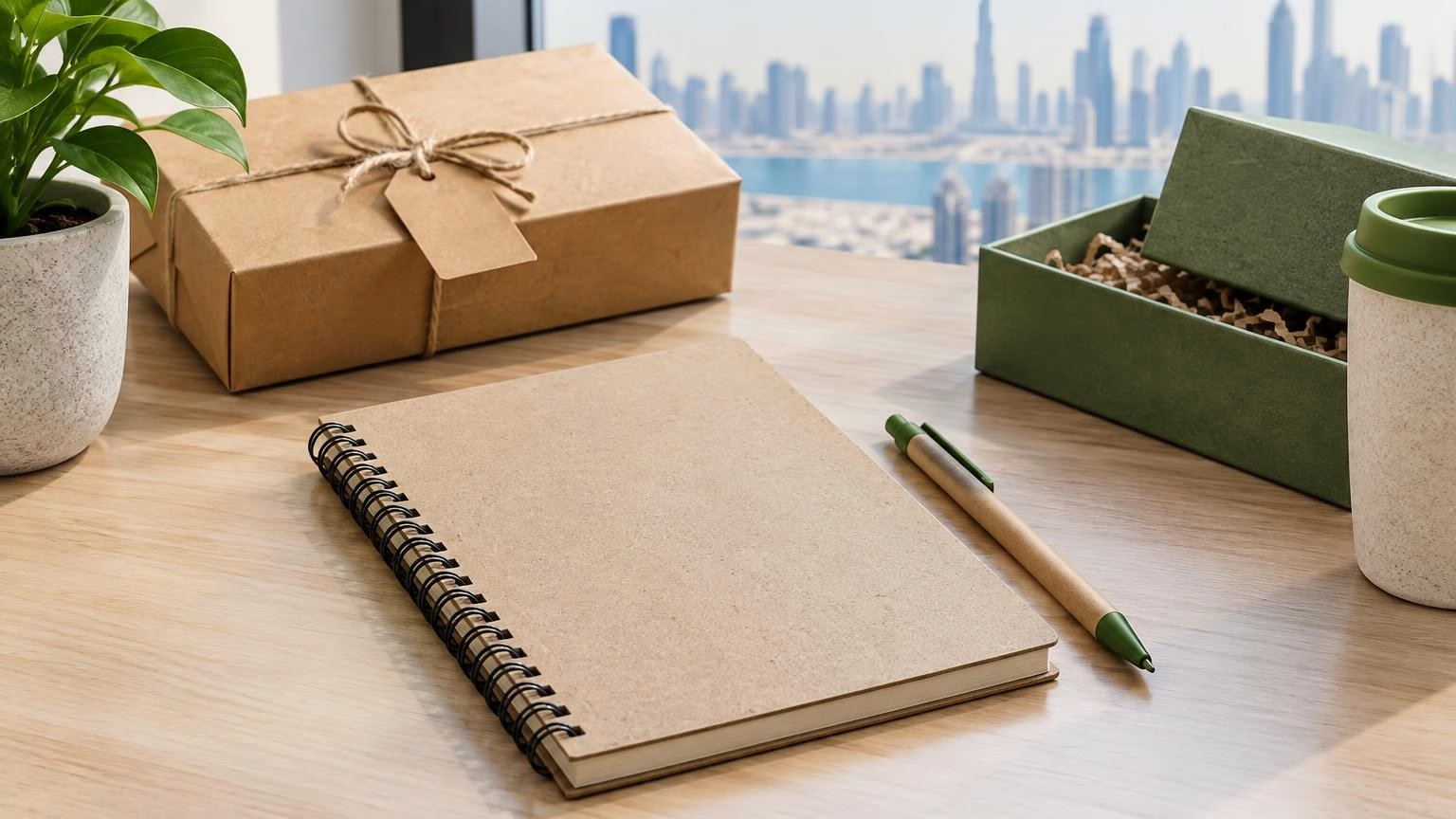
A sticker can be the first branded detail a customer notices on a product box, takeaway bag, envelope, display unit, or event giveaway. When done well, printing stickers turns an everyday surface into a clear brand touchpoint – without the cost or lead time of fully custom packaging.
For businesses, the goal is not simply to make a sticker look attractive. It is to choose a material, finish, size, and adhesive that performs in its real environment. A label on a chilled beverage, for example, needs a different solution from a promotional decal for a car window or a logo seal for a luxury gift box.
Why Printing Stickers Is a Smart Branding Choice
Stickers are one of the most flexible print products available. They can identify products, close packaging securely, communicate instructions, promote a limited-time offer, or give customers a small branded item they will actually keep. A retail brand may use them for price labels and window promotions, while a restaurant may need food packaging labels, delivery seals, and branded cups or bags.
They are also practical for growing businesses. Instead of ordering large volumes of pre-printed packaging, you can apply custom stickers to plain boxes, jars, bottles, pouches, folders, and shopping bags. This makes it easier to introduce new products, update messaging, test seasonal designs, or manage smaller batches without wasting old packaging stock.
For campaigns and events, stickers offer strong visibility at an accessible price point. A well-designed sticker can carry a logo, QR code, product message, event name, or contact details in a compact format. The best use depends on where it will be seen and how long it needs to last.
Choose the Sticker Material for the Job
The right material affects print appearance, adhesion, durability, and cost. Paper stickers are often the sensible choice for indoor use, short-term promotions, product seals, and standard packaging. They provide a clean printed finish and work well for logos, barcodes, ingredient labels, and campaign messaging.
Vinyl stickers are usually better for demanding applications. They are more resistant to water, scratches, and outdoor exposure, making them suitable for vehicle graphics, windows, equipment labels, outdoor promotions, and reusable branded decals. If a sticker will face moisture, heat, regular handling, or direct sunlight, vinyl is generally worth the additional investment.
Clear stickers create a more subtle, premium effect, especially on glass, acrylic, bottles, and colored packaging. They allow the surface beneath to remain visible, but they require thoughtful artwork. Light text or pale colors can disappear on a busy background, so a white ink layer or strong contrast may be needed for readability.
For premium products, specialty materials can add visual value. Metallic, textured, kraft-style, holographic, and removable options all create different impressions. These finishes should support the brand rather than distract from it. A luxury skincare label may benefit from a refined matte finish, while a youth-focused launch campaign may suit a bold holographic sticker.
Permanent, Removable, or Repositionable Adhesive?
Adhesive selection is easy to overlook, but it can determine whether the sticker succeeds. Permanent adhesive is the standard choice for product labels, packaging seals, and long-term branding. It is designed to stay in place once applied.
Removable adhesive is better for temporary promotions, rental equipment, glass surfaces, and retail campaigns where clean removal matters. Repositionable adhesive can help when labels need careful placement or may be moved during installation. Before placing a large order, consider the surface: cardboard, glass, plastic, painted metal, textured packaging, and fabric-like materials can all react differently.
Size, Shape, and Finish Affect More Than Appearance
A sticker should fit the surface with enough space around it to look intentional. A label that is too small can be missed, while one that is too large can wrinkle around curves, cover useful product information, or overwhelm the packaging. Measure the application area before approving artwork, especially for bottles, jars, pouches, caps, and boxes with folds or seams.
Standard shapes such as circles, rectangles, squares, and ovals are efficient and versatile. They work well for most packaging, mailing, and promotional uses. Custom die-cut stickers follow the outline of your design and can create a more distinctive result. A mascot, product silhouette, or logo shape becomes more memorable when the sticker itself has that form.
Finish also changes how customers perceive the brand. Gloss lamination makes colors appear brighter and offers added protection, which is useful for promotional decals and products handled frequently. Matte lamination has a smoother, more understated appearance and can reduce glare. It often suits premium packaging, corporate branding, and labels with small text that must remain comfortable to read.
The practical trade-off is simple: decorative finishes can improve impact, but they may not be necessary for every application. For high-volume shipping labels or temporary campaign stickers, a straightforward paper option may deliver better value. For customer-facing packaging or outdoor use, durability and finish deserve more attention.
Prepare Artwork That Prints Clearly
Great sticker printing begins with production-ready artwork. Low-resolution logos copied from a website, screenshots, and compressed images can look blurred or pixelated when printed. Vector files are preferred for logos and line artwork because they stay sharp at different sizes. For photographic designs, use high-resolution files sized for the final print dimensions.
Keep essential text, logos, QR codes, and contact information away from the outer edge. This safe area protects important details from being affected by trimming tolerances. If your design includes a background color or image extending to the edge, add bleed so the finished sticker does not show an unintended white border.
Small text deserves special attention. Fine type may look readable on a screen but become difficult to read on a small round label or glossy surface. Use clear fonts, sensible spacing, and sufficient contrast between text and background. For QR codes, test the code from a printed proof or sample at the intended size before committing to a full run.
Color expectations should also be realistic. A bright color viewed on a backlit monitor can look different in print, and the material itself can influence the result. Matte, gloss, clear film, kraft paper, and metallic substrates all change how ink appears. A professional proofing process helps prevent costly surprises, particularly when brand colors need close consistency across packaging, signage, and marketing materials.
Order Quantities That Match Your Business Need
Sticker quantities should reflect how quickly your product range, offer, or branding may change. Short runs make sense for product trials, new menu items, event promotions, seasonal packaging, and startup launches. They reduce the risk of holding labels that become outdated after a price change, ingredient update, rebrand, or campaign adjustment.
Larger quantities are usually more cost-effective for established products with steady demand. If you use the same label across hundreds or thousands of packages each month, ordering in volume can lower the unit cost and simplify reordering. The best approach is often a combination: keep core brand labels in larger quantities and run campaign-specific designs in smaller batches.
Plan for operational use, not just the initial launch. Consider labeling errors, damaged stock, product samples, internal approvals, and extra inventory for busy periods. Ordering too close to a launch date leaves little room for artwork changes or production checks.
Common Sticker Printing Uses for Businesses
Businesses use stickers in many places customers may not consciously notice, yet these details build recognition over time. Common applications include:
- Product labels for bottles, jars, boxes, pouches, and retail items
- Packaging seals for delivery bags, tissue paper, gift boxes, and shipping cartons
- Promotional decals for windows, counters, laptops, and event materials
- Barcode, batch, safety, instruction, and inventory labels
- Branded giveaways for trade shows, school events, launches, and community campaigns
The strongest sticker programs are consistent with the rest of the brand. Use the same logo treatment, colors, tone, and key message seen on your business cards, packaging, signage, and exhibition materials. Consistency makes even a small label feel like part of a larger, well-managed business.
Get Better Results From Printing Stickers
Before ordering, define where the sticker will be applied, how long it must last, and what action you want the customer to take. A packaging seal may only need to look polished for one delivery journey. A vehicle decal needs weather resistance and stronger adhesion. A QR-code sticker needs clear scanability above all else.
IWPrinting.com can help businesses select practical sticker options for packaging, retail, events, promotions, and branded products, with professional production and reliable delivery. A clear brief, accurate artwork, and the right material will save time at every stage.
Treat each sticker as a small piece of your customer experience. When it is easy to read, properly finished, and built for its surface, it keeps your brand looking prepared long after the first impression.