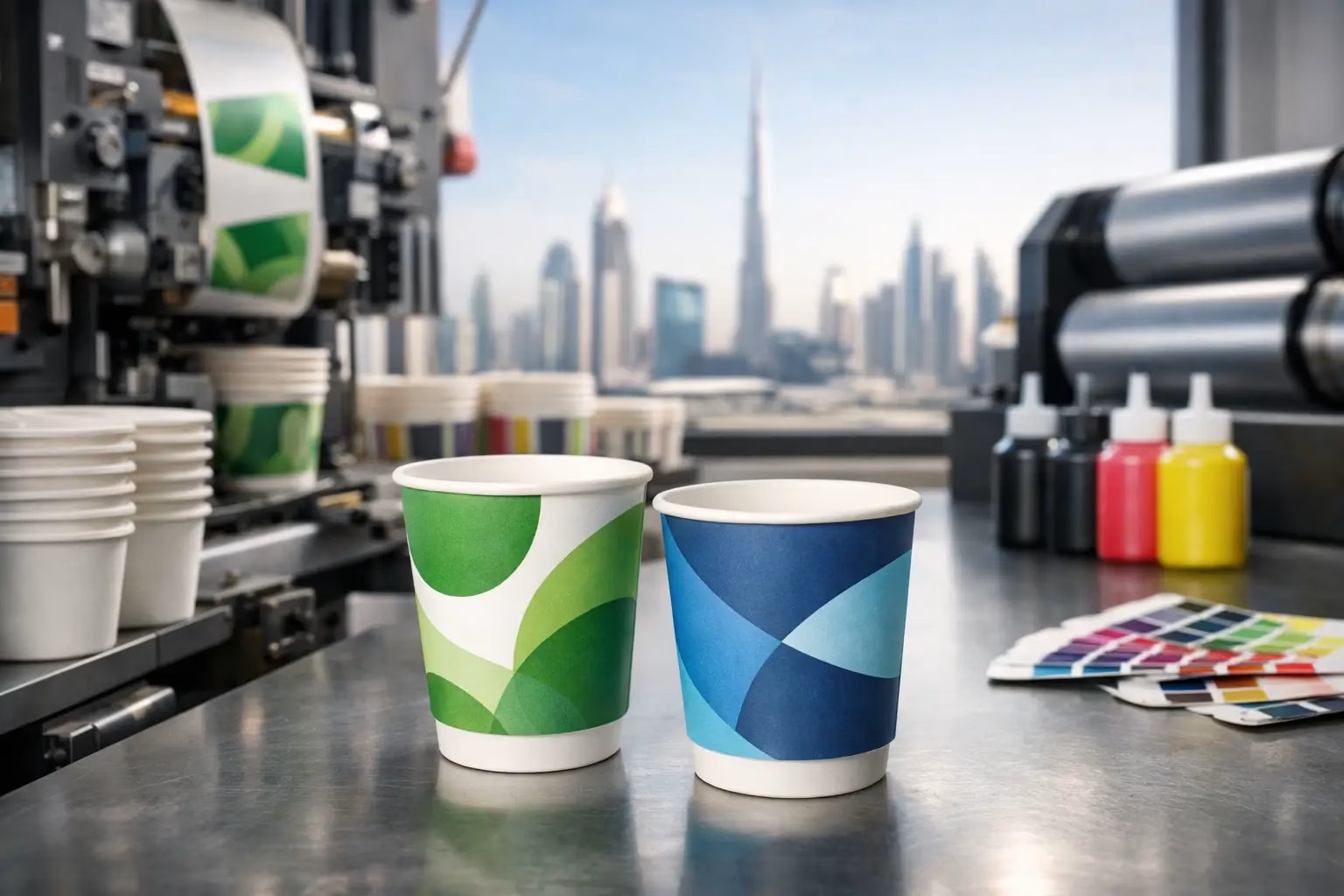
A hot drink cup is one of the few branded items a customer holds for several minutes. That makes double wall paper cup printing in Dubai more than a packaging choice for cafés, restaurants, offices, and event teams. It is a practical way to put your logo, colors, campaign message, or social identity directly into the customer experience while keeping hot beverages comfortable to carry.
For a takeaway coffee counter, the right cup has to do two jobs at once: protect hands from heat and represent the business professionally. A sharp print, suitable cup size, and reliable construction can make even a quick coffee order feel considered. The wrong choices can lead to weak branding, artwork that is hard to read, unnecessary sleeve costs, or cups that do not suit the drinks you actually serve.
Why Double Wall Cups Work for Hot Beverage Brands
A double wall paper cup has two paper layers. The inner cup holds the drink, while the outer layer provides added insulation. This structure gives the cup a firmer feel and reduces the heat transferred to the customer’s hand compared with a standard single wall paper cup.
That extra layer is especially useful for espresso-based drinks, tea, hot chocolate, karak, and other beverages served hot. Many businesses choose double wall cups because they can often avoid a separate cup sleeve. The result is a cleaner counter setup, fewer loose packaging items, and a more polished presentation.
The trade-off is cost. Double wall cups use more material and generally cost more per unit than single wall cups. They are best suited to businesses where comfort, premium presentation, and repeat customer recognition matter. For large-scale sampling, cold drinks, or tightly controlled promotional budgets, a single wall cup may be the more economical option.
Choosing the Right Cup Size and Format
Cup size should follow your menu, not just the look of the product. Ordering one versatile size can simplify stock management, but it may not suit every beverage. A small cup can make a standard latte feel overfilled, while an oversized cup can make a short coffee look poorly portioned.
Common hot cup capacities include 4 oz for tasting portions or small espresso drinks, 8 oz for tea and regular coffees, 12 oz for medium takeaway drinks, and 16 oz for larger coffees and specialty beverages. Your lid must match the cup rim, so confirm cup and lid compatibility before approving production.
Consider how customers will use the cup as well. A hotel breakfast station may need a refined, compact cup for coffee service. A busy delivery kitchen may prioritize secure lids and sizes that fit common drink carriers. A corporate event may need a medium-size cup that works across tea, coffee, and hot chocolate without creating several separate inventory lines.
Double Wall Paper Cup Printing in Dubai: What to Customize
The printable outer surface offers valuable branding space, but the strongest cup designs are rarely the busiest. Customers view a cup quickly, often while walking, driving, or waiting for an order. A clear logo, one recognizable brand color, and a simple supporting message usually work better than a crowded layout full of small text.
Start with the elements customers should recognize at a glance: your logo, business name, and signature colors. If your brand has a short line or campaign phrase, it can be included where it remains readable. QR codes, social media handles, and promotional offers can work well, but only if there is enough clear space around them for scanning and reading.
Full-color printing is a strong option for brands that use illustrations, gradients, photography-style graphics, or multiple colors. Simpler one-color or two-color artwork can be highly effective too, particularly for cafés, corporate catering teams, and hospitality businesses with a clean visual identity. Fewer colors may also support a more budget-conscious order, depending on the printing method, quantity, and design requirements.
Avoid placing critical text too close to the top rim or bottom of the cup. Those areas may be affected by the cup shape, lid fit, or production tolerances. A professional artwork check helps ensure logos are positioned correctly and colors remain consistent across the order.
Prepare Artwork That Prints Cleanly
For best results, supply your logo in a high-resolution vector format such as AI, EPS, or print-ready PDF where available. Vector files keep logos and typography crisp when sized for the cup template. If you only have a PNG or JPEG, use the highest-resolution original file rather than a screenshot or image taken from a website.
Your artwork should use CMYK color values for commercial print rather than relying only on RGB screen colors. Brand colors can appear different on paper than on a phone or monitor, especially bright blues, deep blacks, and vivid reds. If color matching is critical for a franchise, retail rollout, or brand launch, discuss the expected finish and proofing process before final approval.
Materials, Food Safety, and Practical Use
Paper cups designed for beverages include a barrier layer that helps contain liquids. The exact construction can vary by product, supplier, beverage temperature, and disposal requirements, so it is worth discussing your intended use before ordering. Tell your printing partner whether the cups are for hot drinks, cold drinks, short service periods, or takeaway delivery.
Printing is normally applied to the exterior branding surface, not the drink-contact area. This distinction matters when planning artwork and selecting production specifications. Food-service packaging should be produced with suitable materials and processes for its intended purpose, and businesses should request clear specifications where their internal procurement or compliance requirements call for them.
Sustainability is also a purchasing consideration, but claims should be specific. A paper-based cup is not automatically recyclable or compostable in every local waste stream. Coatings, lids, local collection systems, and disposal facilities all affect the outcome. If your business plans to communicate an environmental claim on the cup, confirm that the product specifications support that statement.
Quantities, Pricing, and Reordering
Custom cup printing is most cost-effective when the order quantity matches regular demand. Short runs can be useful for an opening event, limited campaign, or seasonal promotion, but setup costs may make the per-cup price higher. Larger orders typically bring the unit cost down and give established businesses better value over time.
Before requesting a quotation, prepare the cup size, estimated quantity, number of artwork versions, preferred print colors, lid requirement, and delivery location. These details make pricing more accurate and prevent avoidable delays. If you operate several branches, ask about split delivery and whether a single design can be supplied in multiple cup sizes.
Reordering becomes easier when artwork, dimensions, and approved specifications are recorded properly. This is particularly valuable for cafés, office pantry suppliers, hotel groups, and event agencies that need consistent branding across multiple activations. Keeping an approved production file also reduces the risk of last-minute artwork changes when stock runs low.
When Custom Cups Make the Biggest Difference
Custom double wall cups are a strong fit when the beverage itself is part of the brand experience. Independent coffee shops can build recognition in busy commercial areas. Restaurants can add a professional touch to hot drink delivery. Property launches, exhibitions, university events, and internal company gatherings can turn an everyday refreshment station into a visible branded touchpoint.
They are also useful for temporary campaigns. A Ramadan menu, holiday beverage offer, store opening, product launch, or sponsorship event may justify a custom design that creates urgency and gives guests something memorable to carry. For short campaigns, keep the message direct and ensure the design still feels connected to your core brand.
For ongoing operations, the best design is one that will still look right six months from now. Trend-led graphics can be effective, but a recognizable logo-led cup is easier to reorder, less likely to date quickly, and more flexible across locations and menus.
A Better Way to Plan Your Cup Order
Start by looking at a real service period. Count which drinks sell, note the sizes customers choose, and see whether staff currently use sleeves or struggle with mismatched lids. This gives you a better brief than selecting a cup only from a product image.
Then choose a design that works at arm’s length, confirm the technical specifications, and order enough stock to gain sensible value without overcommitting to an outdated menu or campaign. IWPrinting.com can support businesses with customized cup printing, artwork guidance, production coordination, and dependable delivery for branded packaging projects.
A well-printed double wall cup will not replace great coffee or reliable service, but it can make both more memorable. When every takeaway drink leaves with clear, consistent branding, the cup keeps working long after it leaves your counter.