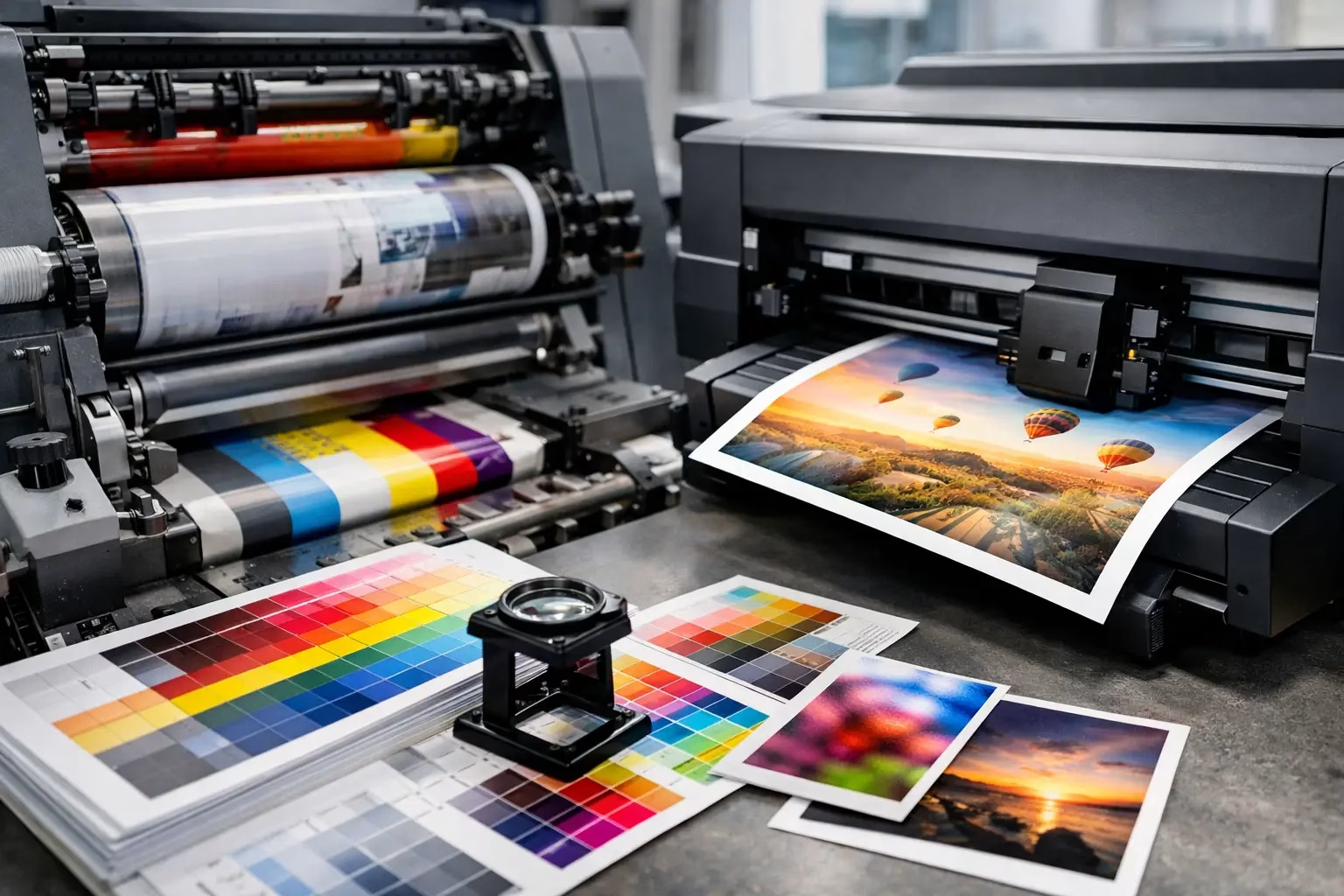
A 500-piece brochure order and a 50,000-piece catalog order may use the same artwork, but they should not automatically use the same production method. Choosing between offset printing versus digital printing affects your unit cost, delivery schedule, paper options, color expectations, and ability to personalize every piece. The best choice is the one that supports the job you need now, rather than the one that sounds more premium on paper.
Offset Printing Versus Digital Printing: The Core Difference
Offset printing transfers ink from metal plates to a rubber blanket and then onto paper or another print surface. It takes longer to prepare because each color and layout must be set up before the press runs. Once production begins, however, offset is highly efficient for large quantities and repeat orders.
Digital printing sends the artwork directly from a digital file to the press. There are no printing plates, so setup is fast and smaller quantities become practical. It is an excellent option when a business needs short-run flyers, presentation folders, business cards, event materials, or updated marketing pieces without waiting for a lengthy press setup.
Neither process is universally better. Offset is built for scale and precise consistency. Digital is built for speed, flexibility, and economical short runs.
When Offset Printing Makes Better Business Sense
Offset printing is usually the stronger option when quantity is high. The initial setup cost is higher because plates, press preparation, and color calibration take time. But that setup cost is spread over thousands of copies, reducing the price per piece as the order grows.
A company printing 20,000 product catalogs, annual reports, direct-mail inserts, branded envelopes, or retail leaflets can often achieve better value with offset. The process is also well suited to jobs where a particular paper stock, coating, or color specification matters. Offset presses can work with a broad range of uncoated, coated, textured, and specialty papers, giving brands more freedom to create a premium feel.
Color control is another reason to choose offset. Standard full-color jobs use CMYK inks, but offset can also use Pantone spot colors. This is valuable for organizations with strict brand standards, such as a specific corporate blue, metallic accent, or fluorescent color that must remain consistent across a major campaign.
Offset printing strengths
Offset is especially effective for large-volume print runs, color-critical brand materials, and projects requiring specialty inks or unusual paper stocks. It can produce exceptionally sharp images, smooth color transitions, and a polished finish on jobs where there is enough volume to justify the setup.
The trade-off is time. Offset projects generally require more advance planning, and late artwork changes can create added cost or delay. It is not the ideal route for a small batch needed tomorrow morning.
When Digital Printing Is the Smarter Choice
Digital printing is designed for urgency and adaptability. Because files go directly to production, there is no plate-making stage. That means a business can order smaller quantities without paying a large setup charge, making it a practical choice for startups, seasonal promotions, training materials, and event collateral.
If you need 100 menus for a restaurant launch, 250 company profiles for a sales meeting, or 500 flyers for a weekend activation, digital printing is often the most efficient solution. It also makes reordering simple. Instead of storing excess printed stock that may become outdated, you can print what you need and place another order when your details, pricing, or campaign message changes.
Variable data printing is one of digital printing’s biggest commercial advantages. Each printed item can carry different information without stopping the press. A real estate campaign, for example, can include a different property image, agent name, QR code, or neighborhood message on each version. Personalized invitations, numbered certificates, targeted mailers, and customized gift vouchers are all natural digital applications.
Digital printing strengths
Digital printing supports fast turnaround, low minimum quantities, easy artwork updates, and personalization. It is often the right fit for business cards, short-run brochures, invitations, certificates, small-format posters, labels, and on-demand marketing materials.
The unit price may remain relatively stable as quantities rise. At a certain volume, an offset run may become less expensive per piece. Digital paper and finishing options are also extensive, but a specific specialty stock or Pantone color requirement may point the project toward offset instead.
Cost: Look Beyond the Total Quote
The lowest total order value is not always the lowest-cost decision. A digital run can be more affordable for 200 brochures because there are no plates and minimal setup. For 10,000 brochures, offset may deliver a better cost per copy, even though the total invoice is higher because you are buying far more pieces.
Stock management matters as well. Ordering 15,000 outdated brochures simply because the per-unit cost looks attractive can create waste. If your service list, team members, pricing, or contact details change frequently, smaller digital runs may protect your budget better than a large offset order.
Ask a practical question: how many pieces will you realistically use before the information becomes old? That answer often matters more than chasing the lowest per-piece figure.
Quality, Color, and Materials
Modern digital presses produce professional, high-quality results for most everyday commercial print products. Text is sharp, images are vibrant, and finished pieces can represent a brand confidently at meetings, retail counters, and events. For many customers, the difference between high-quality digital and offset output is not noticeable without close comparison.
Offset remains valuable where exact color matching, very fine image detail, large solid color areas, or premium paper selection are central to the result. It is also a strong choice when a brand needs a consistent appearance across a long production run and future reprints.
Paper selection can change the recommendation. A smooth coated stock may suit a bright product flyer, while a thick uncoated stock can give premium business stationery a more tactile, professional feel. Finishes such as lamination, spot UV, embossing, die-cutting, and foil stamping can enhance either type of project, depending on the material and production requirements. The printing process should be selected alongside the stock and finishing plan, not as a separate decision.
Lead Time and Artwork Changes
For deadline-driven projects, digital printing has a clear advantage. It can move quickly from approved artwork to production, especially for standard business materials. This makes it useful for last-minute exhibitions, staff onboarding packs, new store openings, and campaign updates.
Offset requires more lead time, but that planning can pay off for large campaigns. Artwork should be fully approved before plates are created, and brand colors should be specified clearly. If you expect several revisions, finalize content first, then move into offset production once the artwork is stable.
A print-ready file helps both methods deliver better results. Use the correct final size, include bleed where needed, keep images high resolution, and check spelling, phone numbers, and QR codes carefully. A professional proofing step is particularly worthwhile for large offset runs, where a small error can be repeated thousands of times.
A Practical Way to Choose Your Print Method
Start with quantity, deadline, and how stable your artwork is. For a short run, rapid delivery, or personalized campaign, digital printing is normally the sensible starting point. For a large run with fixed artwork, detailed brand-color needs, or specialized paper requirements, offset printing may offer stronger value and control.
Consider these typical scenarios. A startup ordering 250 business cards and 100 presentation folders will usually benefit from digital. A retailer producing 30,000 promotional leaflets for a nationwide campaign may benefit from offset. A hotel updating menus across several locations might choose digital if offerings change regularly, while a yearly corporate publication may be better suited to offset.
The right answer can also be a combination. A business may use offset for its main catalog, then use digital for localized inserts, personalized covers, price updates, or smaller follow-up batches. This approach keeps the core campaign cost-effective while preserving flexibility where it matters.
A reliable print partner should help you compare the real requirements instead of pushing one method for every order. At IWPrinting.com, the goal is straightforward: recommend a production route that delivers professional results, fits your budget, and arrives when your business needs it. Bring the quantity, deadline, and intended use to the conversation, and the right print method becomes much easier to choose.