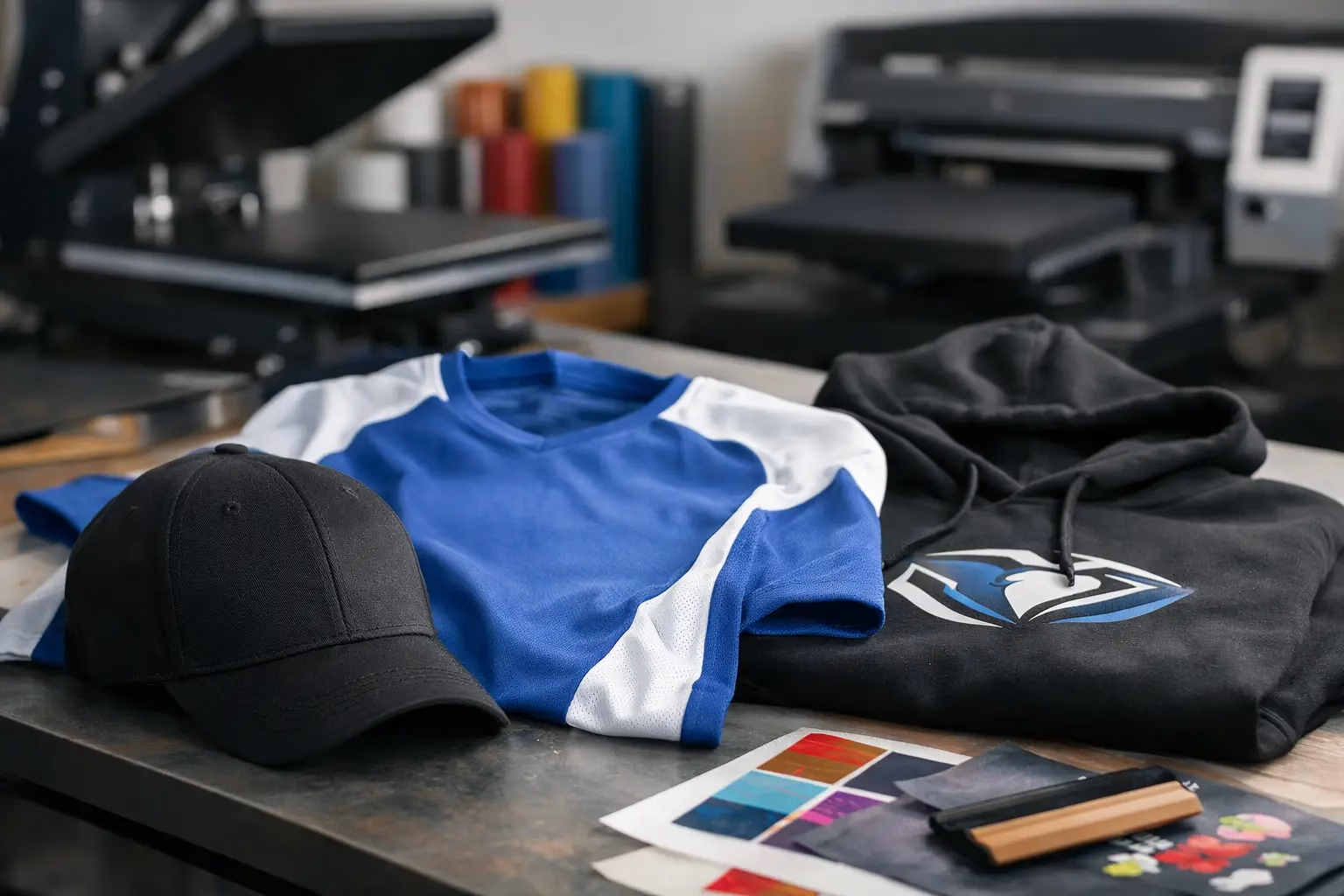
A staff uniform should still look sharp after a busy shift. A team jersey needs names and numbers that stay clear through repeated washing. A promotional cap has to make a logo recognizable from across a room. That is why cap, jersey, hoodie & sportswear printing is more than placing artwork on fabric. The garment, decoration method, color choice, and intended use all affect the final result.
For businesses, schools, sports clubs, event organizers, and growing brands, custom apparel turns everyday clothing into a practical branding tool. It creates a consistent team image, gives customers a memorable takeaway, and helps campaign messages travel beyond an event venue or store.
Cap, Jersey, Hoodie & Sportswear Printing for Every Use
The right product starts with the job it needs to do. A lightweight performance jersey suits a football tournament or company sports day, while a heavier cotton-blend hoodie is better for employee uniforms, retail merchandise, campus groups, and outdoor promotional teams. Caps work well for hospitality staff, delivery teams, construction projects, product launches, and corporate gifts because they are useful, visible, and easy to distribute.
Consider where and how the item will be worn. Staff working outdoors may need breathable, moisture-wicking shirts and caps with a structured brim. An event crew may benefit from high-visibility colors, large back prints, and clear role labels such as STAFF, SECURITY, or ORGANIZER. For premium retail merchandise, fit, fabric weight, print placement, and finishing details matter as much as the logo itself.
A practical apparel order often includes more than one garment. For example, a sports academy might choose player jerseys, coach polos, caps for volunteers, and hoodies for supporters. Ordering these items as one coordinated set helps maintain consistent brand colors, typography, and logo presentation.
Choose the Right Print Method for the Garment
There is no single best printing method for every cap, jersey, hoodie, or sportswear order. The best option depends on artwork, fabric, quantity, budget, and expected wear. A simple one-color logo on 200 cotton T-shirts has different production needs than individually numbered polyester jerseys.
Screen Printing for Bold, Repeatable Designs
Screen printing is a strong choice for larger quantities with simple artwork, especially solid-color logos, event shirts, team wear, and promotional hoodies. It produces vibrant color and a durable finish when matched to the garment fabric correctly. Because setup is involved, it is generally more cost-effective as quantities increase.
This method is ideal when every item carries the same design. However, it is less practical for variable details such as different player names, employee names, or individual numbers.
Heat Transfer for Names, Numbers, and Small Runs
Heat transfer is often the practical option for personalized jerseys, sportswear, and short-run apparel. It allows individual names, numbers, and role titles to be applied without changing the main artwork setup. It can also reproduce full-color designs with fine detail.
The trade-off is feel. Depending on the transfer material and design size, the printed area can feel more noticeable than a direct print. For activewear, a skilled production team will recommend an appropriate film and application method so the print adheres properly and maintains flexibility.
Embroidery for Premium Caps and Uniforms
Embroidery gives caps, polos, jackets, and selected hoodies a raised, professional finish. It is especially effective for corporate logos with bold shapes and limited detail. A clean embroidered logo on a cap can add a polished look to staff uniforms, executive gifts, and hospitality apparel.
Very small text, color gradients, and intricate artwork may not translate well into stitching. In those cases, a printed patch or an alternative decoration method may deliver a clearer result. It depends on the logo, not just the garment.
Direct-to-Garment and Specialty Options
Direct-to-garment printing can work well for detailed, full-color artwork on suitable cotton garments, particularly for smaller orders or creative merchandise. Specialty finishes, patches, reflective elements, and raised effects can also add impact when they serve a clear purpose.
A reflective print makes sense for safety-conscious outdoor teams. A printed neck label can strengthen a retail clothing line. These details should support the use of the garment rather than add unnecessary cost.
Start With Artwork That Prints Clearly
A great logo file can prevent delays and disappointing results. Vector artwork is preferred for logos because it stays sharp when resized. Common vector formats include AI, EPS, SVG, and print-ready PDF files. High-resolution PNG files can be suitable for some full-color designs, but screenshots and low-quality images usually produce soft edges and poor print detail.
Keep small text realistic. What looks readable on a computer screen may be too fine for embroidery or difficult to see on a cap. If your logo includes a tagline, it may be better to place it on the back of a hoodie or jersey rather than compress it into a small chest or front-cap position.
Color also needs practical attention. A dark logo may disappear on a navy hoodie, while a bright print can lose impact on a fluorescent sports jersey. Contrast is usually more valuable than trying to match every brand color exactly. For teams and organizations with strict identity guidelines, provide approved color references before production begins.
Request a digital artwork proof before confirming the order. It should show garment color, print positions, approximate print size, names or numbers where applicable, and spelling. Checking this stage carefully is faster and more affordable than correcting finished items.
Garment Quality Changes the Result
A low-cost garment can be suitable for a one-day giveaway, but it may not be the right choice for uniforms worn several times a week. Fabric weight, stitching quality, shrinkage, colorfastness, and fit can all affect whether people continue wearing the item.
For hoodies and casual branded apparel, cotton and cotton-blend fabrics offer comfort and a familiar feel. For jerseys and athletic wear, polyester performance fabrics are usually preferred because they are lightweight and designed to manage moisture. Caps come in many constructions, including structured, unstructured, trucker, five-panel, and curved-brim styles. The shape influences both comfort and the available area for decoration.
Sizing deserves equal attention. Collect sizes before production rather than estimating where possible. For uniforms, include a sensible range from smaller to extended sizes. For event merchandise, an assortment based on expected attendees can work, but ordering too heavily in one size creates avoidable leftover stock.
Plan Print Placement Around Visibility
Front chest, full back, left sleeve, and cap front are familiar choices because they work. A small left-chest logo gives uniforms a clean corporate appearance, while a large back print is easier to identify from a distance. Jerseys usually need a front logo or team name, a prominent back number, and optional player names.
Avoid treating every available area as advertising space. A hoodie covered in graphics may suit a streetwear campaign, but it can look busy for a professional service team. The right balance depends on the audience. A restaurant may want subtle embroidered caps and polos, while a fitness event may benefit from energetic, high-contrast graphics.
For multi-location teams, standardize placements and sizes. This makes future reorders easier and protects brand consistency as the organization grows.
Order With Production and Delivery in Mind
Custom apparel needs enough lead time for artwork approval, garment sourcing, printing, quality checks, packing, and delivery. Rush orders may be possible, but choice of colors, sizes, and decoration methods can become more limited. Planning ahead gives you more control over cost and finish.
Share the essentials when requesting a quote: garment type, quantity, colors, sizes, artwork, print locations, personalization requirements, and required delivery date. Clear information makes quoting faster and reduces revisions. If you need help choosing between embroidered caps, printed jerseys, or branded hoodies, a professional consultation can prevent expensive mismatches between the product and its purpose.
IWPrinting.com supports custom apparel projects alongside wider branding needs, making it easier to coordinate printed uniforms with event signage, promotional gifts, exhibition displays, and campaign materials.
Help Printed Apparel Last Longer
The care label matters. In general, washing garments inside out in cold or warm water, avoiding harsh bleach, and using lower drying temperatures helps preserve printed areas. Ironing directly over a print or transfer can damage it, so garments should be turned inside out or protected with a cloth.
For uniforms and sports kits, ordering a small number of spare garments is often worthwhile. New employees join, players change numbers, and replacement items may be needed quickly. Keeping approved artwork and production specifications on file also makes reordering straightforward.
The strongest custom apparel does a practical job first: it keeps a team comfortable, identifies the people customers need to find, or gives supporters something they genuinely want to wear. When that purpose is clear, the right cap, jersey, hoodie, or sportswear print becomes an easy decision rather than a complicated one.