
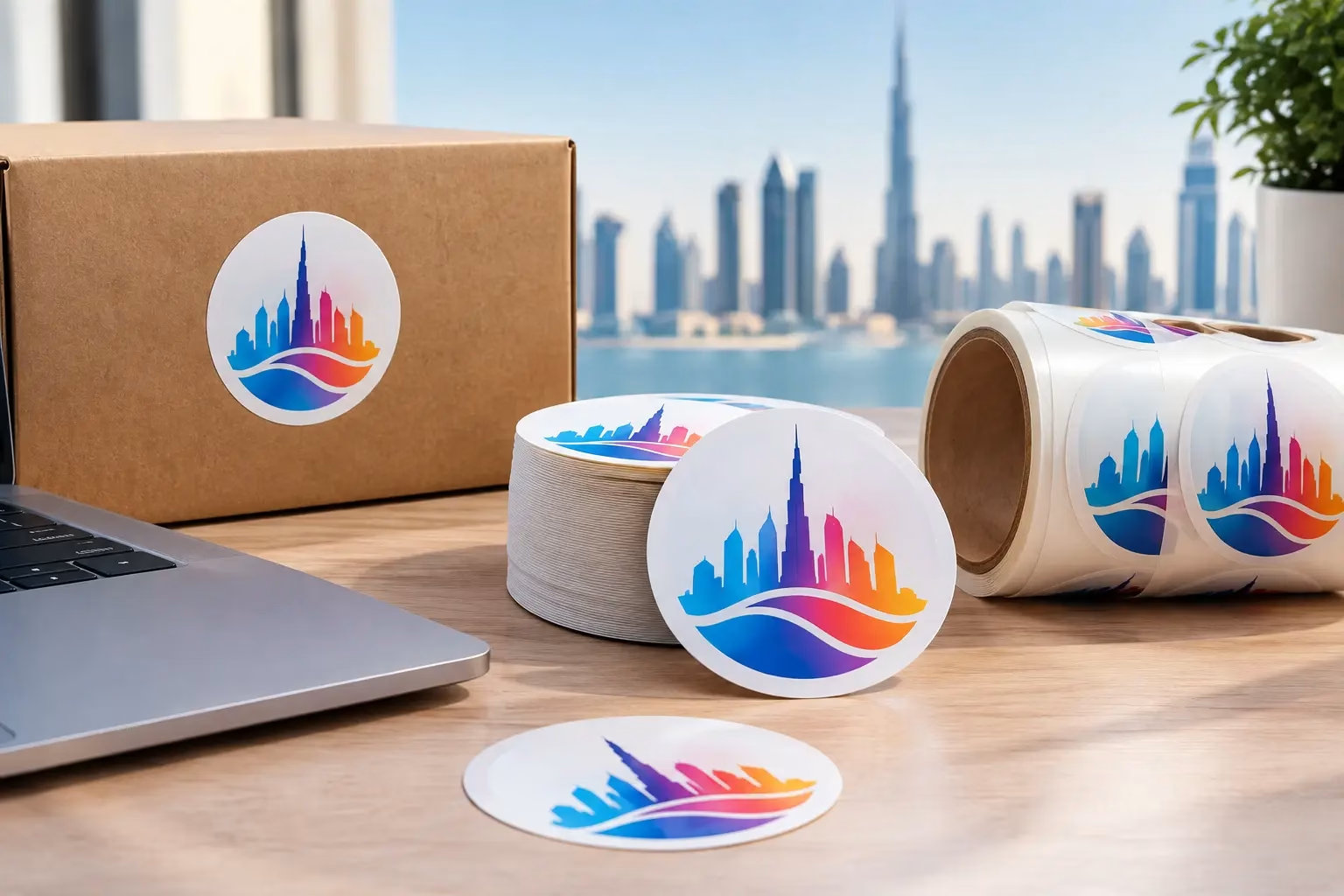
Round Sticker Printing in Dubai for Better Branding
Get Round Sticker Printing in Dubai for product labels, events, and promotions. Choose durable materials, sharp color, custom sizes, and fast delivery.
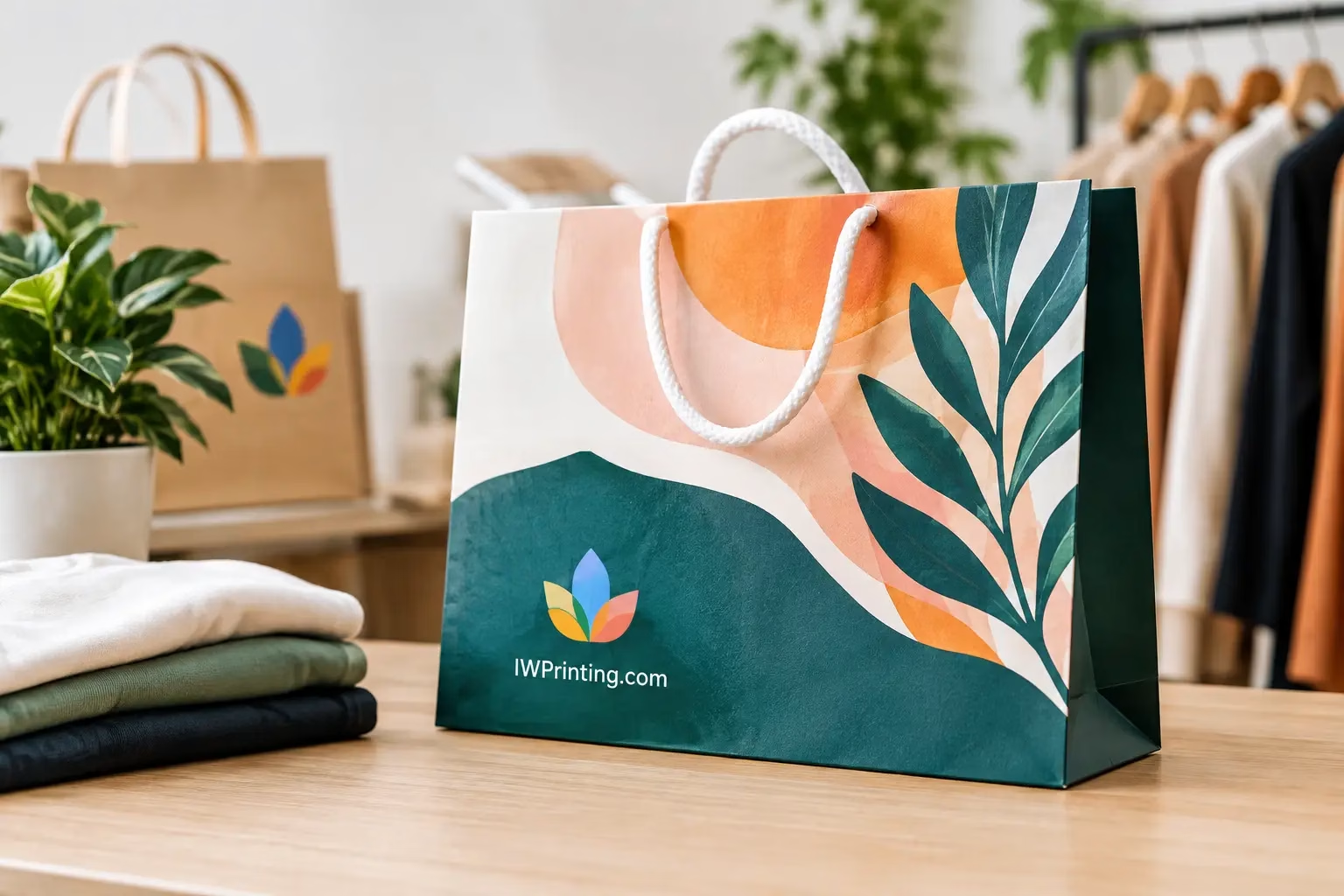
A customer leaves your store, event, or office carrying more than a purchase. They are carrying a visible piece of your brand through a mall, parking lot, lobby, or neighborhood. That is why Shopping bag Printing deserves the same attention as your signage, packaging, and business cards. The right bag looks professional at handover, protects the product inside, and keeps your name in view after the transaction is complete.
For retailers, restaurants, e-commerce sellers, corporate teams, and event organizers, a custom printed shopping bag is a practical marketing tool. It does not need an overly complicated design to work. It needs the right material, a clear logo, reliable construction, and a finish that matches the value of what customers are taking home.
The best bag is not always the most expensive one. It is the one that suits the product weight, customer experience, expected order quantity, and campaign budget. A boutique carrying lightweight apparel has different needs from a bakery packing boxed goods or a corporate event distributing brochures and gifts.
Begin by considering what goes inside. Measure the product’s width, height, and depth, then allow enough space for comfortable packing without making the bag look oversized. A bag that is too tight can crease packaging and strain the handles. One that is much too large can feel wasteful and make small products appear less valuable.
Weight matters just as much. Paper bags are excellent for many retail items, takeaway packaging, and promotional use, but heavier products may require stronger kraft stock, reinforced handles, or a laminated bag. Reusable non-woven bags and fabric tote bags are often a better fit for groceries, conferences, employee kits, and items customers are likely to carry for longer distances.
Your distribution method also affects the specification. Bags used at a checkout counter should be easy for staff to open and pack quickly. Bags prepared for delivery may need additional strength and moisture resistance. For exhibitions, a wider gusset can make room for catalogs, samples, notebooks, and promotional gifts without compromising presentation.
Material choice sets expectations before customers even see the printed design. It affects durability, print appearance, perceived quality, storage requirements, and unit price. There is no universal winner, so match the material to the purchase experience you want to create.
Kraft paper has a natural, practical look that works well for cafes, bakeries, boutiques, organic products, retail stores, and gift packaging. Brown kraft creates an understated, eco-conscious appearance, while white kraft provides a cleaner base for colorful artwork. Twisted paper handles are suitable for many everyday retail uses, while flat handles offer a simple, economical option.
Kraft is a strong choice when you want a premium feel without moving to luxury packaging. However, uncoated paper can be less suitable for products exposed to moisture or for very detailed photographic artwork. A simple logo, bold text, and solid brand colors generally produce the best result.
Laminated bags are designed for brands that want a more polished retail presentation. They are commonly used for fashion, cosmetics, jewelry, corporate gifts, premium food items, and high-value promotional kits. Gloss lamination makes colors look bright and sharp, while matte lamination creates a refined, modern finish.
These bags can be upgraded with rope handles, ribbon handles, foil stamping, spot UV, or embossed details. Those additions create a memorable unboxing and carry experience, but they also raise production cost and may require more lead time. They make sense when the bag is part of a premium customer journey, not when the bag is likely to be discarded immediately after use.
Non-woven bags are lightweight, reusable, and well suited to supermarkets, schools, healthcare campaigns, exhibitions, product launches, and corporate giveaways. They offer good printing space and can be produced in a wide selection of colors. Fabric tote bags, including cotton and canvas options, offer a more durable and long-lasting choice for brands aiming for repeated use.
A reusable bag can deliver ongoing visibility because customers may carry it long after the original purchase. The trade-off is a higher per-unit cost compared with basic paper bags. For this reason, many businesses reserve reusable bags for loyalty programs, seasonal campaigns, event merchandise, or purchases above a certain value.
A beautiful printed bag that is awkward to carry will not reflect well on your business. Handles should match the load and the positioning of the brand. Die-cut handles offer a neat, built-in look for lighter items. Twisted paper handles provide a familiar retail feel. Cotton rope and ribbon handles elevate premium bags but are usually better suited to lower-volume, higher-value packaging.
The gusset is the side or bottom expansion that gives the bag capacity. A flat bag works for documents, small gifts, and lightweight apparel. A bottom gusset is more useful for boxes, food containers, and folded garments. A side-and-bottom gusset offers generous space for larger retail purchases and event materials.
Before full production, request a sample or mockup based on the final dimensions. This helps confirm that your product fits properly and that the logo is placed where it remains visible when the bag is filled. It is a small check that can prevent an expensive reprint.
Shopping bags move. They fold, crease, sit on counters, and get viewed from several angles. Artwork should be designed for those real conditions rather than only for a perfect flat digital preview.
Keep the primary logo large enough to read from a short distance. Use strong contrast between the artwork and bag color, especially on kraft or dark-colored materials. If your brand has a detailed logo, consider using a simplified mark or a single-color version for smaller bags. Fine lines and very small text can lose clarity on textured paper or fabric.
Use one main message. A logo, website, store location, campaign line, or social handle can all be useful, but trying to feature everything usually creates a crowded design. The bag should be recognized in seconds. If customers need to stop and read it closely, the message is doing too much.
Production-ready artwork also matters. Supply high-resolution files, preferably vector artwork for logos and text, and confirm the required color mode and bleed with your printer. Brand colors can appear differently across kraft paper, coated paper, fabric, and non-woven materials. A proof helps ensure the final color is close to your intended identity before the full quantity is produced.
Ordering too few bags can increase unit cost and create rushed reorders. Ordering far too many can tie up storage space and leave you with outdated branding after a logo update or seasonal campaign ends. The practical approach is to estimate average weekly usage, account for busy periods, and decide how long you want the stock to last.
For an ongoing retail requirement, a larger quantity often offers better value and keeps branding consistent across locations. For a product launch, exhibition, or limited promotion, a shorter run may be smarter, particularly when the design includes dates, event messaging, or a special offer.
Do not overlook storage. Keep paper bags flat, dry, and away from direct sunlight to avoid bending, fading, or moisture damage. Fabric and non-woven bags should also be stored cleanly and protected from dust, especially when they will be distributed at a client-facing event.
A printed bag has more impact when it supports the rest of your visual communication. Match its colors and logo treatment to your labels, stickers, tissue paper, product packaging, counter displays, and event materials. This creates a consistent impression without requiring every item to carry the same full design.
For businesses ordering custom packaging in Dubai and across the UAE, working with one production partner can simplify artwork checks, material selection, quality control, and delivery planning. IWPrinting.com can support standard bag orders as well as tailored packaging requirements for retail, corporate, hospitality, and event use.
The strongest shopping bags do not merely hold products. They give customers a reason to carry your name with confidence. Choose a material that fits the job, keep the design clear, test the size before committing, and order enough stock to serve your busiest days without sacrificing quality.
Get Round Sticker Printing in Dubai for product labels, events, and promotions. Choose durable materials, sharp color, custom sizes, and fast delivery.
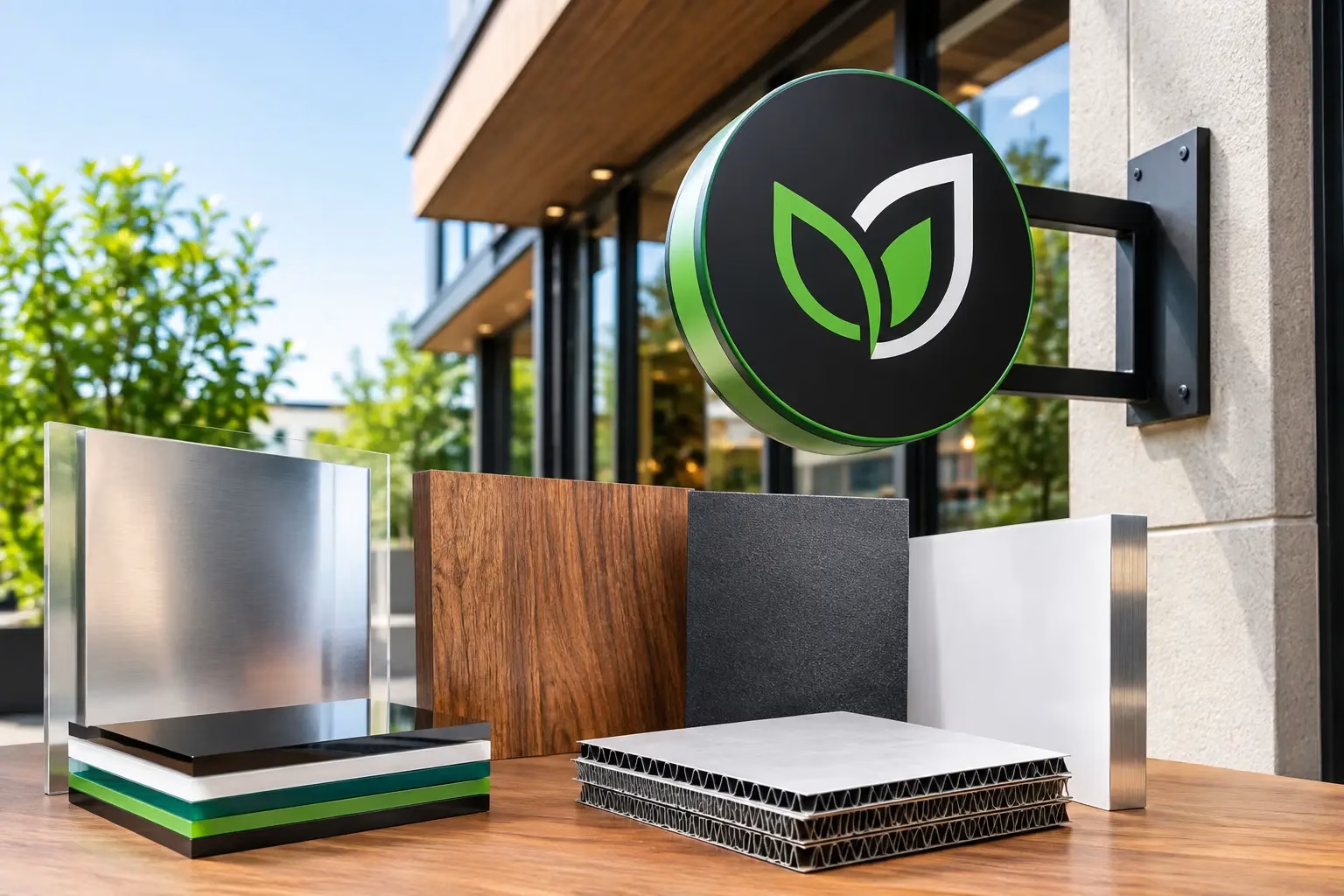
Compare the best storefront sign materials for visibility, weather resistance, lighting, and budget, then choose a polished sign built to perform well.
WhatsApp us
Printing, corporate gifts and signage — tell us what you need and let AI help you find it.
Ask naturally. IWPrint AI can understand your product, quantity, budget and requirement.