
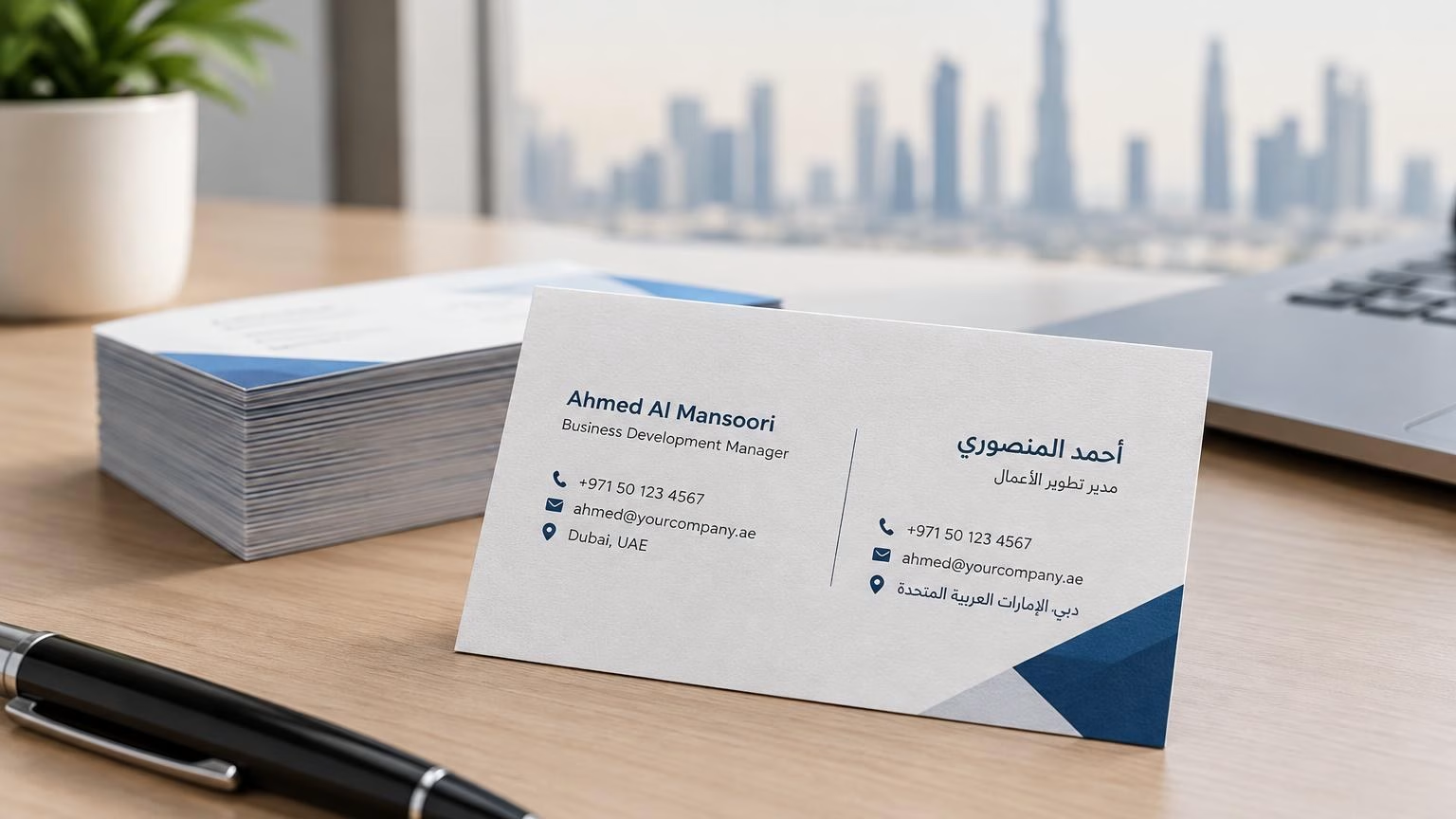
阿联酋阿拉伯语与英语双语名片印刷:排版与校对指南
阿联酋双语名片要同时照顾阿拉伯语从右向左阅读、英语从左向右阅读的习惯。本文介绍版面规划、姓名与联系方式校对、印前文件检查及印量安排,帮助迪拜及阿联酋企业减少常见错误。
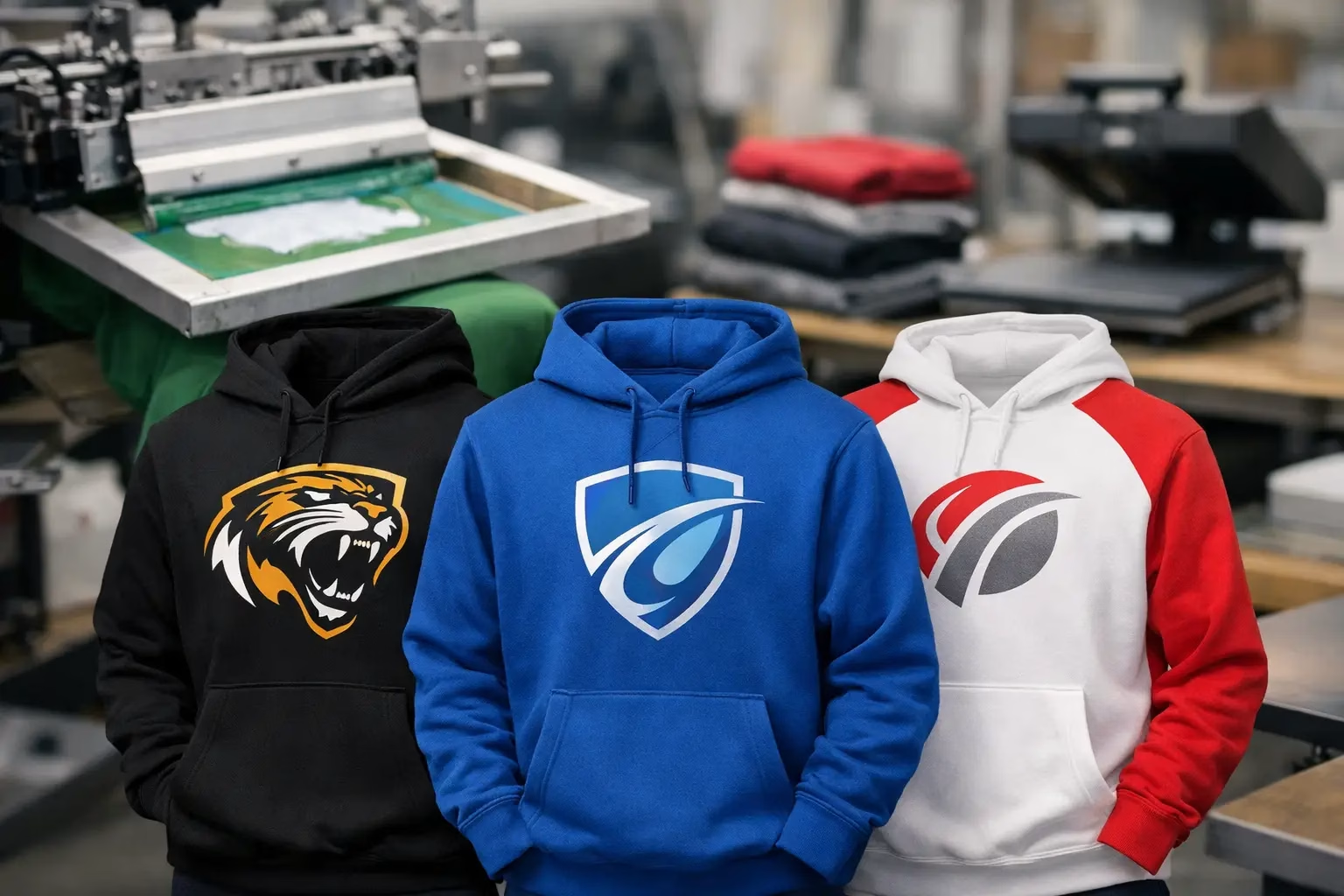
A hoodie is one of the few branded products people will keep wearing long after an event, campaign, or staff gathering ends. That makes custom hoodie printing more than a way to add a logo to apparel. Done well, it creates practical teamwear, valuable promotional merchandise, and a visible extension of your brand wherever the wearer goes.
For a startup team, a retail launch, a university club, a construction crew, or a large corporate event, the right hoodie needs to feel good, look professional, and hold up through repeat wear and washing. The best results come from deciding on the garment, artwork, printing method, and order quantity before production starts.
The intended use should guide every production decision. A lightweight hoodie for a one-day outdoor activation has different requirements from a premium fleece hoodie intended as a corporate gift. Staff uniforms may need consistent sizing and a discreet left-chest logo, while a fashion-forward merchandise drop may call for oversized artwork across the back.
Think about who will wear it, how often it will be worn, and where it will be seen. Hoodies for hospitality teams and retail staff should support a clean, consistent appearance. Hoodies for events need to be easy to identify from a distance. Branded merchandise should feel like an item people choose to wear, not just a giveaway they leave in a drawer.
Climate matters, too. Heavier cotton-blend fleece offers warmth, structure, and a premium feel, but it may not be the right choice for warm-weather promotions. Midweight and lightweight options are often more versatile for travel, events, and year-round employee use. There is no single best fabric – the right one depends on comfort, budget, and the purpose of the order.
A classic pullover hoodie provides the largest uninterrupted print area and is often the most cost-effective option. Zip-up hoodies are popular for uniforms and layered workwear, but the zipper limits the size and placement of front artwork. In most cases, a small chest logo plus a larger back print works better on a zip-up style.
Fabric composition affects both the print finish and the garment’s long-term performance. Cotton-rich hoodies usually offer a soft, natural feel and strong results with several print techniques. Polyester blends can be durable and colorfast, especially for activewear-inspired apparel, but may require a method selected specifically for synthetic fabrics. A cotton-poly blend is a dependable all-around choice for many business orders because it balances comfort, durability, and price.
Color selection deserves as much attention as the print itself. Black, charcoal, navy, and heather gray are reliable choices for staff apparel because they suit most brand colors and are forgiving in daily use. Bright hoodie colors can create more impact for campaigns or youth events, although they can limit artwork contrast. A design that looks sharp on white may lose clarity on red, royal blue, or dark green fabric.
Before approving production, review the actual garment color alongside the artwork. On-screen mockups are useful, but they cannot fully show how ink colors, fabric texture, and garment seams will affect the finished piece.
The print method should be chosen for the artwork, fabric, quantity, and expected use – not simply because one option has the lowest initial price. A professional production partner can recommend the most suitable method after reviewing the design and garment specifications.
Screen printing is a strong option for larger orders with simple artwork, solid colors, and repeat designs. It produces vivid, durable prints and becomes more cost-effective as quantities increase. It is especially well suited to logos, slogans, event branding, sports teams, and promotional campaigns.
The trade-off is setup. Each color in the design generally requires its own screen, so a detailed illustration with many colors can increase production time and cost. If your logo uses one or two spot colors, screen printing is often an efficient choice with excellent visual impact.
Digital printing and heat-transfer options work well for full-color graphics, photographs, gradients, individual names, and smaller orders. These methods can reproduce detailed designs without the same color-by-color setup required for screen printing. They are useful when every hoodie needs a different name, number, or department identifier.
The final texture can vary depending on the process and artwork coverage. Large solid print areas may feel heavier than ink applied through screen printing, particularly on lightweight garments. For a detailed full-color design, however, the flexibility can be worth that trade-off.
Embroidery gives logos a textured, polished appearance and is a popular choice for uniforms, management apparel, and corporate gifts. It performs particularly well on small chest logos, sleeves, and hood areas. A well-digitized embroidered logo can look premium for years.
Embroidery is not ideal for every design. Fine text, gradients, very small details, and large back graphics may not translate cleanly into thread. It can also add weight to thin fabrics. Many organizations combine methods: embroidery on the chest for a high-end look, with printing on the back for a campaign message or larger graphic.
A clear design file prevents delays, reprints, and disappointing results. Vector artwork is preferred for logos and clean line designs because it can scale without losing sharpness. Common vector formats include AI, EPS, PDF, and SVG. For photographic or highly detailed artwork, provide a high-resolution file sized for the intended print area.
Avoid sending a small image copied from a website or social media profile. It may look acceptable on a phone screen but print blurry when enlarged on fabric. If your logo is only available in a low-resolution format, professional artwork support can help recreate or prepare it for production.
Placement should be specified rather than assumed. A left-chest logo, centered front print, oversized back graphic, sleeve print, and hood print all create very different looks. Include approximate dimensions in inches or centimeters, especially if brand consistency matters across uniforms, signage, packaging, and promotional products.
It is also worth checking the wording twice. A misspelled event date or outdated website on 100 hoodies is expensive to fix. Confirm names, contact details, sponsor logos, and color references during artwork approval.
Hoodie orders become easier to manage when quantities are planned early. Production pricing can change significantly between a small personalized order and a bulk run for a company-wide campaign. Larger quantities may reduce the unit cost, especially for screen printing, but only if the extras will genuinely be used.
For staff or team orders, collect sizes directly whenever possible. If sizes are uncertain, build in a practical size range and order a modest number of extras in commonly requested sizes. Do not rely on unisex sizing labels alone. Hoodie fits vary by supplier, fabric weight, and style, so reviewing a size chart or sample is the safer approach.
Consider whether the order will need reordering later. Keeping a confirmed artwork file, garment specification, print placement, and approved color details makes future orders faster and more consistent. This is particularly useful for multi-location businesses, growing teams, schools, and recurring events.
Custom hoodie printing works best when it supports a clear business purpose. A hoodie can reinforce a product launch, unify an exhibition team, recognize employees, reward loyal customers, or create a stronger visual identity at an event. It can also be paired with printed tote bags, caps, badges, stickers, banners, and event displays for a coordinated brand presence.
For businesses working across multiple sites or running time-sensitive campaigns, dependable production and delivery are as important as the print quality. Ask about artwork approval timelines, garment availability, production lead times, and delivery schedules before committing to an event date. A lower quote is not a saving if the hoodies arrive after the activation has ended.
IWPrinting.com helps organizations turn apparel concepts into practical branded products with professional design support, quality production, and reliable delivery. Whether you need a small batch of personalized hoodies or a larger branded apparel order, start with a clear purpose and a garment people will be happy to wear again.
阿联酋双语名片要同时照顾阿拉伯语从右向左阅读、英语从左向右阅读的习惯。本文介绍版面规划、姓名与联系方式校对、印前文件检查及印量安排,帮助迪拜及阿联酋企业减少常见错误。
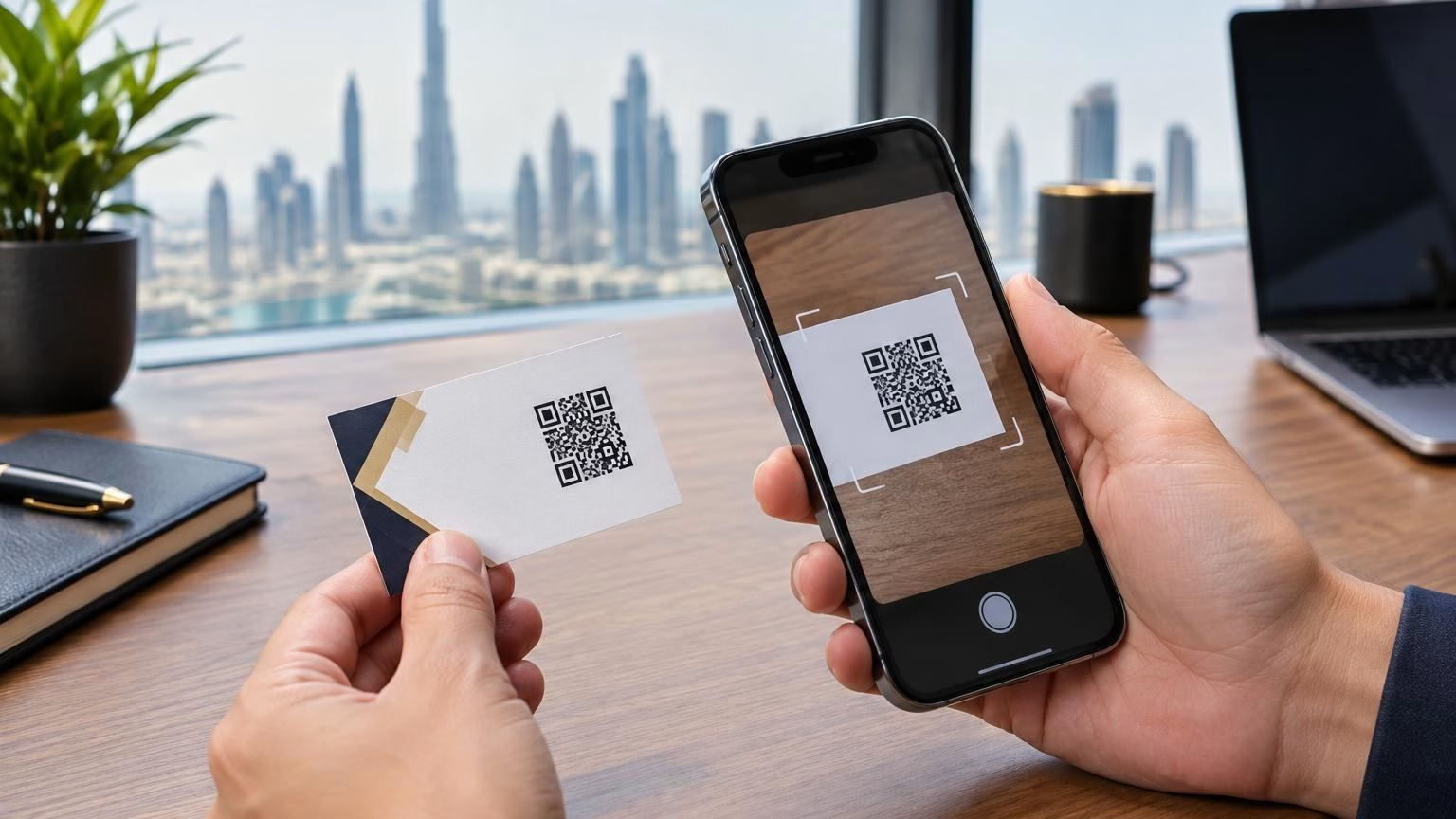
A QR code can make a business card a useful bridge to your digital presence. Learn what to link, how to prepare the artwork and how to test scanability before printing in Dubai or elsewhere in the UAE.
I can help you find the right printing, corporate gifts, signage and display products. Tell me what you need, your quantity, and your budget if you have one.
WhatsApp us