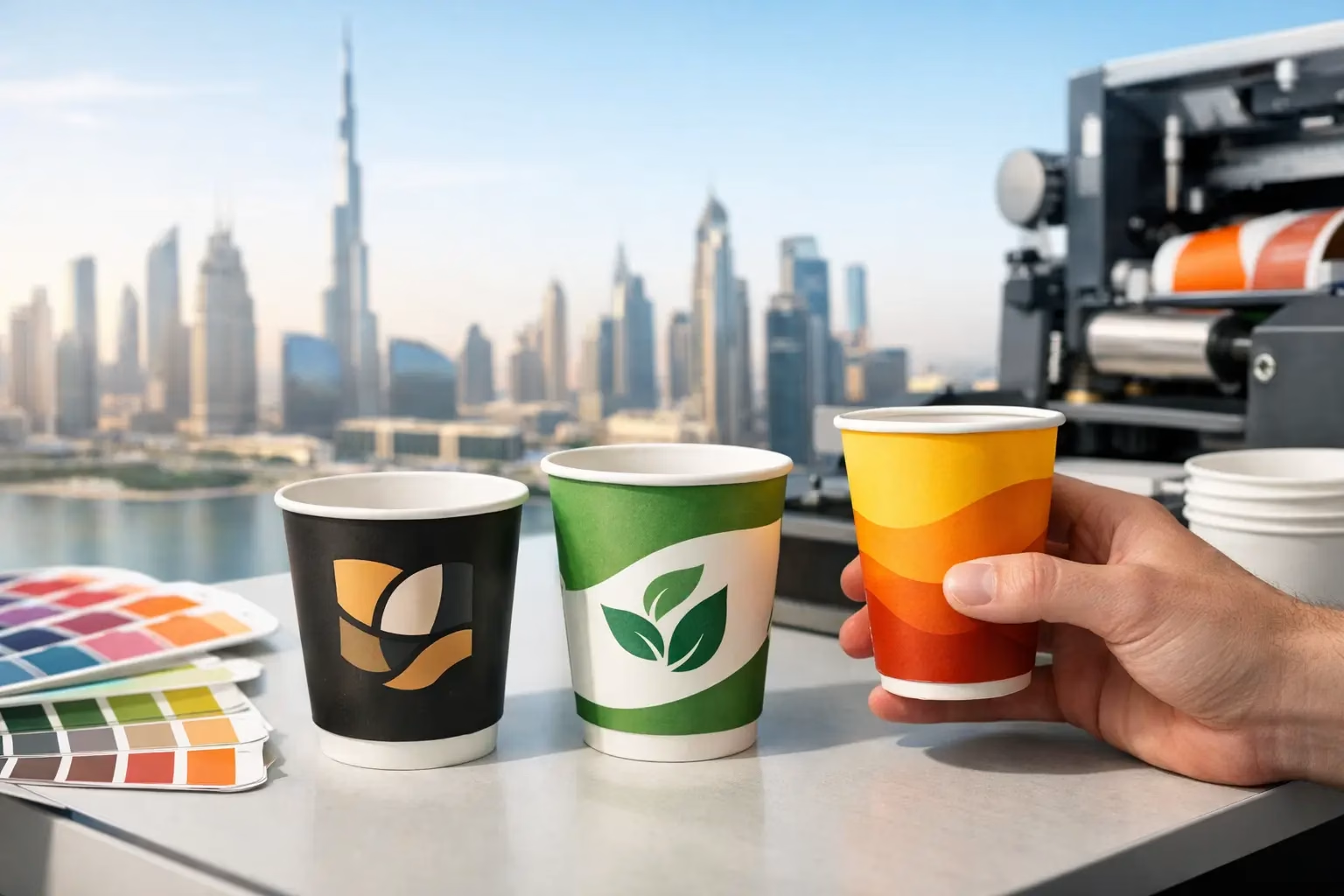
A takeaway coffee cup can pass through dozens of hands before the drink is finished. That makes it more than disposable food packaging – it is a compact brand touchpoint at a café counter, office pantry, exhibition stand, hotel breakfast service, or corporate event. This Dubai paper cup printing guide explains how to order custom cups that look professional, handle the intended drink well, and make commercial sense for your volume.
Start With the Drink, Not the Design
The most attractive cup is still the wrong choice if it is too small for the menu, uncomfortable to hold, or unsuitable for the temperature of the beverage. Begin by defining what customers will actually be served. Espresso, Arabic coffee, tea, flat whites, iced drinks, smoothies, and sampling portions all call for different cup capacities and constructions.
Common hot-drink sizes include 4 oz for espresso or tastings, 8 oz for smaller coffees and tea, 12 oz for regular takeaway drinks, and 16 oz for larger beverages. Cold cups often need different material specifications and lids, particularly when condensation is likely. If your menu includes both hot and cold service, do not assume one cup format will cover every use case. A coordinated range can look consistent while giving staff and customers the right experience.
For hot beverages, single-wall cups are a practical, cost-effective option when used with cup sleeves. Double-wall or ripple-wall cups offer better heat insulation and a more premium feel, reducing the need for a separate sleeve. The trade-off is unit cost and storage space. For a high-volume café, a single-wall cup and branded sleeve may provide flexibility. For a boutique coffee concept, a double-wall cup can support a more elevated presentation.
Dubai Paper Cup Printing Guide: Choose the Right Material
Paper cups are usually made from food-safe paperboard with a protective internal lining that helps prevent leaks. The liner matters because it affects performance, recycling options, print specifications, and how the cup should be positioned within your sustainability messaging.
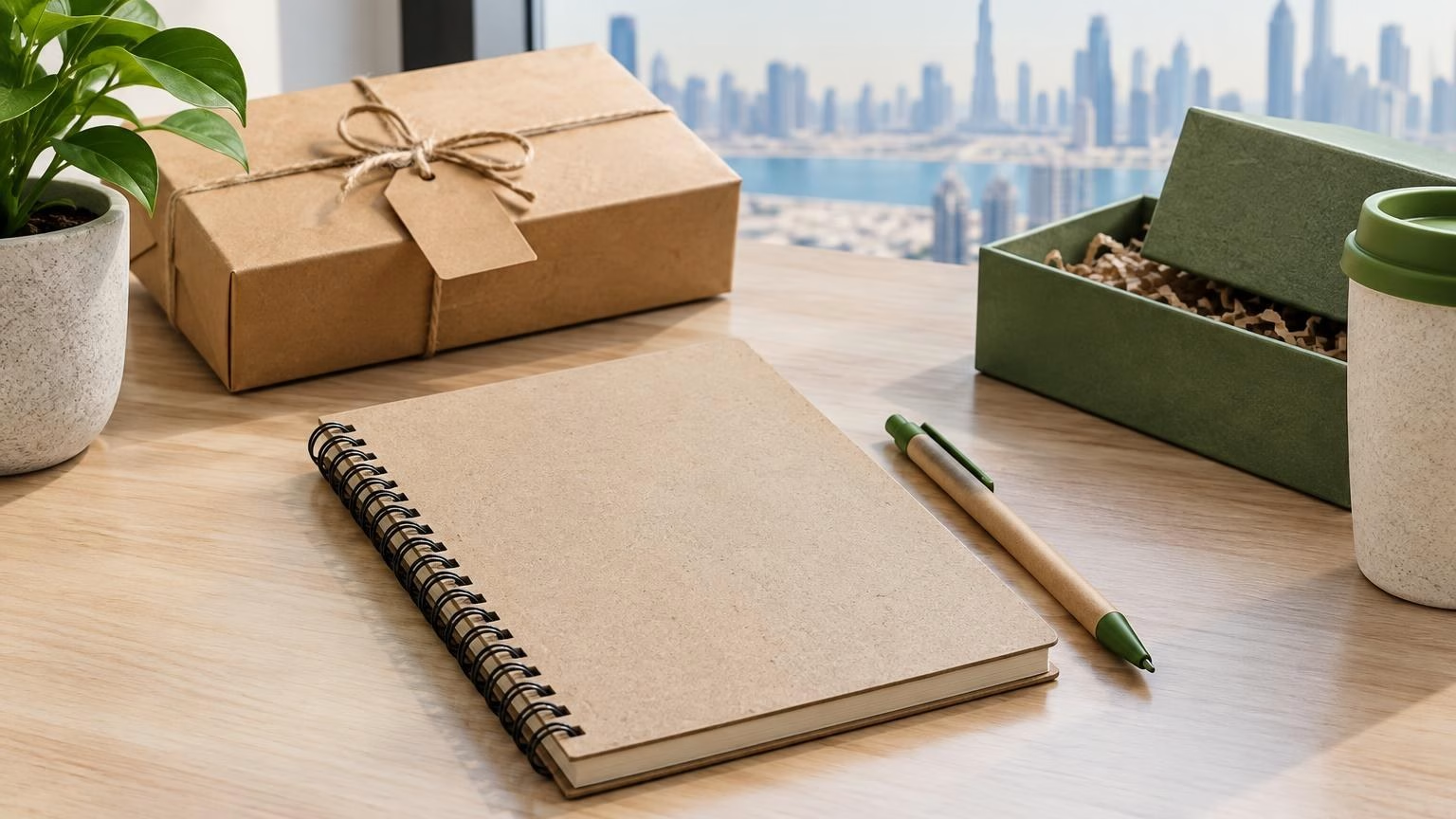
Traditional PE-lined paper cups are widely used because they are dependable for hot and cold drinks. PLA-lined options use a plant-based lining, but their end-of-life benefits depend on access to suitable composting facilities. Water-based barrier options may also be available for certain applications. The right choice depends on your beverage type, order quantity, budget, and the waste-management conditions relevant to your operation.
Avoid broad environmental claims unless the exact cup material, lid, sleeve, and disposal route support them. A cup described as recyclable or compostable can create confusion if local collection systems do not accept it. Clear, accurate messaging protects the credibility of your brand.
Lids deserve the same attention as the cup. A secure-fitting lid helps prevent spills during delivery and makes takeaway service more convenient. White, black, and custom-colored lids can change the overall look, while sip openings, venting, and compatibility should be checked with the selected cup size before production begins.
Build Artwork That Works on a Curved Surface
A paper cup has limited printable space, and its tapered shape changes how artwork appears when wrapped around it. A design that looks balanced on a flat screen can feel crowded or distorted once printed. Keep the message focused: a recognizable logo, a simple graphic element, one short tagline, or a QR code only when there is enough clear space for it to scan reliably.
Strong cup branding is often simpler than expected. A bold logo on a clean background can be more memorable than a full wrap filled with text. Hospitality brands can use patterns, illustrations, or seasonal artwork, but the core identity should remain easy to identify from a distance.
Use high-resolution logos and vector artwork whenever possible. Vector files such as AI, EPS, or print-ready PDF formats preserve sharp lines and text at production size. If photographs are part of the design, make sure they are high resolution and prepared in the correct print color mode. Low-quality images may appear pixelated, especially on large areas of color.
Ask for a production template before finalizing artwork. The template shows the bleed area, safe zone, seam position, and any sections that may be hidden by a lid or sleeve. Keep important text, phone numbers, and logo details away from the seam. Fine type, very thin lines, and small reversed-out text can lose clarity on textured paperboard, so practical artwork adjustments are often worthwhile.
Match Print Colors to Your Brand Standards
Color consistency matters when paper cups are part of a wider visual identity that includes menus, packaging, staff uniforms, retail signage, and event displays. Provide approved brand colors, ideally with Pantone references where required, along with CMYK values for process printing.
There is a difference between viewing colors on a monitor and seeing them on paperboard. Screen settings, cup material, ink coverage, and production methods can all influence the final result. Light colors may look softer on natural or uncoated stocks, while large dark areas can show scuffing more easily during transport and use. A proof or sample is especially valuable for new brands, premium color palettes, and designs where an exact shade is important.
Full-color printing gives greater creative freedom for illustrations, gradients, and photographic elements. Limited-color printing can be a more economical choice for logos and straightforward branding. The best option depends on the artwork and quantity. It does not make sense to pay for complex full-color decoration if your brand is best represented by one strong color and a clean mark.
Plan Quantities Around Real Service Volumes
Printed cups are most cost-effective when ordered in quantities that match regular consumption. Very small custom runs may have a higher cost per cup because setup and production costs are spread across fewer units. Larger volumes generally improve unit pricing, but only if you have dry, clean storage and confidence that the design will remain current.
Review daily beverage sales, event attendance, delivery orders, and expected campaign duration. A café serving 150 takeaway drinks a day will have different requirements from an office ordering branded cups for monthly meetings. For seasonal promotions or product launches, a smaller run may be safer than storing a year’s supply of dated artwork.
Before approving the order, confirm the following details with your printing partner:
- Cup size, wall type, and beverage use
- Printed quantity and pack configuration
- Lid and sleeve compatibility, if required
- Artwork format, colors, and placement
- Production timeline, proof approval, and delivery schedule
This short check prevents common problems such as ordering the wrong capacity, approving artwork with a hidden seam, or receiving cups before matching lids are available.
Think Beyond the Cup for a Complete Service Set
The cup is highly visible, but it works hardest when it is part of a consistent takeaway experience. Branded sleeves, napkins, stickers, pastry bags, carrier trays, and delivery seals can reinforce the same identity without putting too much information on one cup.
For exhibitions and corporate activations, paper cups can also carry a campaign message, event hashtag, product launch graphic, or limited-time offer. Keep the audience and setting in mind. A QR code might be useful at a trade show where visitors are looking for product information, but less useful on a busy morning coffee run where speed and clear branding matter more.
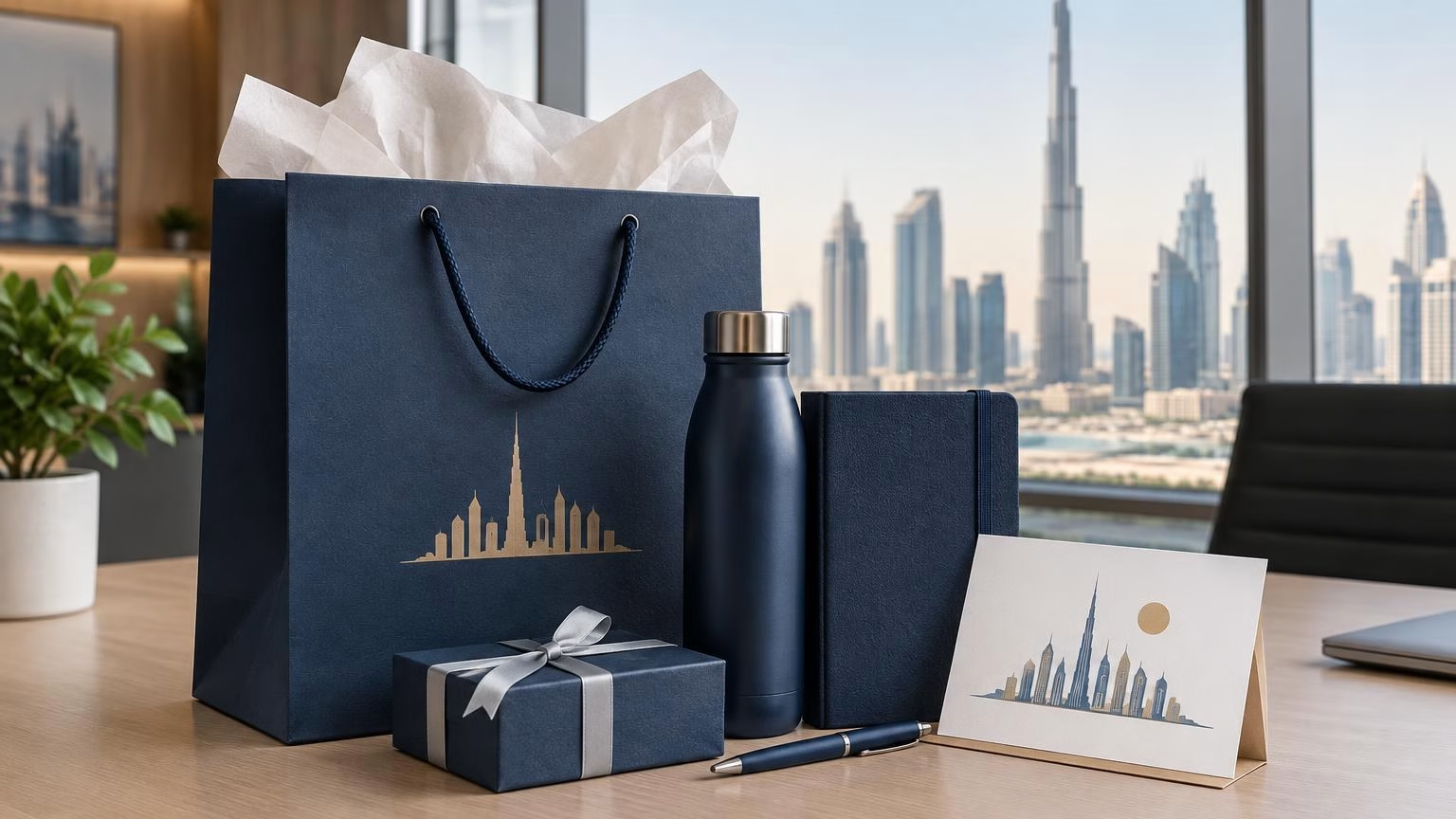
This is also an opportunity to connect physical service with your wider brand environment. A café opening can coordinate cup printing with window graphics, menus, counter signage, staff apparel, and promotional materials. A corporate event can align cups with badges, display stands, welcome packs, and branded gifts. The result feels organized because each item supports the same visual message.
Set a Realistic Production and Delivery Timeline
Custom cup printing involves artwork preparation, approval, production, packing, and delivery. Lead times can vary according to quantity, cup construction, print coverage, stock availability, and the need for special finishes or custom colors. Do not leave branded cups until the final days before an opening, exhibition, Ramadan campaign, or conference.
Build time for artwork review and a physical or digital proof where appropriate. Internal approvals can take longer than production, especially for government, healthcare, education, and multi-location brands. If several stakeholders need to approve colors or messaging, nominate one person to collect feedback and provide a final consolidated sign-off.
A dependable printing partner should help you confirm the specifications before production, identify practical design risks, and arrange delivery around your operating schedule. IWPrinting.com supports custom paper cup printing alongside the wider packaging, event, and business branding materials many UAE organizations need, making it easier to keep quality and presentation consistent.
Your next cup order should make service easier for your team and your brand easier to remember for customers. Start with the drink, choose specifications that fit real use, and give the artwork enough room to be seen clearly.