
Shopping Bag Printing That Builds Brand Recall
Shopping bag Printing turns every purchase into brand exposure. Choose materials, sizes, finishes, and artwork that fit your product, budget, and customers.

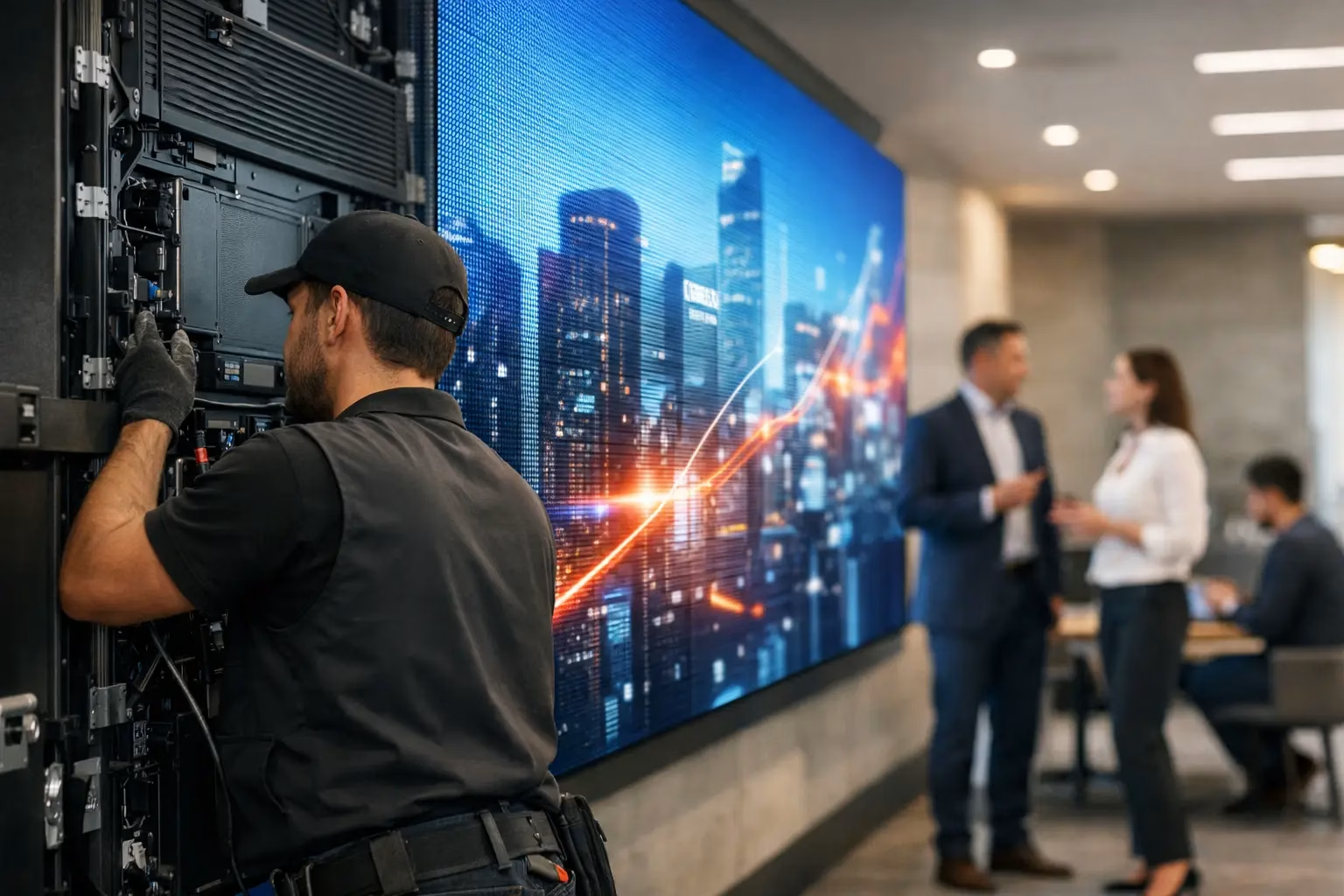
A bright LED display can stop foot traffic, promote a limited-time offer, guide visitors through a venue, or give a corporate lobby a stronger first impression. But the screen itself is only part of the investment. A professional LED screen installation determines whether that display remains clear, safe, and reliable through daily use.
For retailers, hospitality venues, real estate developers, event organizers, and corporate teams, the best result starts before the screen is ordered. Size, viewing distance, mounting surface, power availability, content, and site conditions all affect the final performance. Planning these details early prevents expensive changes after production or during installation.
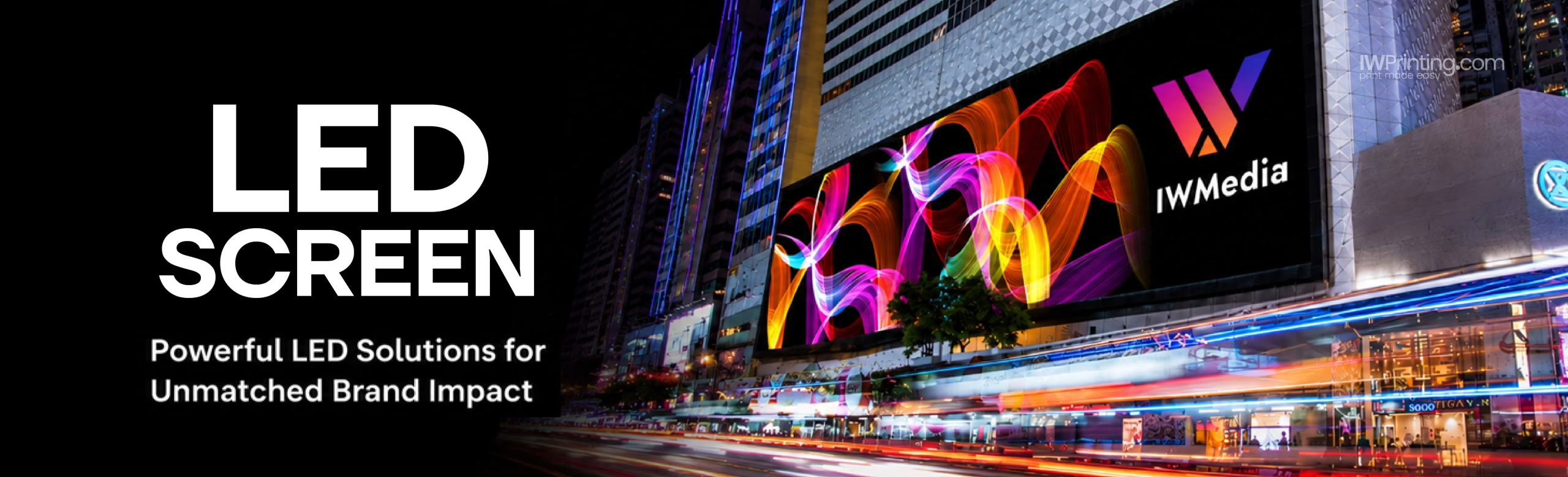
An LED screen should be selected for what it needs to achieve, not simply for the largest available size. A storefront display may need to attract people passing at speed, while a reception screen may present branded videos, welcome messages, and company updates to visitors standing nearby. Event screens need flexible setup and fast, dependable operation. Outdoor displays may need to remain visible under strong sunlight and withstand heat, dust, and moisture.
Define the main purpose first. Is the screen intended for advertising, information, entertainment, wayfinding, presentations, or live event content? This decision affects the screen type, pixel pitch, brightness level, control system, and installation method.
Viewing distance is especially important. Pixel pitch refers to the spacing between LED pixels. A tighter pixel pitch produces a sharper image at close range, making it suitable for indoor retail, meeting rooms, showrooms, and reception areas. A larger pixel pitch can be more cost-effective for outdoor signs viewed from farther away. Paying for extremely fine resolution on a high-mounted roadside display may not add meaningful value, while using a coarse display in a close-viewing environment can make text and graphics look unclear.
The physical location should be surveyed before finalizing dimensions and mounting details. Walls, columns, ceilings, fascia panels, stages, and freestanding structures all have different load-bearing requirements. A screen must be secured to a suitable frame or support system rather than treated as a simple decorative panel.
A proper site survey checks the mounting surface, available access, electrical routes, cable concealment, ventilation, sightlines, and safe working space for installers. It also identifies obstacles such as doors, sprinklers, air-conditioning units, glass partitions, and existing signage. These practical details are what keep a project looking finished rather than improvised.
For outdoor LED screen installation, the structure must account for wind exposure and the total weight of the display, frame, and electrical components. In UAE locations, high temperatures, dust, and direct sun also shape the specification. A display positioned in full afternoon sun needs enough brightness to stay readable, while outdoor-rated cabinets and sealed connections help protect equipment from weather and airborne dust.
Wall-mounted screens are often the cleanest option for store facades, offices, lobbies, and showrooms. They save floor space and can integrate well with surrounding branding, cladding, acrylic signage, or 3D letters. The wall must be structurally appropriate, and rear or front maintenance access needs to be considered before the screen is fixed in place.
Suspended screens work well in exhibition halls, retail atriums, airports, sports venues, and large event spaces where visibility from multiple directions matters. These installations require careful rigging calculations, approved hanging points, and a clear plan for maintenance access.
Freestanding screens are useful when no suitable wall is available or when the display needs to be moved between campaigns, events, or locations. They offer flexibility but need a stable base, proper cable management, and enough space to avoid becoming an obstruction. For temporary activations, modular LED cabinets can provide a practical balance between visual impact and quick setup.
An LED screen needs more than a nearby outlet. The electrical load must be calculated based on the display size, brightness, operating schedule, and supporting equipment. Dedicated circuits, correctly rated breakers, grounding, and protected connections help reduce the risk of shutdowns, flickering, or equipment damage.
Power planning should also include the media player, video processor, control box, network equipment, and any backup solution required for critical displays. A screen used for public information, event schedules, or high-traffic promotions should not lose content because of an avoidable power issue.
Data connectivity matters just as much. Some screens are updated using a local computer or USB drive, while others can be controlled through a network or cloud-based platform. Remote management is valuable for businesses with multiple branches or frequent campaigns, but it depends on stable internet access and appropriate system permissions. A simple control setup can be the better choice for a single screen with occasional updates.
Cables should be protected, labeled, and routed neatly. Exposed wires can create a safety concern and weaken the appearance of an otherwise premium installation. Good cable management also makes future servicing faster and less disruptive.
A high-quality LED display cannot compensate for weak content. The message needs to be readable within the time people actually have to look at it. On a storefront or outdoor sign, that may be only a few seconds. Large text, clear contrast, short messages, and strong product imagery usually perform better than crowded layouts.
For indoor displays where people spend more time, content can be more detailed. A showroom screen may feature product videos, customer testimonials, service information, or branded motion graphics. A corporate screen may rotate announcements, performance updates, safety messages, and event notices.
Design files should be created to the screen’s exact pixel resolution and aspect ratio. Stretching a standard video onto an unusually wide or tall screen can distort logos, text, and images. Brightness and color should be tested on the installed display, not judged only on a laptop monitor.
Content also needs an update schedule. Displays that show the same outdated promotion for months quickly become background noise. A practical content plan may include seasonal campaigns, event announcements, product launches, operating hours, and short brand messages that can be refreshed without rebuilding the entire system.
LED screens are electrical and structural installations. Depending on the project location, property management rules, landlord approvals, municipality requirements, and venue regulations may apply. This is common for mall retail units, commercial towers, outdoor facades, exhibitions, and public-facing installations.
Professional installation teams coordinate the work sequence around access restrictions, working hours, lifting equipment, and site safety requirements. For a large facade screen, this may include scaffolding, boom lifts, or crane access. For an indoor office display, the challenge may be protecting finished floors, limiting noise, and completing work outside business hours.
Maintenance access should be designed into the project from the start. LED modules, power supplies, receiving cards, and control components may eventually need inspection or replacement. A screen installed tightly into a wall without front-service modules or rear access can turn a small repair into a major job.
The lowest screen price is not always the lowest project cost. A quote that excludes structure, wiring, installation, testing, permits, content setup, or after-sales support can create delays and additional spending later. Compare proposals based on the complete scope, display specifications, warranty terms, installation method, and service response.
For custom branding projects, it is useful to work with one provider that can coordinate design, screen production, structural fabrication, signage, graphics, delivery, and installation. This reduces handoffs and helps ensure the display fits the wider visual environment, whether it is part of a retail launch, exhibition booth, office upgrade, or outdoor advertising program.
IWPrinting.com supports businesses with customized visual communication solutions, including signage, fabrication, branding graphics, and professional installation planning for projects across the UAE.
A well-planned LED screen becomes a working business asset, not just a bright wall feature. Choose the right display for the viewing environment, prepare the structure and electrical supply properly, and keep the content useful enough that people have a reason to look twice.
Shopping bag Printing turns every purchase into brand exposure. Choose materials, sizes, finishes, and artwork that fit your product, budget, and customers.
Get Round Sticker Printing in Dubai for product labels, events, and promotions. Choose durable materials, sharp color, custom sizes, and fast delivery.