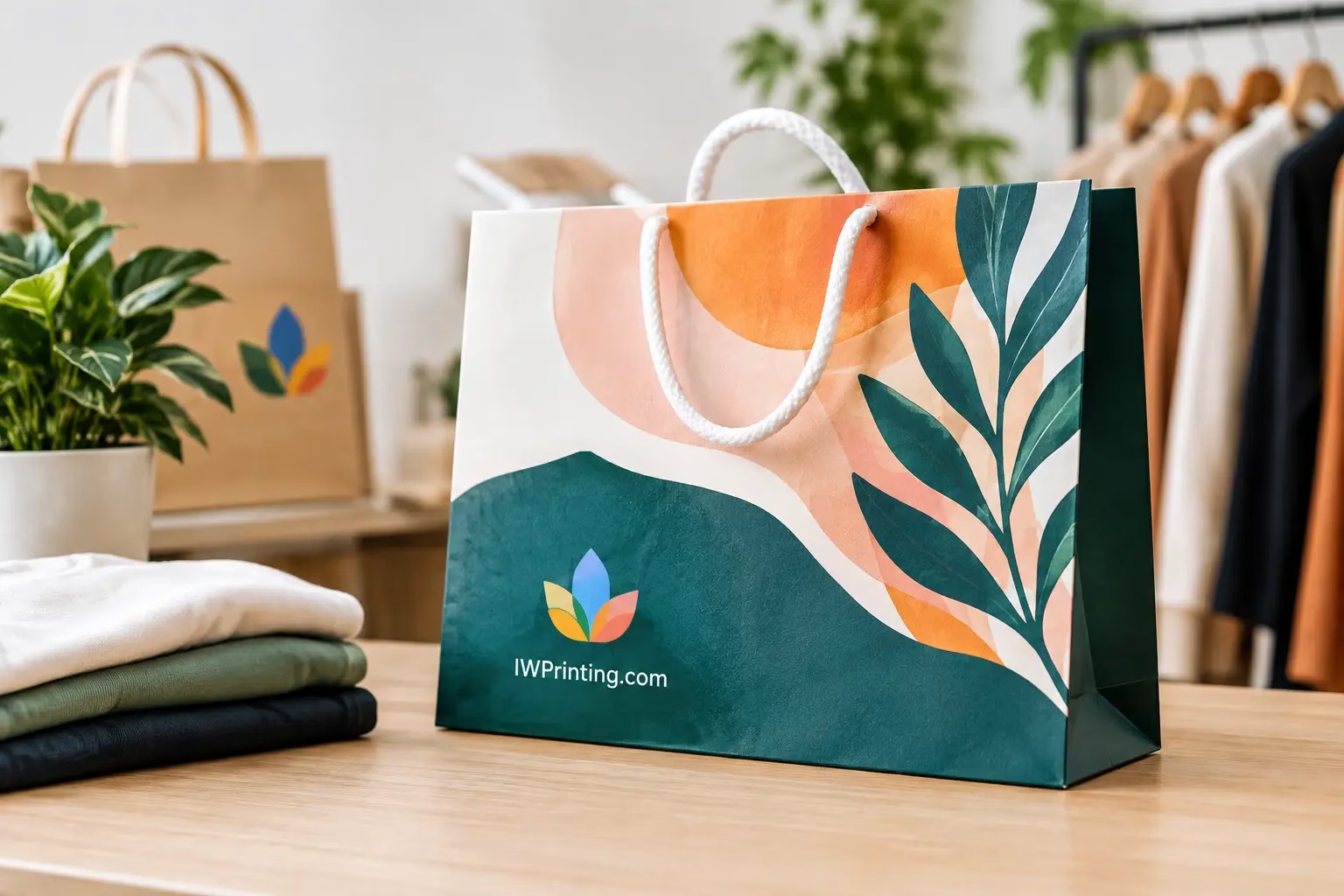
Shopping Bag Printing That Builds Brand Recall
Shopping bag Printing turns every purchase into brand exposure. Choose materials, sizes, finishes, and artwork that fit your product, budget, and customers.

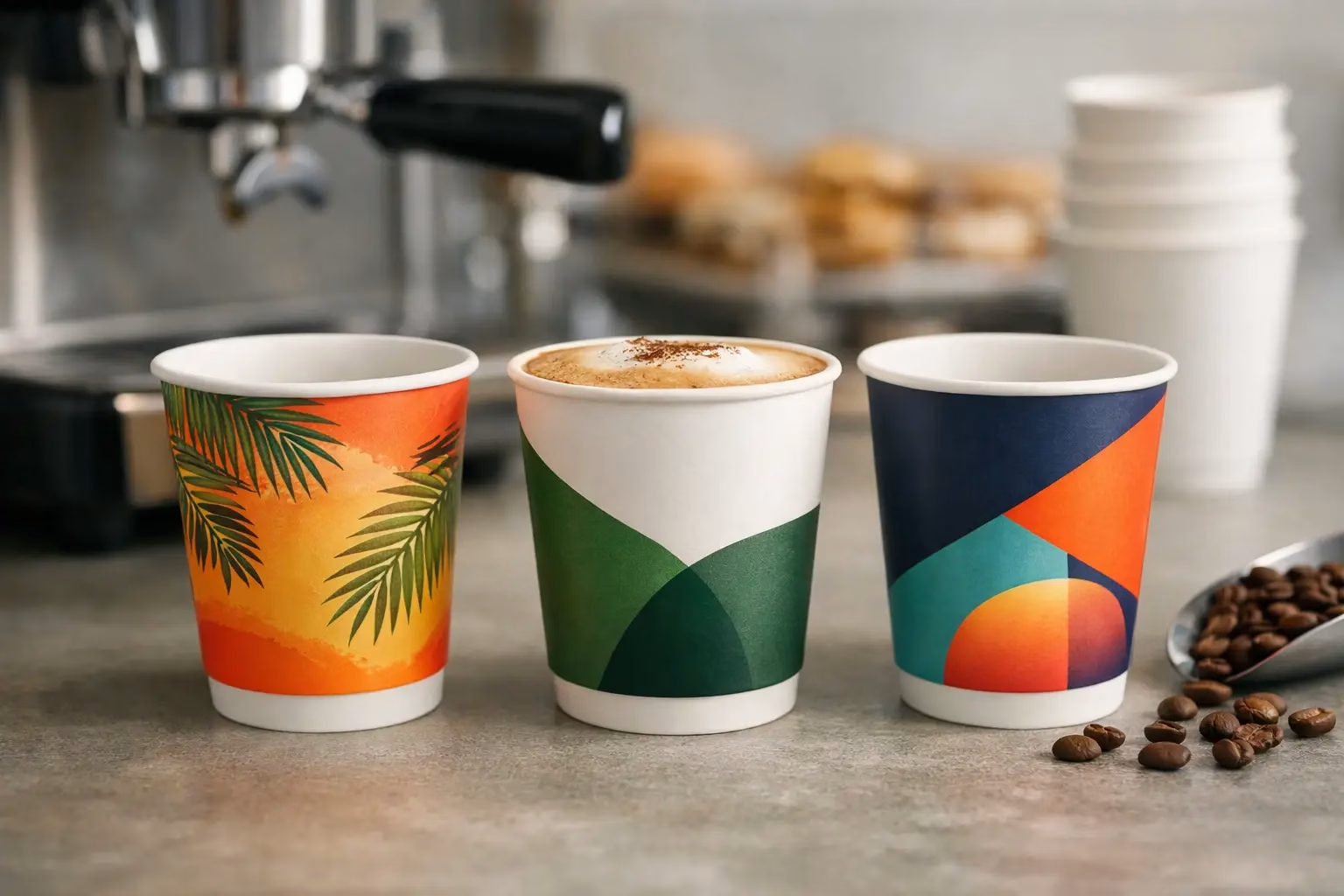
A customer may hold a takeaway cup for 10 minutes, but they can see your logo dozens of times before the last sip. That is what makes paper cup printing more than a packaging decision. For cafes, restaurants, offices, exhibitions, and promotional events, a well-printed cup turns an everyday refreshment into a visible, useful brand touchpoint.
The best result is not simply a cup with a logo placed in the middle. It is a cup that feels consistent with your storefront, event theme, packaging, and service standard. The right size, coating, colors, and print layout help make that happen while keeping ordering practical for your budget and volume.
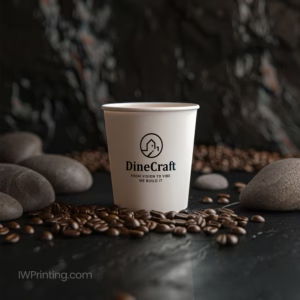
Printed cups travel. A coffee may leave your counter, move through an office lobby, sit in a meeting room, or appear in a guest’s hand at an exhibition. Unlike a flyer, the cup has a job to do, which makes the branding feel less like an advertisement and more like part of a considered customer experience.
This matters especially for businesses that rely on repeat visits and word-of-mouth visibility. Independent coffee shops can build recognition around a distinctive cup design. Corporate teams can serve branded coffee at meetings and training sessions. Event organizers can use cups to reinforce sponsors, campaign messaging, or a launch identity. Hospitality brands can add polish to room service, breakfast stations, and outdoor catering.
For seasonal promotions, paper cups also create an easy way to introduce a limited-time message without changing permanent signage or menus. A summer iced-drink campaign, holiday offer, new product launch, or company anniversary can have its own cup artwork. The trade-off is that smaller custom runs generally cost more per piece than larger-volume orders, so it pays to plan campaigns early.
A good design cannot compensate for an unsuitable cup. Start with what you are serving, how long it will be held, and whether your customers are likely to take it away.
Single-wall paper cups are a practical option for cold drinks, water stations, samples, and hot beverages served with a sleeve. They are often cost-effective for high-volume events and quick-service operations. For hot coffee, tea, and other drinks that customers hold for longer, double-wall or ripple-wall cups offer better insulation and a more premium feel.
Cup capacity should match the drink, not just the appearance. Small sizes work well for espresso, tasting portions, and water. Mid-size cups are common for standard coffee and tea orders. Larger cups suit iced beverages, shakes, juices, and cold drinks with ice. If your operation uses lids, confirm lid compatibility during the quotation stage. A cup and lid that do not fit securely can create spills, waste, and a poor customer impression.
The coating also deserves attention. Paper cups commonly use a barrier layer to manage moisture and protect the structure of the cup. Material choices can vary based on the beverage, production method, and disposal requirements. If sustainability claims are part of your brand messaging, ask specific questions about the cup construction, coating, and appropriate disposal route. Avoid broad environmental claims unless the material specification supports them.
For businesses serving cold beverages in hot weather, condensation is another real consideration. A cup that looks excellent in a product photo should still remain comfortable and presentable when filled, carried, and exposed to outdoor temperatures.
A paper cup is not a flat brochure. The design wraps around a tapered shape, and the viewing angle changes as the cup is held. Artwork needs to account for that from the start.
Place the most important element, usually your logo or brand name, where it can be recognized quickly from the front. Keep essential text away from the top rim and bottom edge, where curves, lid overlap, or hand placement can reduce visibility. Fine details may look sharp on a screen but become harder to read once printed on a small curved surface.
A simple, high-contrast design often performs better than an overcrowded layout. Strong brand colors, a clear logo, one short message, and a purposeful pattern can create far more impact than trying to fit a full menu, multiple social handles, and several promotional offers onto one cup.
Before sending artwork for production, prepare the following:
QR codes can work well on cups, but they need enough clear space and sufficient size to scan reliably. Test the code on a printed proof or sample rather than relying only on a digital preview. Also consider the customer journey: a QR code should lead to something useful, such as a menu, loyalty offer, event schedule, or product page.
The right printing method depends on the quantity, artwork complexity, deadlines, and expected level of color precision. There is no single best choice for every order.
For high-volume branded cup programs, production methods designed for repeat quantities can provide strong unit value and consistent output. They are a sensible choice for cafes, restaurant groups, large events, and companies that reorder the same design regularly. The main consideration is lead time, particularly when custom materials or special finishes are involved.
For smaller promotional requirements, short-run digital solutions may offer more flexibility. They can be useful for launches, internal events, seasonal artwork, or testing a new design before committing to a larger run. The per-cup cost may be higher, but the reduced minimum quantity can make the total spend more manageable.
Color expectations should be discussed clearly. Brand colors can appear differently depending on the cup stock, coating, ink system, lighting, and print coverage. If your identity depends on a precise shade, request a proofing process and allow time for approval. This is especially valuable for retail chains, franchise businesses, and corporate brands using standardized visual guidelines.
A printed cup is most effective when it belongs to a wider visual system. Pair it with matching napkins, food boxes, stickers, takeaway bags, counter signs, and staff uniforms where appropriate. You do not need to brand every surface heavily. Consistent colors, typography, and one recognizable graphic element are often enough to make the entire experience feel organized.
For exhibition stands and corporate events, cups can support the event objective rather than just display a logo. A recruitment event may include a short careers message. A property launch may feature the development name and a scannable viewing link. A product sampling campaign may use a bold callout that encourages guests to visit a nearby display or speak with the team.
Restaurants and cafes should also think operationally. A dark full-coverage design can look premium but may show scratches or condensation more easily than a lighter layout. A white writing area may help staff mark drink orders. If customers customize beverages frequently, leave a practical area for names, order codes, or stickers.
The most efficient paper cup order starts with clear information. Specify the cup size, hot or cold drink use, wall type, quantity, lid requirement, artwork, delivery location, and required date. If you are ordering for an event, include setup or event dates rather than only the day you need the cups on-site. That gives production and delivery teams room to protect the deadline.
Ordering slightly ahead of demand can reduce pressure and help you benefit from volume pricing. It also makes reordering easier when the design, specification, and approved artwork are already established. For multi-location businesses, a consistent master specification prevents one branch from using a different size, color, or cup quality than another.
If this is your first custom cup project, begin with your core use case instead of trying to solve every occasion at once. A reliable everyday coffee cup design can become a recognizable asset, while separate event or seasonal versions can be added when the campaign justifies the extra production run.
Paper cups are small, but the impression is not. A clear design, appropriate material, dependable print quality, and a cup that performs well in the customer’s hand can make a routine drink feel like part of a professional brand experience.
For businesses ordering paper cup printing in Dubai or across the UAE, IWPrinting.com can help turn your logo, campaign artwork, or event identity into practical branded packaging with professional production support. Start with the drink you serve and the experience you want people to remember, then choose a cup specification built to deliver both.
Shopping bag Printing turns every purchase into brand exposure. Choose materials, sizes, finishes, and artwork that fit your product, budget, and customers.
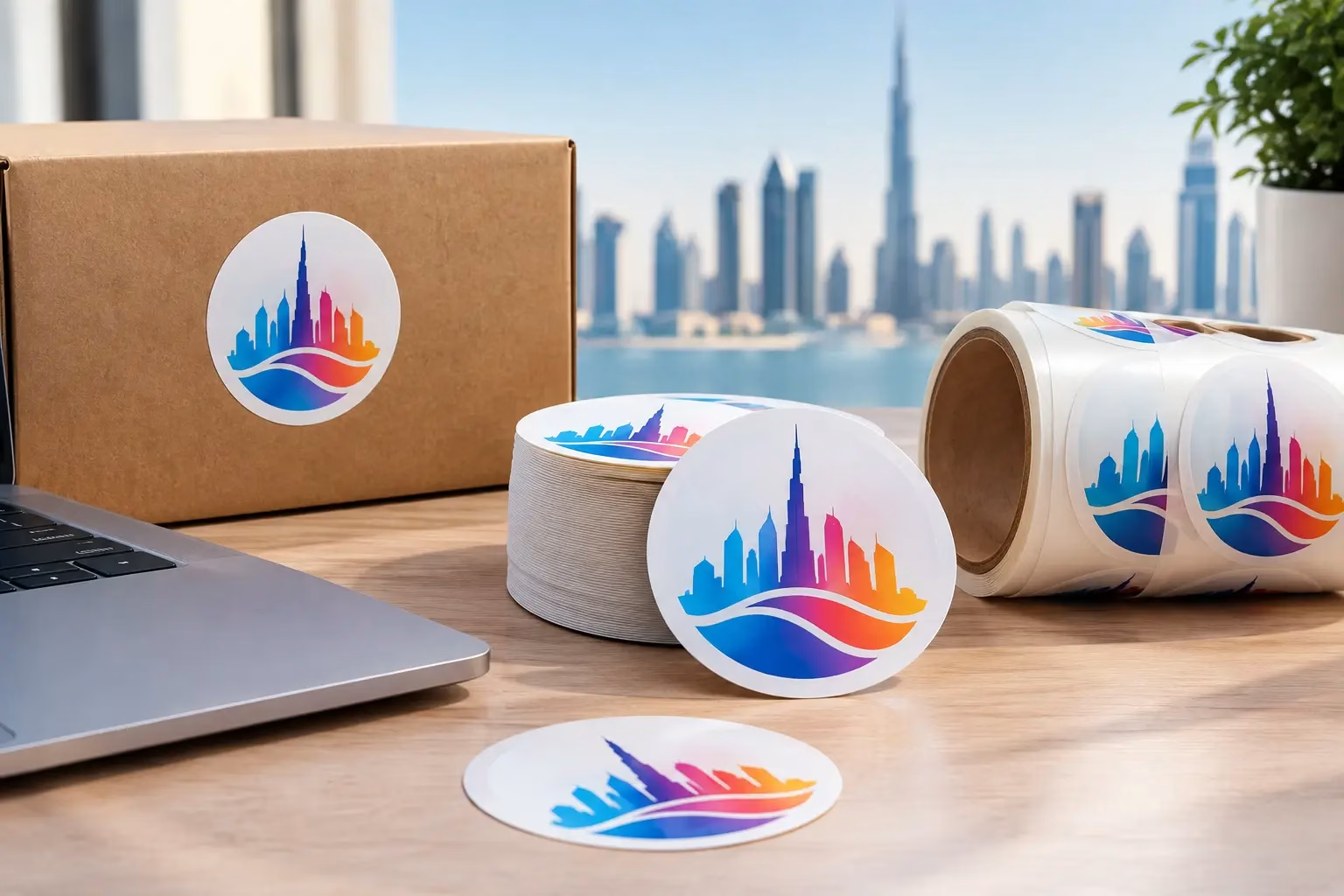
Get Round Sticker Printing in Dubai for product labels, events, and promotions. Choose durable materials, sharp color, custom sizes, and fast delivery.