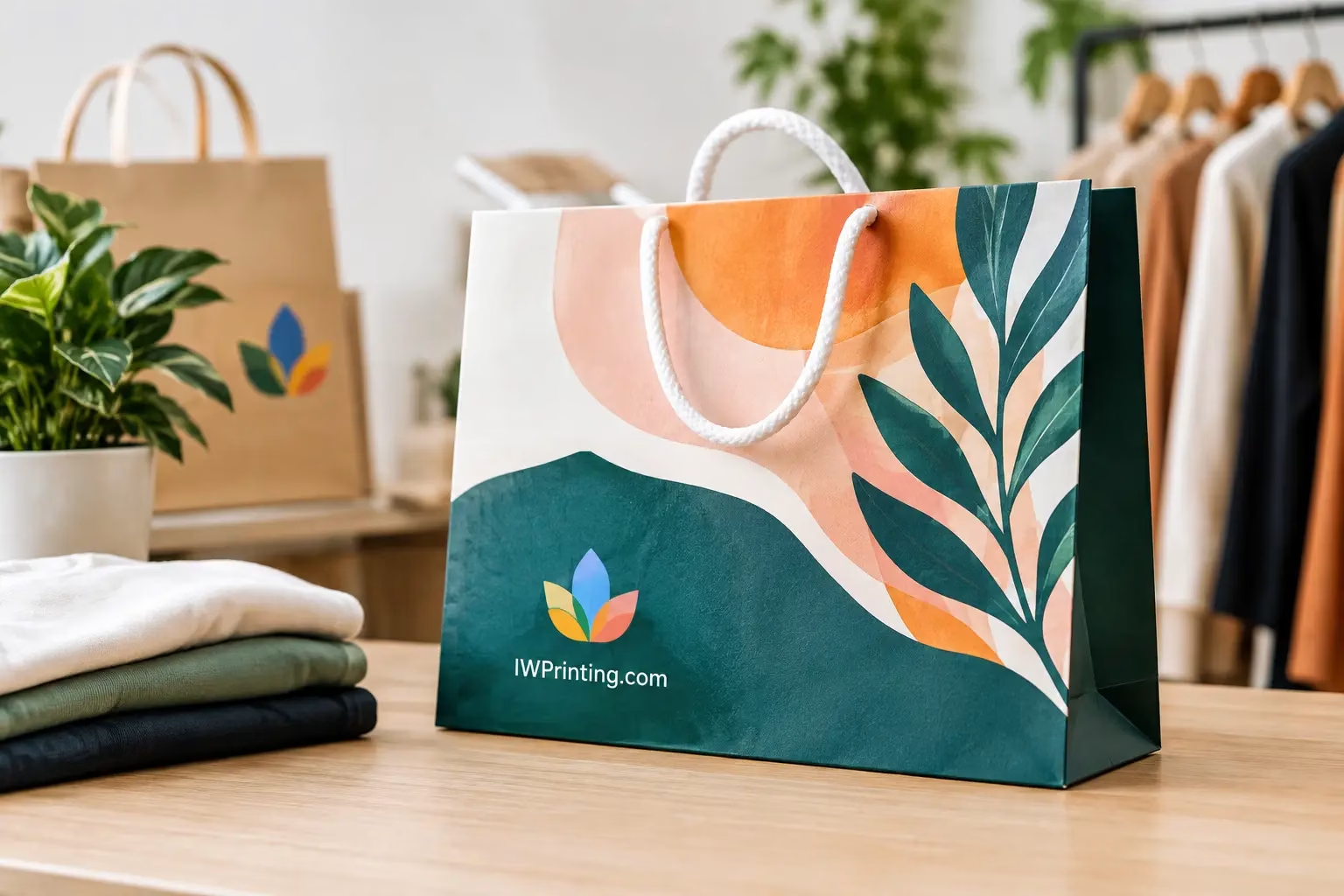
Shopping Bag Printing That Builds Brand Recall
Shopping bag Printing turns every purchase into brand exposure. Choose materials, sizes, finishes, and artwork that fit your product, budget, and customers.

A retail campaign can generate thousands of posters, labels, bags, menus, and display pieces in a single launch. When those materials are designed for a short life and discarded immediately afterward, print becomes an overlooked source of waste. Sustainable printing trends are changing that equation by helping businesses reduce material use, improve recyclability, and make smarter production decisions without sacrificing brand impact.
For buyers, sustainability is no longer limited to choosing recycled paper. It now affects the full print brief: artwork size, ink type, substrate, finishing, production quantity, transport, installation, and what happens after the campaign ends. The best choices depend on where the item will be used, how long it needs to last, and what a business wants customers to do with it afterward.
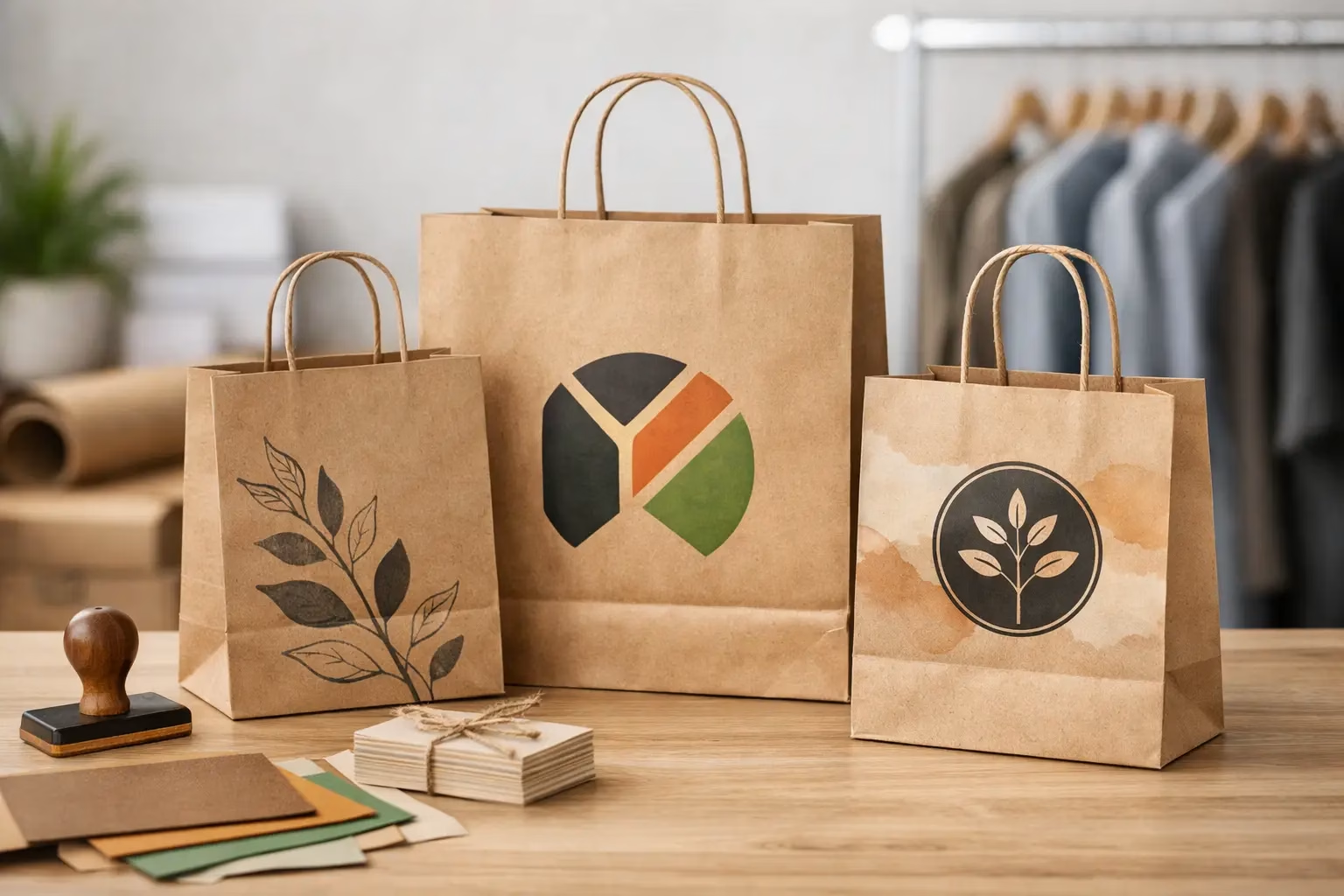
The strongest trend is simple: reduce waste before it enters production. Brands are reviewing every printed item and asking whether it needs to be printed, how many versions are genuinely required, and whether one durable format can replace several disposable ones.
For example, a restaurant may replace frequently reprinted paper menus with QR-led menus and a smaller number of durable table displays. A retailer may produce reusable promotion frames with interchangeable graphics instead of replacing entire displays each season. An event organizer may standardize directional signage sizes so panels can be reused across future events.
This approach often lowers spend as well as waste. Ordering less does not mean making less impact. It means using the right format, quantity, and material for the job.
Digital printing supports shorter production runs and versioned artwork, which helps businesses avoid ordering far more than they need. This is especially useful for seasonal packaging, event materials, restaurant promotions, real estate brochures, and campaigns with changing offers.
Traditional high-volume runs can offer a lower unit price, but that saving disappears if boxes of outdated brochures or labels are thrown away. Short-run production costs more per piece in some cases, yet it can be the more economical and responsible option when information changes frequently.
Variable data printing is part of this shift. Instead of producing one generic direct-mail piece for everyone, businesses can tailor names, branch details, offers, or QR codes by customer segment. Better relevance can improve response while reducing the need for broad, high-volume distribution.
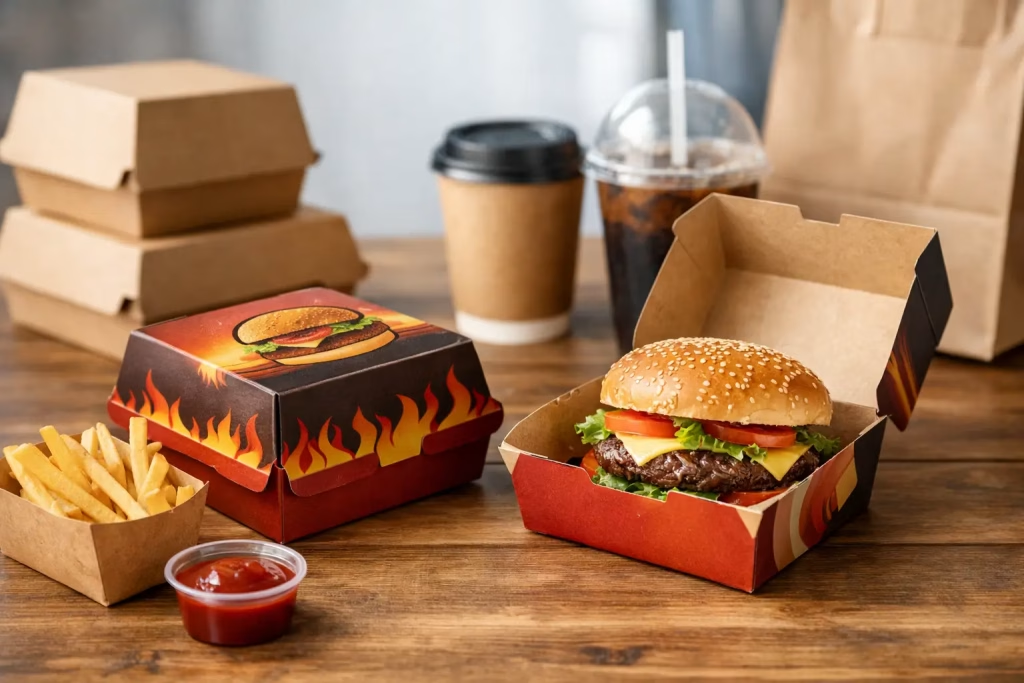
Paper remains one of the most practical sustainable print materials when specified correctly. Recycled-content paper can reduce demand for virgin fiber, while responsibly sourced paper supports better forestry practices. These options are now available in many weights and finishes suitable for business cards, flyers, folders, brochures, packaging sleeves, and corporate stationery.
However, recycled does not automatically mean right for every project. Paper shade, texture, opacity, and smoothness can vary. A heavily textured recycled stock may support a natural brand identity but may not reproduce tiny text or detailed photography as sharply as a coated stock. Luxury packaging may also need strength, rigidity, or a particular finish that calls for a different material choice.
The practical answer is to match the stock to the application. Choose uncoated recycled paper for everyday stationery, information sheets, and brand collateral where a tactile, natural appearance fits. Test samples for premium packaging, high-detail catalogs, or color-sensitive brand work before committing to a large order.
Inks, coatings, adhesives, and laminates can determine whether a printed piece is easier or harder to recycle. Many brands are moving toward water-based inks, low-VOC options, and finishing systems that use fewer harsh chemicals. These choices can be particularly relevant for indoor graphics, retail environments, hospitality interiors, packaging, and materials used around food service.
Finishing deserves close attention because it is easy to over-specify. A thick plastic laminate may add durability, but it can make a paper item difficult to recycle. Foil, metallic effects, spot coatings, and multi-layer constructions can create a premium look, yet they may complicate recovery at end of life.
That does not mean premium finishes should disappear. For a long-life presentation box, a durable finish may be justified. For a two-week promotional flyer, it usually is not. Good sustainable print planning puts the most complex treatments on items designed to be kept, reused, or displayed for a long time.
Packaging is one of the clearest areas where sustainable printing trends are visible. Customers increasingly notice oversized boxes, unnecessary inserts, hard-to-remove labels, and mixed materials that cannot be easily separated. Businesses are responding with right-sized packs, paper-based structures, simpler labeling, and fewer decorative components.
A well-designed package should protect the product, communicate the brand, and travel safely. Beyond that, every extra layer should earn its place. A custom printed mailer may replace a plain box plus separate branded insert. A single-color design can use less ink coverage while still looking distinctive. Clear recycling instructions can help customers dispose of the package correctly.
Material choice depends on the product. Paperboard and corrugated packaging work well for many retail, e-commerce, food, and corporate gift applications. Waterproof labels or flexible films may still be necessary for products exposed to moisture, oils, or rough handling. When plastic is required, the focus should be on using only what is needed and avoiding combinations that are difficult to separate.
Sustainability is not always about using the lightest or most natural-looking material. Outdoor signs, vehicle graphics, safety signage, construction boards, and wayfinding systems must perform in heat, sunlight, rain, cleaning routines, and heavy public use. A material that fails quickly and requires replacement can create more waste than a durable option designed for a longer service life.
The smarter question is not, “Is this material eco-friendly?” It is, “Will this material deliver the required lifespan with the least replacement and unnecessary material?” For permanent exterior signage, durable substrates and UV-resistant printing may be the responsible choice. For a one-day exhibition, lightweight reusable display systems, fabric graphics, or modular panels may be more appropriate.
Modular exhibition and retail displays are gaining traction because their frames can be retained while graphics are updated. This reduces the amount of hardware purchased for every campaign and makes storage, transport, and reconfiguration easier. It also gives businesses more flexibility when opening new locations or attending multiple events.



Sustainable print begins at the artwork stage. A few design decisions can reduce trimming waste, ink coverage, and reprints before the job reaches production.
Standard sizes are a good starting point. Designing flyers, labels, folders, and signage to work efficiently with common sheet or roll sizes can reduce offcuts. Keeping critical content away from trim edges reduces errors. Building adaptable templates for recurring campaigns makes it easier to update dates, offers, and locations without redesigning everything from scratch.
Color also affects production. Large areas of dense ink coverage can look powerful, but they may use more ink and show scuffing more easily. A thoughtful color strategy can maintain a strong brand appearance through white space, bold typography, selective color blocks, and well-placed graphics. This is not about making every design plain. It is about using print effects where they create real value.
Proofing is another practical waste-reduction tool. Reviewing a physical sample or accurate production proof is especially valuable for packaging, brand colors, large-format graphics, and complex finishing. Catching an incorrect phone number, a missing logo, or an unsuitable material before full production prevents expensive reprints and missed deadlines.
A print supplier should be able to discuss sustainability in practical production terms, not just offer a generic green label. Ask about available paper stocks, suitable low-impact inks, minimum order quantities, material durability, finishing options, and whether a product can be designed for reuse or easier disposal.
It also helps to work with a partner that can manage design, printing, fabrication, installation, and delivery in one coordinated process. Fewer handoffs can reduce mistakes, avoid duplicated production, and make it easier to select materials that suit the full project rather than one isolated component.
At IWPrinting.com, projects can be planned around the real business need, whether that means short-run brochures, reusable exhibition displays, custom packaging, retail graphics, or durable signage. The goal is not to force every order into one material category. It is to deliver professional branding with sensible quantities, reliable production, and specifications that fit the job.
The most useful next step is to review your next print order before approving artwork. Ask what can be reused, what can be reduced, and what needs to last. Small decisions made early can create a cleaner campaign, a more efficient budget, and a better experience for the people who receive your brand materials.
Shopping bag Printing turns every purchase into brand exposure. Choose materials, sizes, finishes, and artwork that fit your product, budget, and customers.
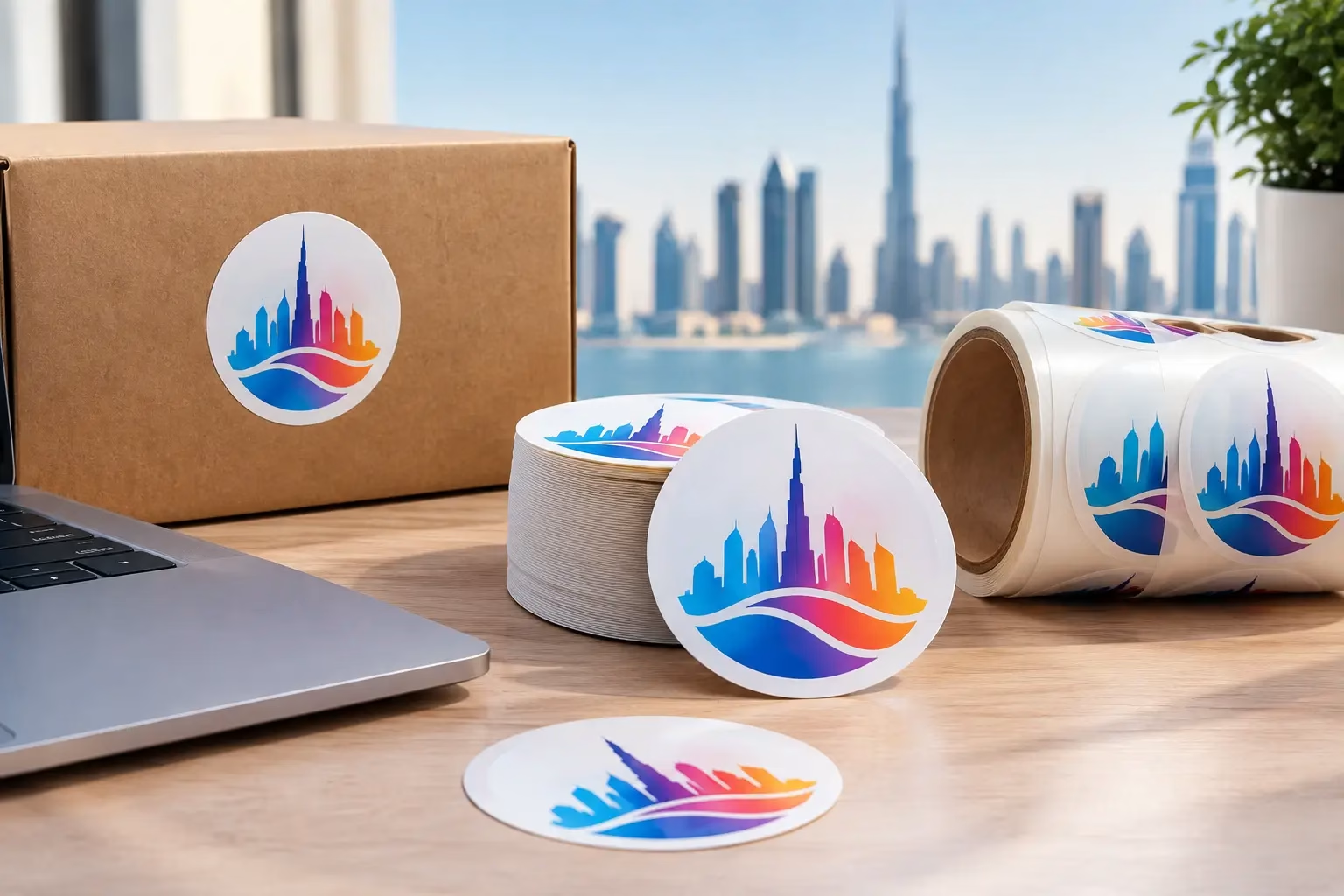
Get Round Sticker Printing in Dubai for product labels, events, and promotions. Choose durable materials, sharp color, custom sizes, and fast delivery.