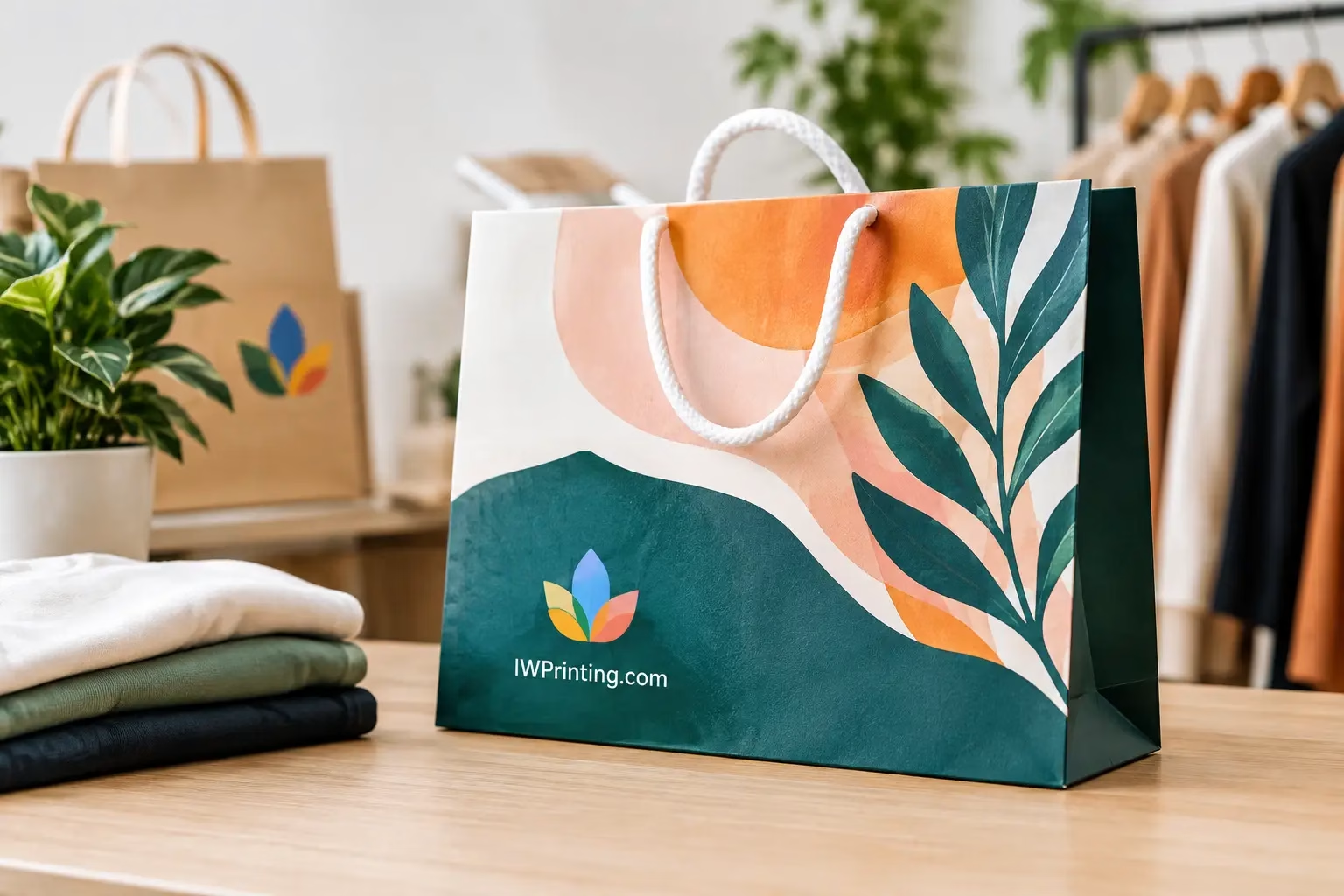
Shopping Bag Printing That Builds Brand Recall
Shopping bag Printing turns every purchase into brand exposure. Choose materials, sizes, finishes, and artwork that fit your product, budget, and customers.

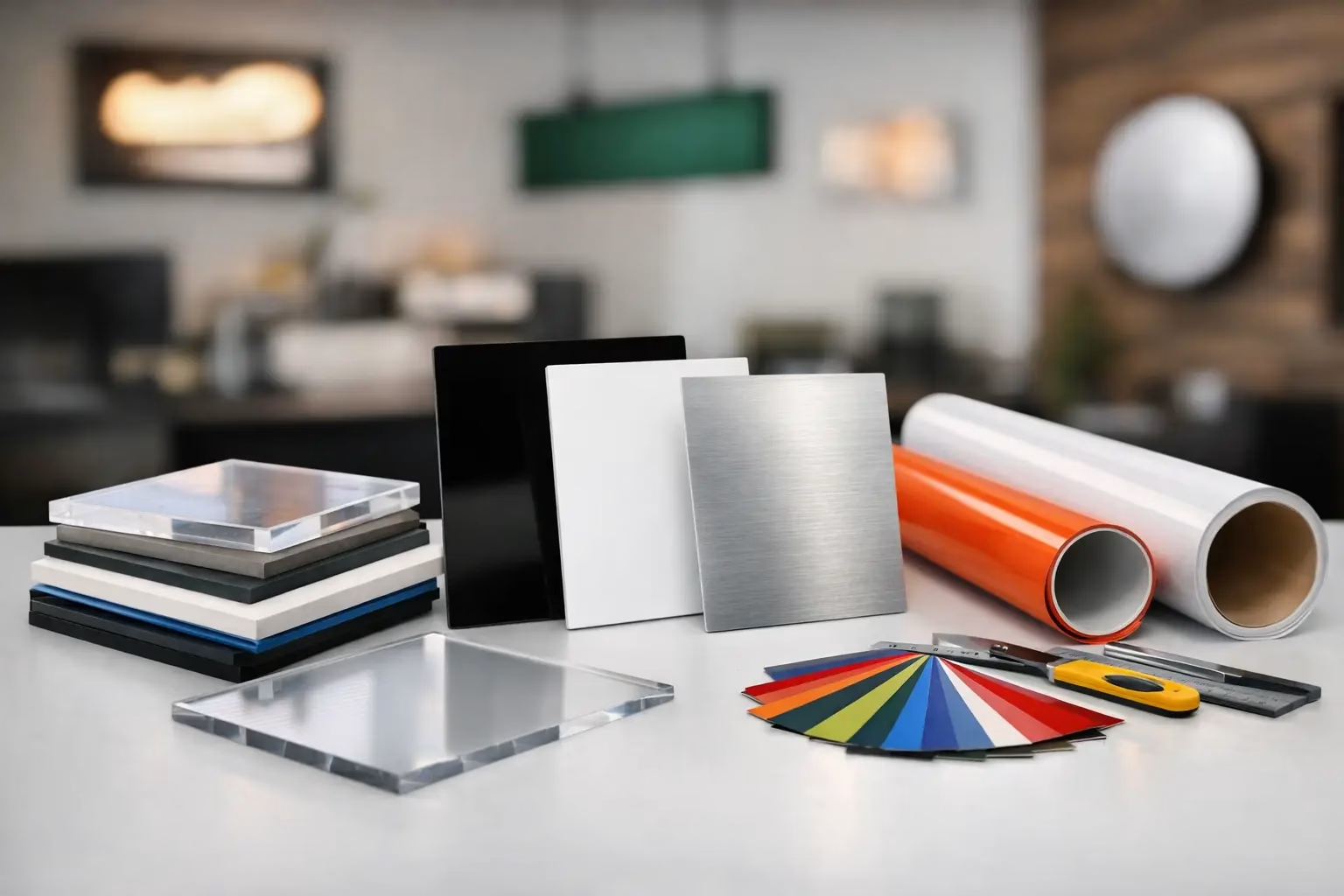
A sign can have excellent artwork and still disappoint if the material is wrong. A paper poster placed near a busy entrance will quickly look tired. A lightweight board used outdoors may bend, fade, or fail in wind. This signage material guide helps business owners, marketing teams, and project managers choose materials that match the location, lifespan, budget, and purpose of each sign.
The right choice is rarely about selecting the most expensive option. It is about paying for the performance you actually need. A short retail promotion, a permanent building sign, a construction safety board, and an exhibition backdrop all require different materials, finishes, and installation methods.

Location is the first filter. Indoor signs are protected from sun, rain, dust, and major temperature changes, giving you more flexibility with paper, foam board, acrylic, fabric, and adhesive graphics. Outdoor signs need stronger materials and weather-resistant printing, especially where direct sun, heat, wind, moisture, or frequent cleaning are factors.
Also consider how people will interact with the sign. A wall logo in a reception area is viewed up close and should feel premium. A storefront sign must be visible from a distance and remain readable in changing daylight. A directional sign in a mall or office needs clear messaging and a finish that is easy to maintain.
Before approving production, define four practical details: how long the sign will be displayed, whether it is indoors or outdoors, the viewing distance, and how it will be installed. These answers narrow the material options quickly and help avoid unnecessary replacement costs.
PVC foam board is a popular choice for indoor branding, promotional displays, menu boards, directional signs, and temporary event signage. It is lightweight, smooth, and economical, making it a practical option when you need good print quality without a high material cost.
It works best in protected environments. While it can be used for short-term outdoor applications, it is not the strongest choice for exposed locations or large unsupported panels. For a campaign lasting a few days or weeks, it can be excellent value. For permanent outdoor use, consider a more durable substrate.
Aluminum composite panel, often called ACP, combines a solid core with aluminum outer layers. It is rigid, flat, weather-resistant, and well suited to outdoor signboards, shop fascias, property signage, wayfinding panels, and construction site signs.
ACP is a dependable choice when durability matters, but it is heavier and generally costs more than PVC foam board. It is also better suited to fixed installations than frequent transport. If your sign needs to survive heat, sun exposure, and regular outdoor conditions, ACP is often worth the higher initial investment.
Acrylic creates a clean, premium appearance for office reception signs, door plaques, wall logos, menu displays, donor boards, and retail branding. Available in clear, frosted, colored, and printed options, it can be cut into custom shapes and mounted with stand-off fixings for a professional finish.
Acrylic is more refined than foam board, but it needs careful handling. It can scratch or crack if installed incorrectly, and large pieces may require extra support. It is ideal when appearance carries as much weight as information, particularly in corporate offices, clinics, hospitality spaces, and showrooms.
Vinyl is one of the most flexible signage materials because it can be applied to walls, windows, floors, vehicles, counters, and many smooth surfaces. Printed vinyl is useful for promotional graphics, while cut vinyl is commonly used for window hours, logos, lettering, and simple directional messages.
For windows, the right vinyl depends on the goal. Clear vinyl keeps the view open, frosted vinyl adds privacy, and perforated one-way vision vinyl allows graphics on the outside while preserving visibility from inside. Quality adhesive and proper surface preparation matter as much as the print itself. Dust, texture, moisture, or weak paint can reduce adhesion.
Vinyl banners are effective for outdoor promotions, events, building wraps, temporary announcements, and construction branding. Frontlit banner is a common all-purpose material for printed banners. Mesh banner has tiny perforations that allow wind to pass through, making it a smarter choice for exposed fences, scaffolding, and large outdoor installations.
Fabric banners are better suited to exhibitions, stage backdrops, retail interiors, and premium events. They produce a softer, less reflective finish than vinyl and are easier to transport in many cases. The trade-off is that fabric is usually less suitable for prolonged exposure to rain and rough outdoor handling.
Corrugated plastic is lightweight, water-resistant, and budget-friendly. It is often used for temporary real estate signs, election signage, short-term promotions, site notices, and directional signs. Its fluted structure makes it easy to mount on simple frames or stakes.
This material is useful when quantity and speed matter more than a luxury finish. It is not designed for long-term premium branding, and strong wind can affect larger panels. Still, for short campaigns and temporary operational signage, it delivers a practical balance of price and performance.
When a business needs visibility after dark or wants to make a stronger first impression, 3D lettering and illuminated signage are often the answer. Materials can include acrylic, stainless steel, aluminum, PVC, and LED components. Options range from flat-cut letters to front-lit, backlit, and halo-lit signs.
These signs require more planning than printed panels. Letter depth, electrical access, mounting surface, viewing angle, and local installation requirements all affect the final result. They cost more upfront, but for storefronts, corporate buildings, hospitality venues, and high-traffic retail locations, they can provide long-term brand value and stronger visibility.
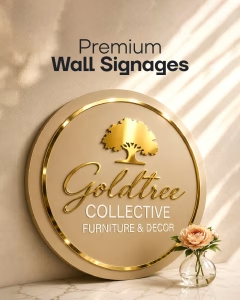
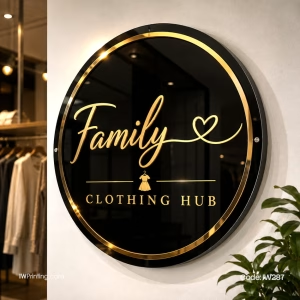

A material is only part of the decision. Lamination, paint, mounting hardware, and print method can change how a sign performs. A matte finish reduces glare and is often better for signs viewed under bright indoor lighting. A gloss finish can make colors appear more vivid, but reflections may affect readability on windows or under spotlights.
For outdoor printed graphics, UV-resistant inks and protective lamination help reduce fading, scratches, and moisture damage. For acrylic and metal signs, routed edges, polished finishes, and concealed fixings can make a standard sign look more premium. These details are especially worthwhile for customer-facing spaces where visitors will see the sign at close range.
The larger the sign, the more important rigidity becomes. A small PVC board may look perfectly flat on a counter, while a large panel of the same material could bow over time. Large outdoor signs may need ACP, a frame, reinforced edges, or professional installation to stay secure and presentable.
Viewing distance also affects design. A sign read from across a parking area needs larger text and stronger contrast than a desk sign. Avoid placing too much information on a single board. If customers cannot understand the main message in a few seconds, changing the material will not solve the problem.
For directional and safety signs, clarity should lead the decision. Use high-contrast colors, readable type, and materials that withstand the cleaning routine and traffic level of the site. In healthcare, education, warehouses, and public facilities, functional signage often has to perform every day, not simply look attractive at installation.
A low-cost substrate can become expensive if it needs early replacement. On the other hand, specifying premium materials for a two-day event can waste budget that could be used for larger graphics, better lighting, or more locations. The best choice depends on the sign’s expected working life.
Ask for a quotation that includes artwork preparation, printing, finishing, fabrication, delivery, and installation where needed. This gives you a more accurate comparison than pricing materials alone. It also helps identify practical requirements such as drilling, frames, stand-offs, electrical work, or surface preparation before the project is underway.

Signage decisions become easier when design, material selection, fabrication, and installation are handled as one coordinated process. IWPrinting.com helps businesses select practical materials for everything from temporary campaign graphics to permanent office, retail, and outdoor signage, with professional production and dependable delivery.
Bring a photo of the installation area, the required dimensions, your expected display period, and any brand guidelines to the planning stage. Those few details allow a signage team to recommend a solution that looks right on day one and continues to represent your business well for as long as it needs to.
Shopping bag Printing turns every purchase into brand exposure. Choose materials, sizes, finishes, and artwork that fit your product, budget, and customers.
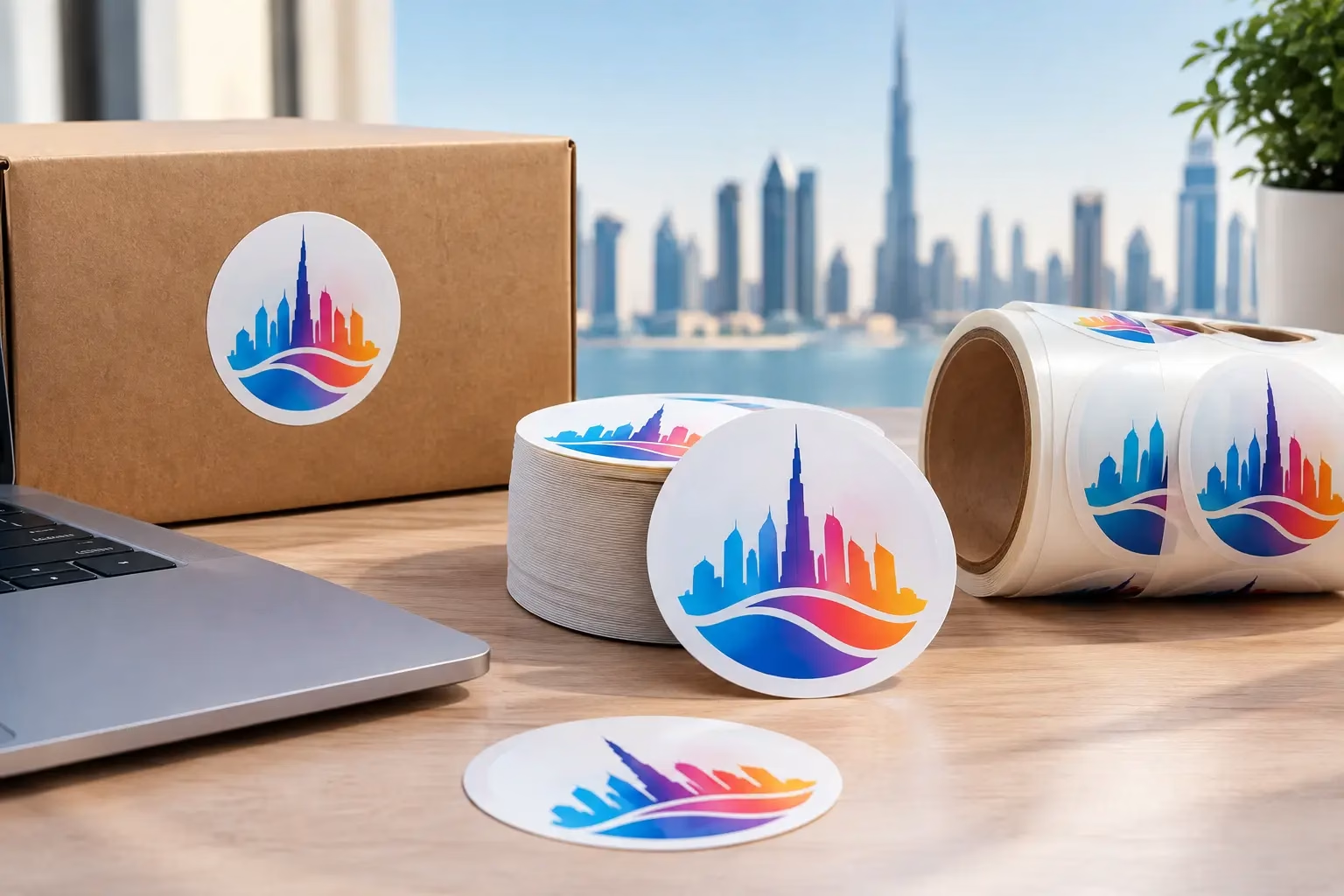
Get Round Sticker Printing in Dubai for product labels, events, and promotions. Choose durable materials, sharp color, custom sizes, and fast delivery.