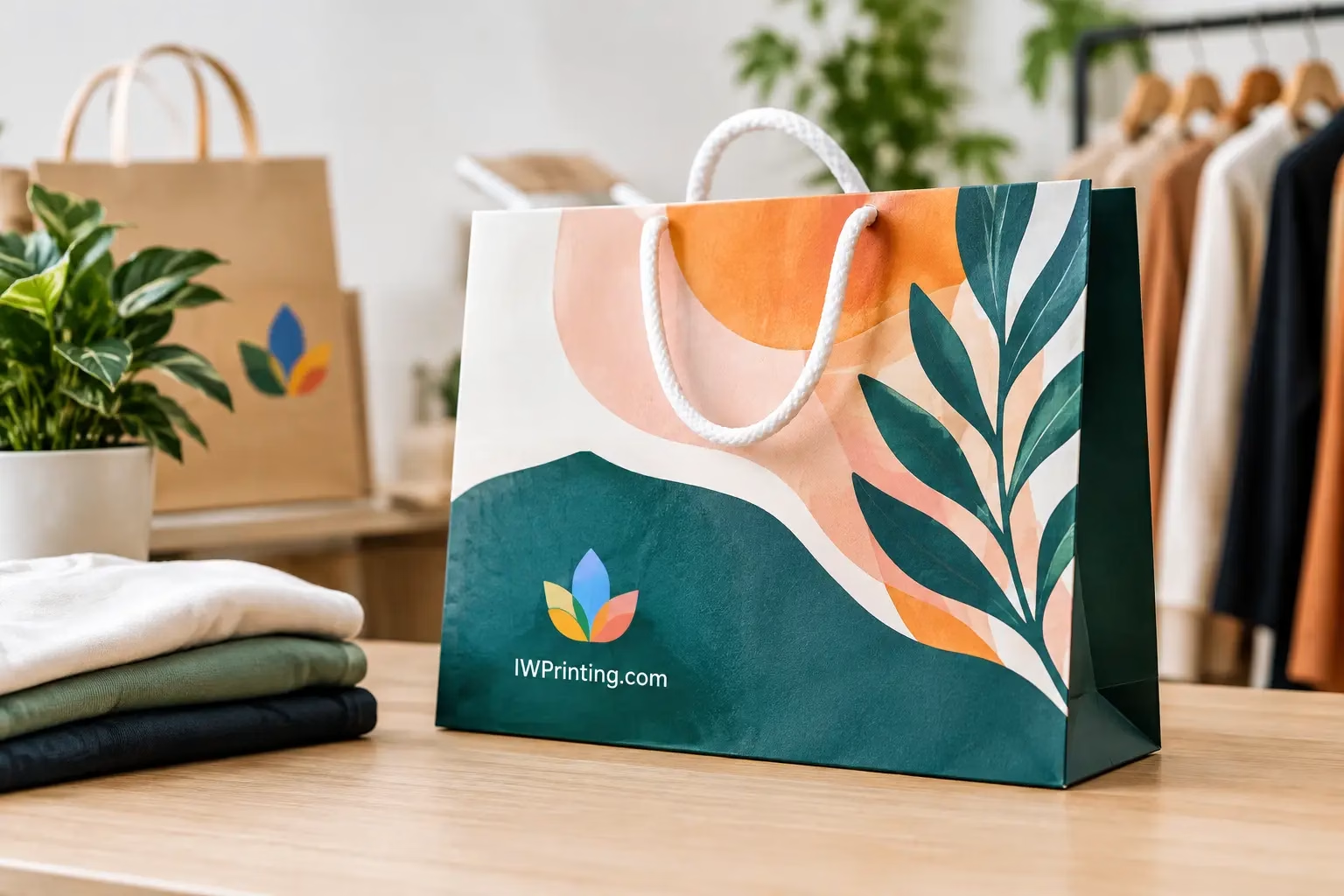
Shopping Bag Printing That Builds Brand Recall
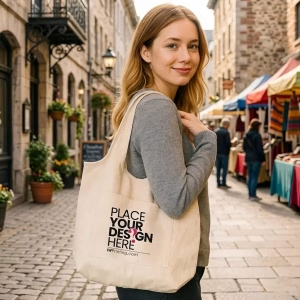
Shopping bag Printing turns every purchase into brand exposure. Choose materials, sizes, finishes, and artwork that fit your product, budget, and customers.


A branded tote bag arriving after the exhibition closes is not a promotional product – it is an expensive storage item. The same is true for mugs with faded logos, giveaway pens that stop working, or shirts printed in the wrong shade. Choosing a promotional products supplier is about more than finding the lowest unit price. It is about finding a production partner that protects your deadline, brand standards, and budget.
For businesses ordering merchandise for events, employee onboarding, customer gifts, retail promotions, or corporate campaigns, the right supplier makes the process easier from artwork approval through final delivery. The wrong one can create delays, rework, and products your audience never wants to use.
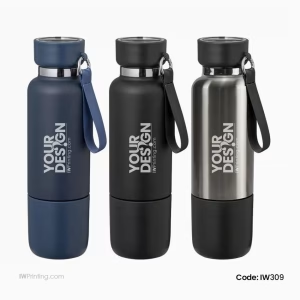
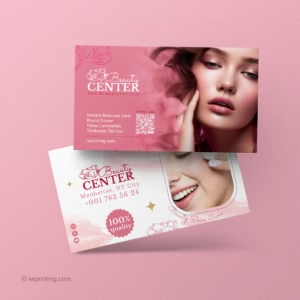
A supplier should be able to turn a business objective into a practical product recommendation. That begins with asking the right questions: Who will receive the item? Where will it be used? How many are needed? Is the goal brand visibility, customer appreciation, lead generation, or employee recognition?
A notebook may be an excellent choice for a training program but less effective than a reusable bottle for a fitness event. A premium gift box may suit key clients, while a high-volume campaign may need affordable pens, lanyards, stickers, or tote bags. Product selection should follow the campaign, not simply what happens to be in stock.
The best suppliers also make customization clear. They explain available print methods, logo placement, color limitations, material options, setup requirements, and lead times before production begins. A quote should identify what is included, such as printing, packaging, artwork support, delivery, and any applicable setup charges. Clear information helps buyers compare options accurately and avoid unexpected costs later.
Low pricing can be useful, particularly for large giveaway quantities, but it should not be the only deciding factor. A promotional item carries your name. If it feels flimsy or looks poorly printed, the recipient connects that experience with your company.
Ask to see product samples or recent production examples when the order is significant or the item is new to your brand. Look beyond the catalog photo. Check the weight and finish of the product, the print sharpness, how accurately colors reproduce, and whether the logo placement feels balanced. For apparel, confirm fabric quality, sizing, and wash performance. For drinkware, check lid fit, insulation claims, and print durability.
Material choice matters as well. A low-cost plastic item may be right for a short campaign with wide distribution. For an executive gift, it may send the wrong message. Reusable products, durable stationery, quality apparel, and useful desk accessories often stay in circulation longer, creating more brand impressions over time.
It also helps to discuss realistic color expectations. Screen printing, UV printing, embroidery, engraving, and digital printing produce different results on different surfaces. A dependable supplier will explain these differences rather than promising an exact match where the material or method makes that impossible.


A supplier that handles a small batch of personalized gifts well may not have the production capacity for 10,000 event giveaways. Likewise, a large-volume provider may not be the best fit when you need detailed personalization for a senior leadership team. The right choice depends on quantity, customization level, and turnaround time.
Before placing an order, share the real delivery date, not just the event date. Products may need to be packed into welcome kits, distributed to branches, or delivered to a venue before the doors open. Build time into the plan for artwork approval, sample review when needed, production, quality checks, and shipping.
Fast turnaround is valuable, but rush production can involve trade-offs. Your preferred color may not be available immediately, certain decoration methods may take longer, and premium finishing may need additional time. A good supplier will offer workable alternatives instead of giving vague assurances. For example, switching from embroidery to high-quality print may shorten production for a large apparel order, while changing the product model may help meet an urgent campaign date.
For repeat programs, ask whether the supplier can keep approved artwork, product specifications, and brand color references on file. Easy reordering reduces administrative work and helps maintain consistency across multiple locations and campaigns.
Promotional merchandise is often ordered by marketing teams, office managers, procurement teams, event coordinators, and business owners. Not every buyer has print-ready artwork or knows which file format is required. That should not become a barrier to getting professional results.
Choose a supplier that can review artwork before production and flag issues early. A logo that looks sharp on a website may be too detailed for a small pen barrel. Fine text can disappear on embroidered caps. A full-color graphic may need adjustment for screen printing. Small decisions at the artwork stage prevent a much larger problem after hundreds of items have been produced.
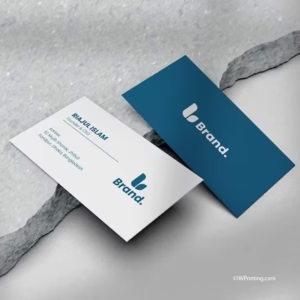
Design support is especially valuable when products are part of a broader campaign. Matching merchandise with business cards, event backdrops, exhibition displays, packaging, signage, and branded apparel creates a more consistent customer experience. IWPrinting.com can support this kind of coordinated production, helping businesses manage multiple branded items through one reliable partner rather than juggling separate vendors.
A brief conversation can reveal whether a supplier is prepared to manage your project professionally. Ask how they confirm artwork approval, whether they provide a digital proof, what quality checks happen before dispatch, and how they handle damaged or incorrect items. Also ask about minimum order quantities, production time, delivery coverage, and payment terms.
For custom corporate gifts, ask whether individual names, departments, or messages can be added. Personalization can make an item more meaningful, but it also requires careful data handling and proofing. Provide recipient names in a clean spreadsheet and allow time for review before production.
For large campaigns, ask about split deliveries and packaging. If giveaways need to reach several offices or event locations, a supplier that can label cartons clearly and coordinate deliveries can save your team hours of manual sorting. This is particularly helpful for multi-location launches, staff appreciation programs, and exhibitions with tight setup windows.
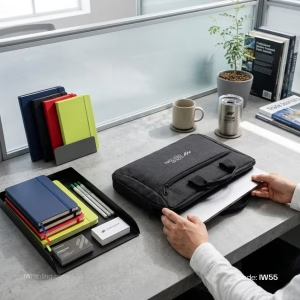
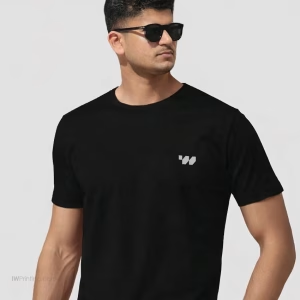
The most effective promotional product is not always the most expensive one. It is the item that fits naturally into the recipient’s routine. A reliable travel mug, useful notebook, well-made tote, phone accessory, desk organizer, or comfortable T-shirt can generate repeated exposure because it remains useful after the initial campaign ends.
Think about the setting. Hospitality businesses may benefit from practical guest-facing items. Real estate teams may need premium folders, key holders, and branded welcome gifts. Schools and training centers can use notebooks, bottles, badges, and apparel. Trade show exhibitors often need a mix of quick handouts for visitors and higher-value gifts for qualified prospects.
Avoid choosing an item only because it is trending. A product that has no connection to your audience, brand, or campaign can feel disposable. Useful, well-presented merchandise with a clear logo treatment generally performs better than a novelty item that is forgotten by the next day.
A dependable promotional products supplier should make ordering feel organized from the first quote to final delivery. You should know what you are buying, when it will arrive, how it will look, and who to contact if requirements change. That confidence is worth more than a small saving on a quote that leaves key details unclear.
Start with one focused brief: product purpose, quantity, budget range, artwork, delivery location, and required date. With the right partner, that brief becomes merchandise people are pleased to receive, use, and remember.
Shopping bag Printing turns every purchase into brand exposure. Choose materials, sizes, finishes, and artwork that fit your product, budget, and customers.
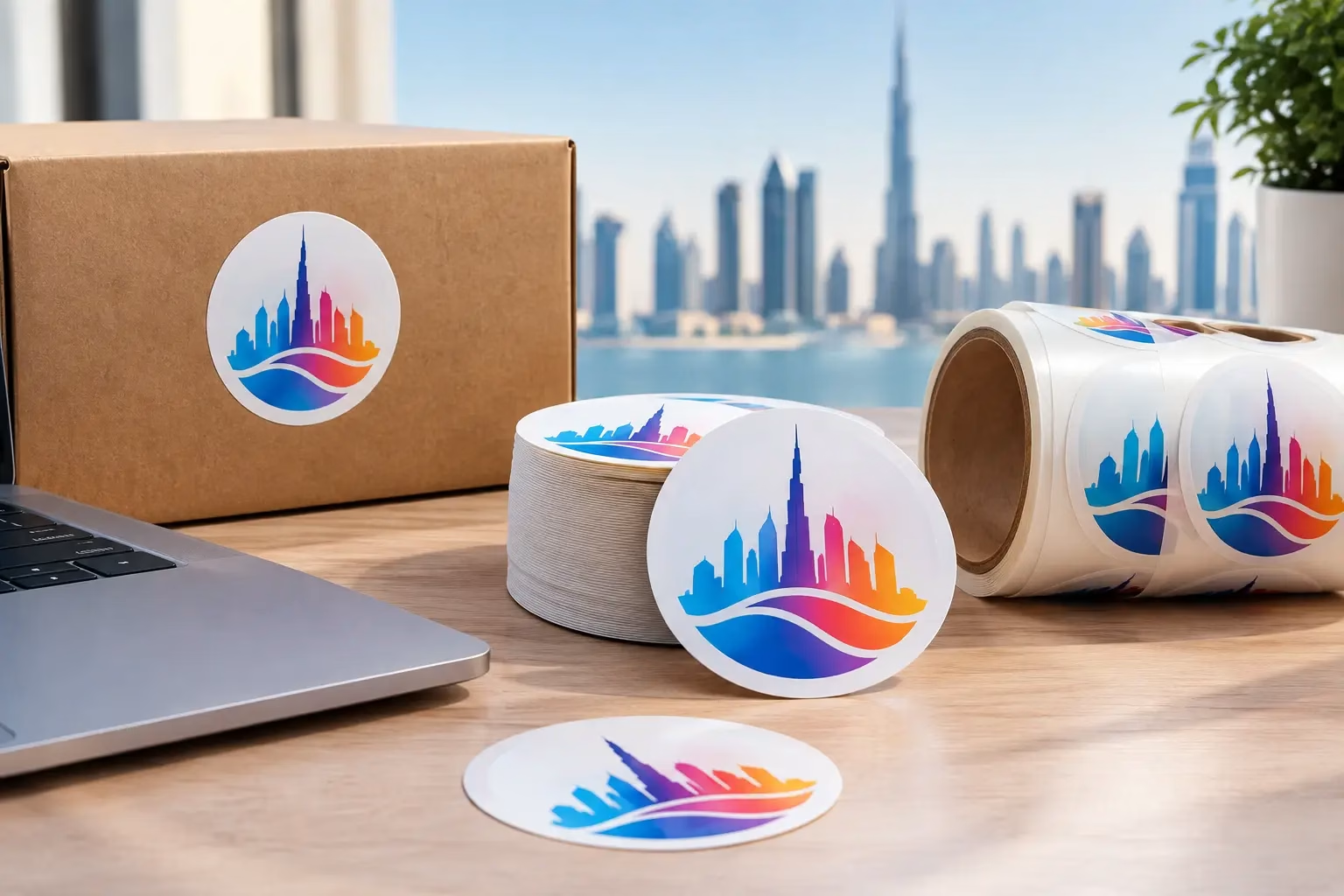
Get Round Sticker Printing in Dubai for product labels, events, and promotions. Choose durable materials, sharp color, custom sizes, and fast delivery.