A delivery order can arrive hot, fresh, and on time yet still disappoint a customer if the container leaks, the bag tears, or the branding feels like an afterthought. This restaurant packaging design guide helps food businesses create packaging that protects the meal, supports efficient operations, and makes every pickup or delivery feel more professional.
For restaurants, cafes, bakeries, cloud kitchens, and catering brands, packaging is not simply a container. It is the last in-person brand touchpoint before a customer eats. The right choices improve order accuracy, reduce complaints, make staff packing easier, and give customers a reason to remember where their meal came from.
Start With the Food, Not the Artwork
The most attractive box is a poor investment if it cannot handle the food inside it. Begin every packaging project by reviewing your menu categories, portion sizes, holding times, and delivery distance. A crisp fried item, a saucy pasta, a layered dessert, and an iced drink each need very different protection.
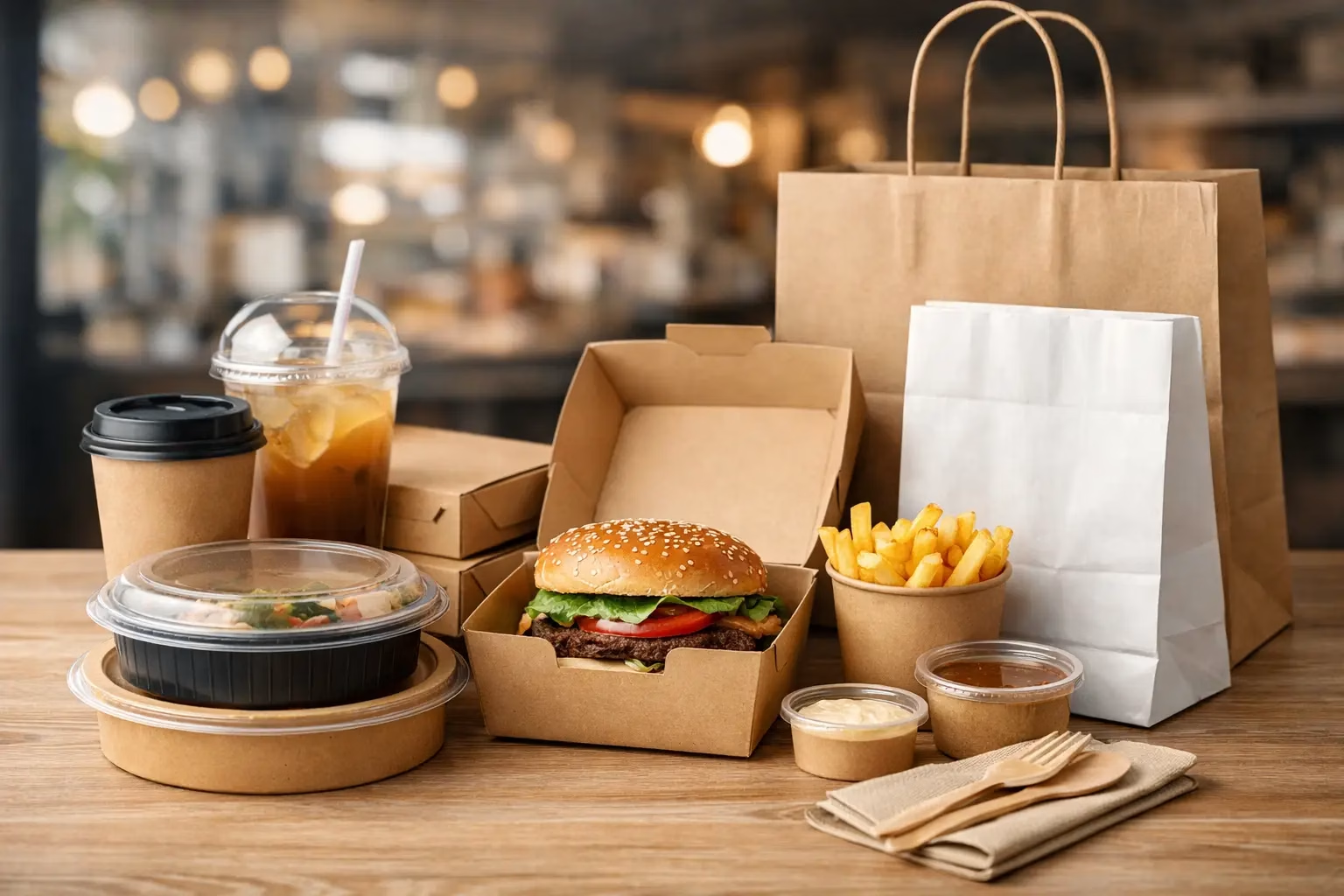
Hot foods release steam. If that moisture has nowhere to escape, fries become soft and breaded chicken loses its texture. Ventilated paperboard boxes can help, but too much ventilation may allow heat to escape on longer trips. For curries, soups, and dressings, prioritize leak-resistant bowls or containers with secure lids and tested seals. A tamper-evident sticker or label adds reassurance, especially for third-party delivery orders.
Cold drinks and desserts need another level of planning. Condensation can weaken paper carriers, blur labels, and make a package uncomfortable to hold. Choose cup materials, lids, and drink carriers that suit the temperature and travel time. If a product contains sauces or toppings, consider separate compartments so the customer receives it as intended.
Before ordering a large run, pack real menu items and test them. Hold the order for the same length of time as a typical delivery, place it in a delivery bag, and check for leaks, sogginess, movement, and heat loss. This simple test often reveals problems that look invisible on a flat packaging sample.
Choose Materials That Match Service and Budget
Packaging material affects food safety, perceived quality, printing options, unit cost, and disposal. There is no single best choice for every restaurant. A fast-casual lunch concept may need an economical, stackable solution, while a premium dessert brand may benefit from rigid boxes that protect presentation and support a higher price point.
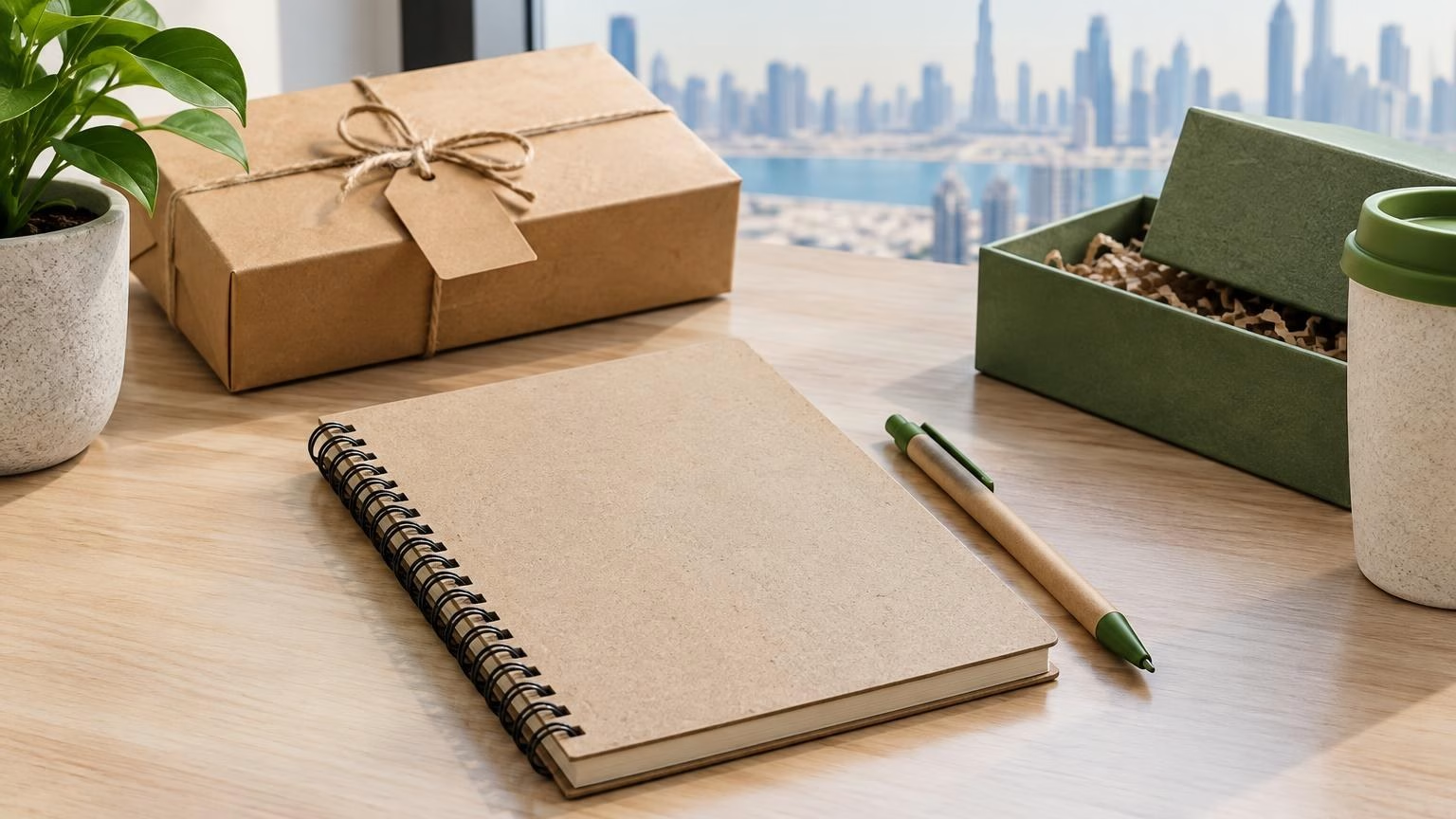
Paper bags, folding cartons, food boxes, paper cups, and grease-resistant wraps work well for many takeaway menus. They are lightweight, practical for branding, and available in a broad range of sizes. Kraft finishes can create a natural, casual look, while white stock gives colors and product photography a cleaner, sharper appearance.
Plastic or PET containers can be useful when food visibility, strong seals, or moisture resistance matter most. They are often practical for salads, cold desserts, and prepared meals. However, restaurants should consider local disposal requirements and customer expectations before selecting them as a default option.
Compostable and recyclable materials can support sustainability goals, but claims should be accurate. A compostable container may require commercial composting facilities that are not available to every customer. A recyclable pack can be less useful if food contamination makes it difficult to recycle. Clear disposal instructions on the packaging can be more credible than broad environmental statements.
Cost should be assessed as a total operational cost, not only as a per-piece price. A slightly stronger container can prevent leaks, refunds, remakes, and poor reviews. On the other hand, adding premium finishes to a high-volume, low-margin item may not deliver a meaningful return. Match the packaging investment to the product value and how customers experience it.
Restaurant Packaging Design Guide: Build a Clear Brand System
Once performance is right, create a visual system that customers can recognize quickly. Many restaurants make the mistake of trying to place every menu item, social message, promotion, and brand promise on a small bag or box. Crowded packaging is harder to read and usually looks less premium.
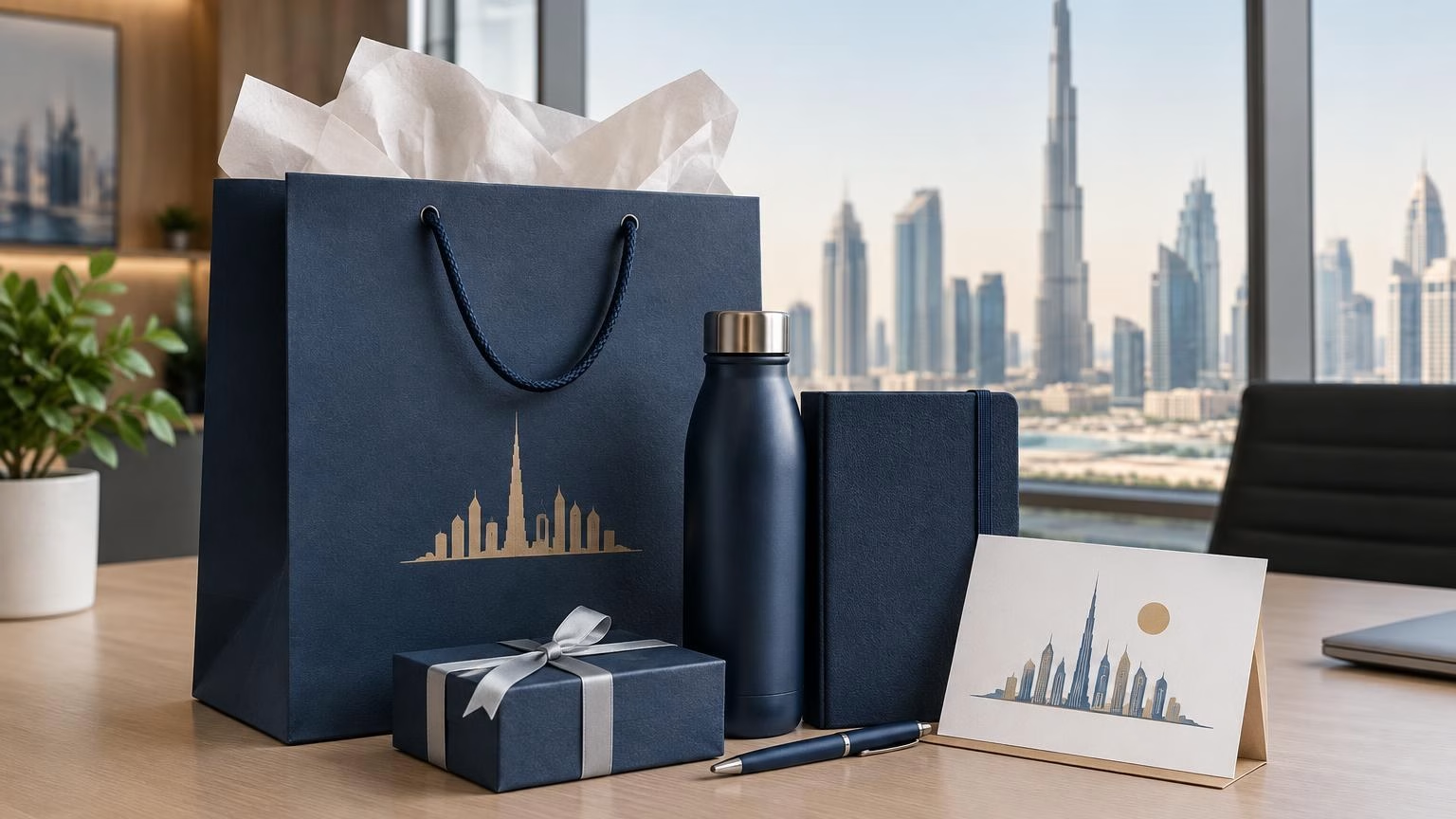
Focus on the essentials: your logo, a clear brand color palette, readable type, and one memorable visual element. That could be an illustration, a pattern, a short line of copy, or a distinctive color block. Consistency matters more than complexity. A branded cup, food box, paper bag, napkin, and sticker should look like they belong to the same restaurant.
Think about where customers will see each surface. A logo placed on the front of a bag is visible during pickup. A seal sticker on a bowl lid is seen just before eating. The inside of a dessert box creates a small reveal moment. Use these spaces with purpose rather than repeating the same design on every panel.
Print colors should also be selected for production, not only for a digital screen. Bright shades, fine lines, and large areas of solid ink can appear different across materials. Supply your printer with approved brand colors and request a sample where color accuracy is critical. A simple one- or two-color design can be cost-effective and highly recognizable when used consistently.
Make Ordering Easy for Customers and Staff
Packaging design must support fast service behind the counter. If staff need to guess which container fits each dish, orders slow down and mistakes increase. Standardizing a practical range of sizes can simplify storage, training, and reordering.
Use labels to make each order easy to identify. Include the customer name or order number, item name, dietary notes, and preparation time when relevant. For meal-prep brands, labels can also show ingredients, allergens, storage instructions, and use-by dates. Keep text large enough to read quickly in a busy kitchen.
Allergen communication needs special care. Packaging can support safer handling, but it cannot replace disciplined kitchen procedures. Use clear labels for common allergens and build a process that separates customized or allergen-sensitive orders during packing. Avoid vague phrases that could create false confidence.
For delivery, include only what the customer needs. Cutlery, napkins, sauces, and condiments should be available when requested, but automatically adding them to every order increases material use and packing time. A simple request option at checkout can reduce waste without affecting the customer experience.
Use Finishes and Extras Where They Add Value
Special finishes can help a restaurant stand out, but they should serve a business purpose. A matte finish can make a premium brand feel refined. Spot UV, foil details, embossing, and custom die-cut shapes can add impact for gift boxes, seasonal promotions, and high-value catering orders. These choices may be less suitable for everyday high-volume packaging where speed and unit economics matter more.
Stickers are one of the most flexible branding tools for new or growing food businesses. They can seal bags, mark flavors, identify dietary options, or turn plain stock packaging into a branded order. This is particularly useful when menu sizes change often or when a business wants to test a new concept before committing to fully printed boxes.
Custom inserts can also improve the experience. A small thank-you card, reheating instruction card, or loyalty offer may encourage repeat orders. Keep it relevant. Customers appreciate helpful information, not extra paper that immediately goes into the trash.
Check These Details Before Production
Before approving packaging artwork, confirm the practical specifications with your production partner. This reduces delays and makes quotes easier to compare:
- Final dimensions, including depth, lid style, and usable interior space
- Food-contact suitability, grease resistance, and temperature requirements
- Print method, color count, finish, and artwork file setup
- Minimum order quantity, lead time, storage needs, and reorder schedule
- Delivery testing requirements, including seals, stacking, and bag compatibility
Ask for a physical prototype whenever the packaging is custom-shaped or carries heavier food. A digital proof confirms layout, but it cannot show whether a handle feels comfortable, a lid closes securely, or a box stacks properly during a rush.
Plan for Reordering Before You Launch
The best packaging program is designed for consistency over time. Track weekly usage by item, keep a sensible buffer for busy periods, and review stock before promotions or seasonal events. Running out of branded packaging can force a restaurant to use mismatched alternatives at exactly the moment order volume increases.
Keep your final artwork, material specifications, and approved samples organized. This makes reordering faster and helps maintain color and quality across future batches. For businesses managing multiple locations, standardized packaging also creates a more reliable customer experience from one outlet to the next.
IWPrinting.com can support businesses that need custom food packaging, branded paper cups, stickers, bags, labels, and promotional print materials with professional design support and dependable production. The goal is not to make packaging more complicated. It is to make every order easier to pack, safer to transport, and more recognizable when it reaches the customer.
Start with one high-volume item, test it under real delivery conditions, and improve from there. A well-designed package earns its place not because it looks impressive on a shelf, but because it arrives intact, works without fuss, and makes customers feel confident ordering again.