
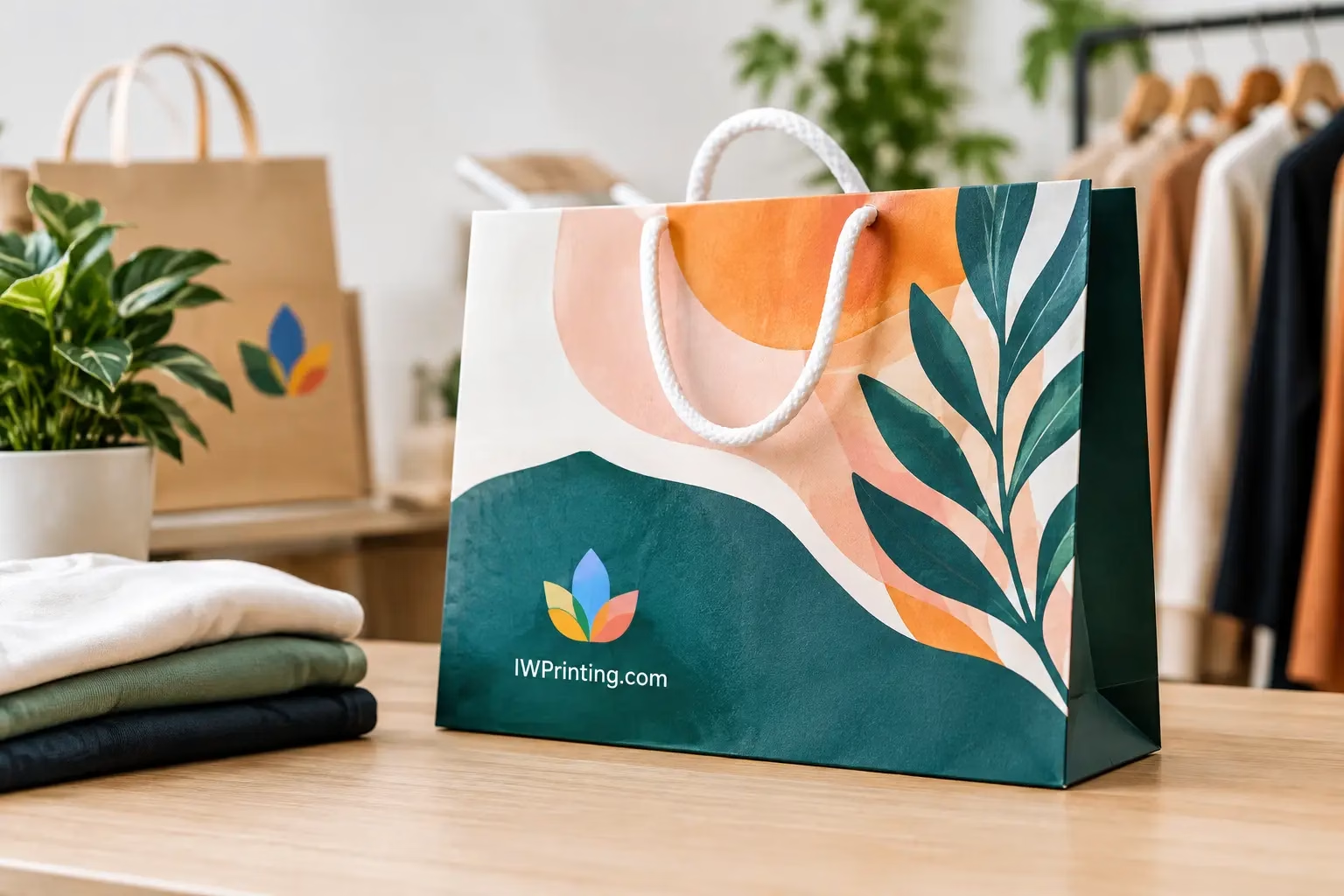
Shopping Bag Printing That Builds Brand Recall
Shopping bag Printing turns every purchase into brand exposure. Choose materials, sizes, finishes, and artwork that fit your product, budget, and customers.
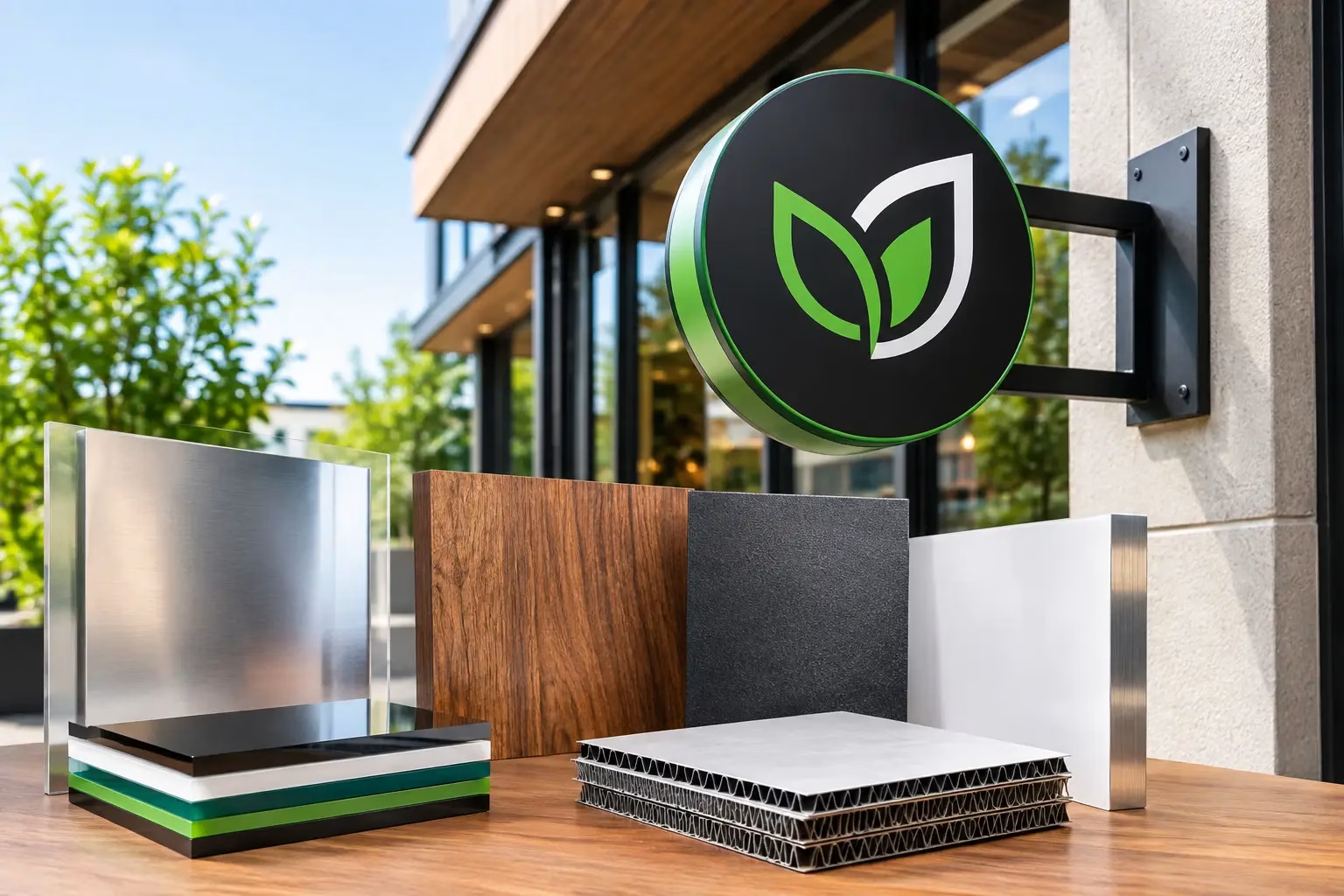
A storefront sign has only a few seconds to do its job. It needs to catch attention, reflect your brand, stay readable from the right distance, and keep looking professional through heat, dust, rain, and daily exposure. The best storefront sign materials are not the same for every business. A premium retail boutique, busy restaurant, warehouse, clinic, and temporary pop-up each need a different balance of appearance, durability, illumination, and cost.
The right choice starts with where the sign will be installed, how long it needs to last, and what customers should notice first. Material affects more than the final look. It determines maintenance needs, installation method, lighting options, production time, and long-term value.
Before selecting a material, consider the sign’s environment. Outdoor storefronts need materials that can handle UV exposure, wind, moisture, and regular cleaning. In high-heat locations such as the UAE, fading resistance and heat tolerance are especially important. Indoor signs have more flexibility, allowing brands to prioritize texture, finish, and detail over weather performance.
Visibility is the next factor. If customers will view the sign from a road or parking area, large lettering and strong contrast matter more than fine detail. If the sign is above a reception desk or inside a shopping mall, dimensional letters, polished finishes, and controlled lighting can make a stronger impression.
Your budget should cover the complete project, not only the sign face. Include design preparation, fabrication, lighting, mounting hardware, electrical work where required, installation, and future maintenance. A lower-cost sign may be the right choice for a short campaign, but permanent branding usually benefits from materials that hold their color and structure over time.
Acrylic is one of the most popular materials for professional storefront and office signage. It has a smooth, glass-like appearance without the weight and fragility of real glass. Acrylic can be clear, frosted, colored, printed, laser-cut, or layered to create a refined branded finish.
For storefront use, acrylic works particularly well for reception signs, indoor mall signage, logo panels, menu boards, and 3D letters. Colored acrylic letters give a crisp, contemporary look, while clear acrylic with printed graphics can suit salons, clinics, showrooms, and corporate offices.
Acrylic is durable, but it is not always the best stand-alone choice for large exterior signs exposed to extreme conditions. It can scratch and may require careful handling during installation. For outdoor applications, acrylic letters are often mounted onto a stronger aluminum composite panel or metal base. Adding LED illumination can turn acrylic lettering into an eye-catching day-and-night feature.
Aluminum composite panel, often called ACP, is a reliable choice for fascia signs, shopfront cladding, directional signs, and branded exterior panels. It consists of a solid core between aluminum sheets, providing a flat, stable surface with a professional finish.
ACP is valued because it is lightweight, weather-resistant, and available in many colors and finishes. It can be printed directly, covered with vinyl graphics, or used as a background panel for acrylic, metal, or illuminated letters. This flexibility makes it a practical option for restaurants, retail stores, service centers, pharmacies, and commercial buildings.
For businesses that need a clean exterior sign at a controlled cost, ACP offers strong value. It is less premium-looking than solid metal letters on its own, but the final result can look high-end when paired with routed lettering, raised logos, or backlit elements. The key is choosing the right thickness, finish, and mounting method for the site.
Choose ACP when you need broad coverage across a storefront, want a durable base for 3D letters, or require a cost-effective signboard that is easy to customize. It is especially useful when branding needs to be updated through vinyl overlays rather than replacing the full structure.
Metal signage gives a business instant permanence. Aluminum is lightweight, corrosion-resistant, and suitable for exterior signs, fabricated letters, projecting signs, and panels. It can be powder-coated or painted in brand colors, making it a dependable option for businesses that want a clean, durable finish.
Stainless steel offers a more premium appearance. Brushed, polished, gold-tone, black, or colored stainless steel letters are common for hotels, real estate offices, law firms, luxury retailers, and corporate headquarters. The material has weight, depth, and visual authority that printed panels cannot fully replicate.
The trade-off is cost and installation complexity. Metal letters require accurate fabrication and secure mounting, especially at larger sizes or elevated locations. They also need suitable wall conditions and professional installation. For a brand planning to stay in one location for years, however, metal can be a smart investment rather than an unnecessary upgrade.
Three-dimensional letters are not a single material. They are a sign format made from acrylic, aluminum, stainless steel, PVC, or combinations of these materials. Their depth creates shadows and visual interest, helping a business name stand out from flat graphics.
Acrylic 3D letters are often selected for bright colors and illuminated signs. Metal letters suit premium, minimal, and corporate identities. PVC letters are lighter and more affordable for interior use, while aluminum returns provide added strength for larger exterior lettering.
Lighting changes the decision. Front-lit letters are highly visible at night and work well for retail and food businesses. Backlit letters create a halo effect for a more sophisticated appearance. Non-illuminated letters can still be highly effective when placed against a contrasting ACP, wood-look, or textured wall panel.
For most permanent storefronts, 3D signage delivers one of the best returns on visual impact. It is more expensive than a printed banner or flat vinyl graphic, but it is easier to notice, more memorable, and better suited to businesses competing for foot traffic.
PVC foam board is lightweight, easy to cut, and cost-effective. It is commonly used for indoor logos, promotional displays, event signs, temporary storefront graphics, and basic 3D letters. It can be printed, painted, laminated, or finished with vinyl.
Its biggest advantage is affordability. PVC foam board helps startups and growing businesses create branded signage without committing to a high fabrication budget. It is also a useful material for seasonal promotions, exhibition displays, and temporary retail launches.
For long-term exterior signage, PVC foam board has limitations. Strong sunlight, harsh weather, and physical impact can affect its appearance over time. It is best used indoors or in sheltered areas unless the project is specifically designed as a short-term installation.
Vinyl is essential to modern storefront branding. It can be applied to windows, glass doors, ACP panels, walls, vehicles, and sign faces. Printed vinyl is ideal for colorful graphics, sale announcements, operating hours, product imagery, and window branding. Cut vinyl works well for simple logos, lettering, and privacy frosting.
Vinyl offers quick production and easy replacement, making it a strong option for promotions and businesses that update messaging often. A high-quality exterior vinyl with proper lamination can perform well outdoors, but it does not have the depth or permanence of fabricated letters.
Flex banners remain useful for large temporary signs, construction-site branding, grand openings, events, and budget-conscious campaigns. They are visible, economical, and quick to produce. For a permanent main storefront sign, though, a banner should usually support the branding rather than replace a more durable sign solution.
The most effective storefront signs often combine materials instead of relying on one. An ACP fascia with illuminated acrylic letters can deliver visibility and value. A brushed stainless steel logo mounted on a textured panel can create a premium entrance. Printed window vinyl can add campaign messaging without changing the main sign.
Think about the job the sign must do. If the priority is nighttime visibility, invest in illuminated 3D letters. If you need a polished exterior at a practical price, ACP with raised lettering is a strong choice. If the project is temporary, vinyl or flex may be all you need. If your business depends on a high-end first impression, acrylic and metal finishes are worth considering.
At IWPrinting.com, storefront signage can be planned from design and material selection through production and installation, helping businesses avoid mismatched finishes or unnecessary replacements. Bring your logo, storefront dimensions, and a clear idea of how long the sign needs to perform. That is usually enough to turn a material decision into a sign that works hard for your business every day.
Shopping bag Printing turns every purchase into brand exposure. Choose materials, sizes, finishes, and artwork that fit your product, budget, and customers.
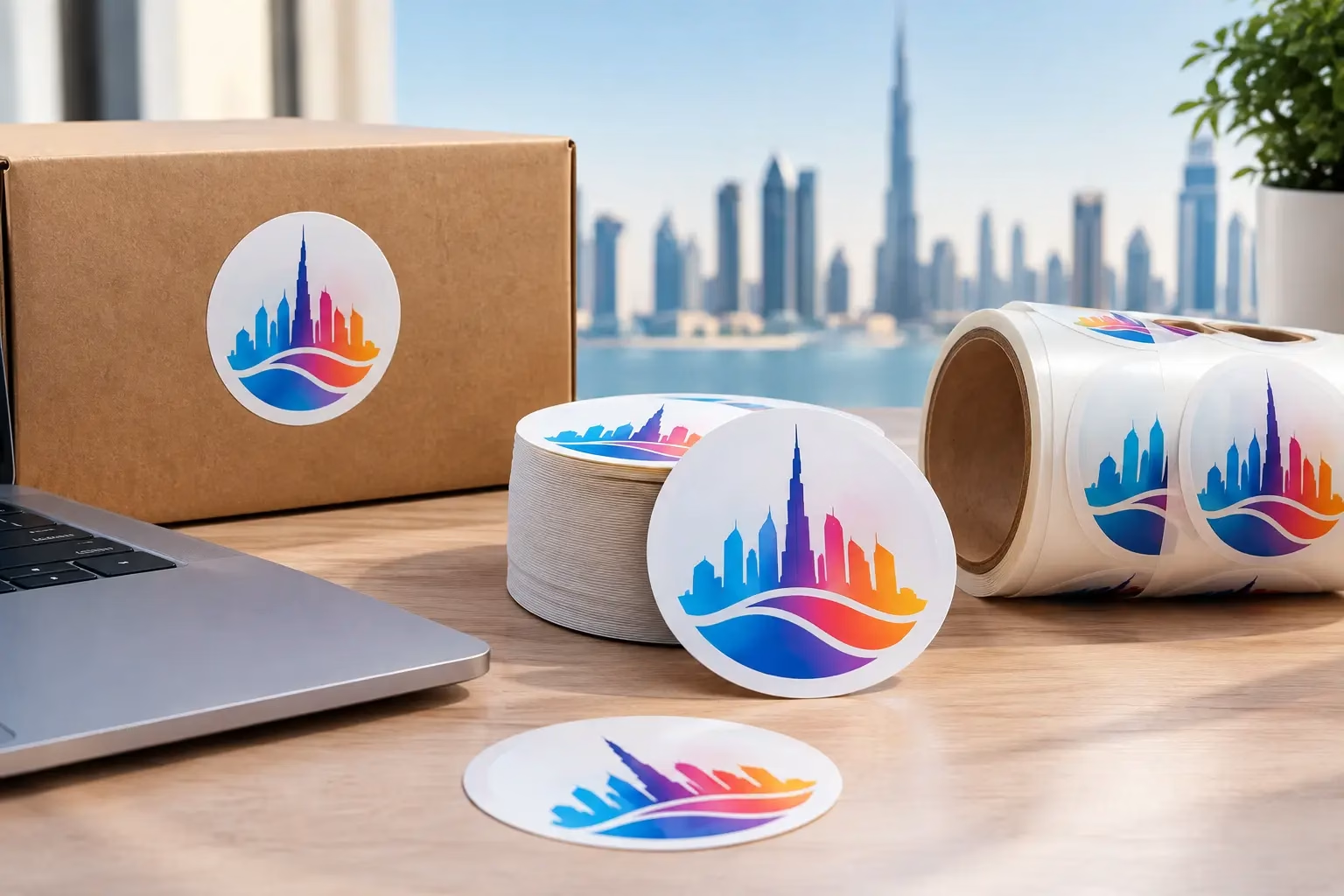
Get Round Sticker Printing in Dubai for product labels, events, and promotions. Choose durable materials, sharp color, custom sizes, and fast delivery.
WhatsApp us
Printing, corporate gifts and signage — tell us what you need and let AI help you find it.
Ask naturally. IWPrint AI can understand your product, quantity, budget and requirement.