
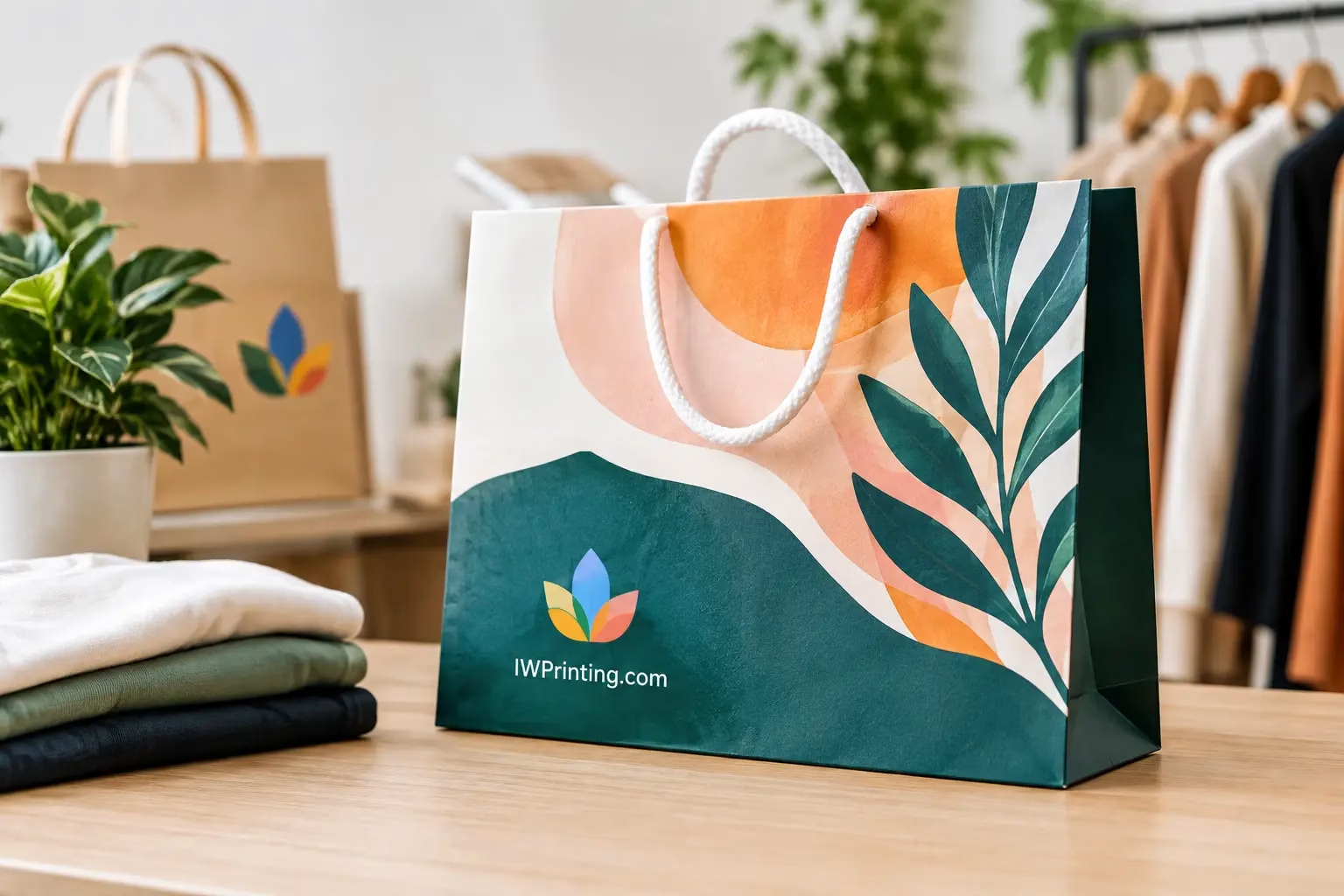
Shopping Bag Printing That Builds Brand Recall
Shopping bag Printing turns every purchase into brand exposure. Choose materials, sizes, finishes, and artwork that fit your product, budget, and customers.
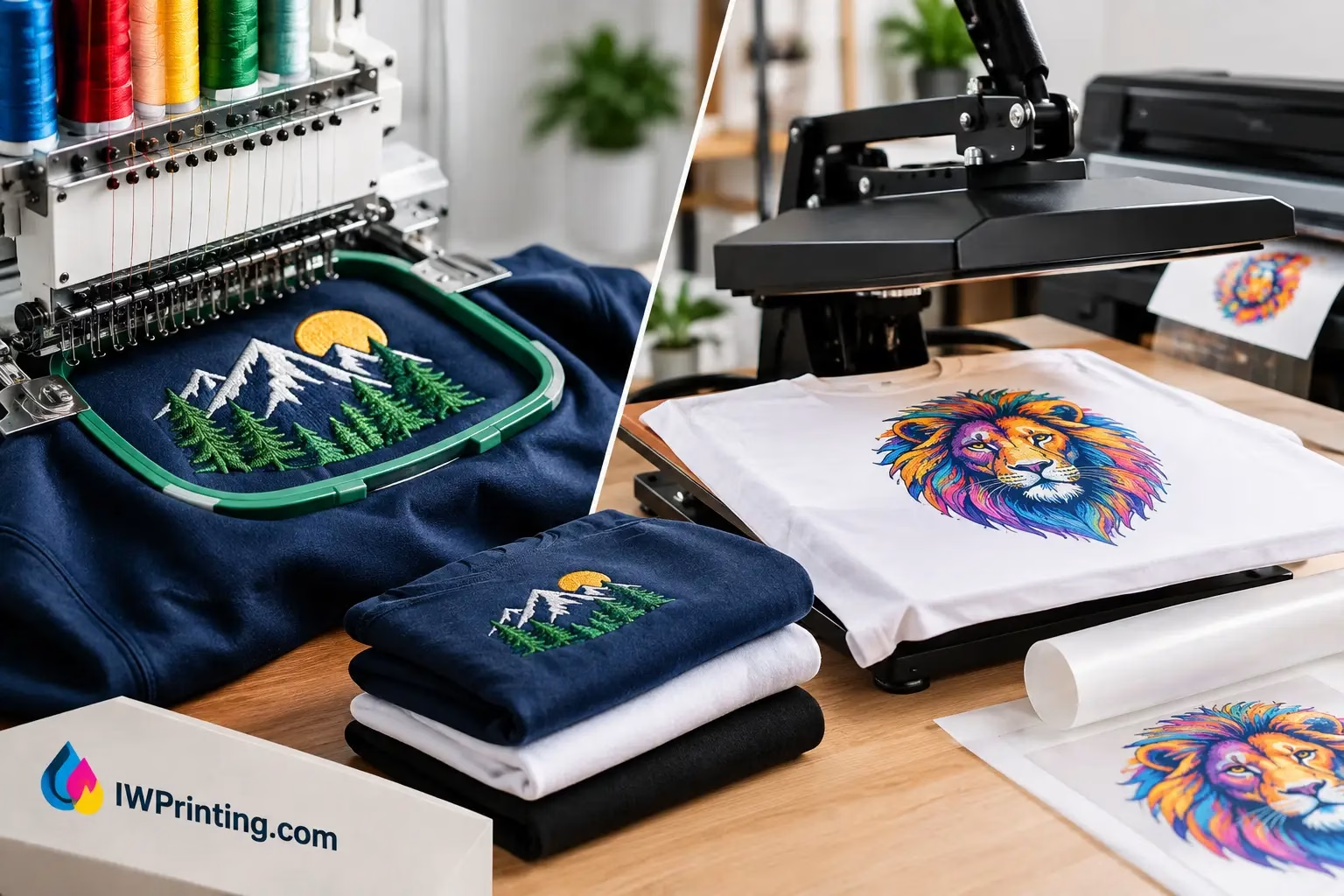
A polo shirt for a hotel team, branded hoodies for a construction crew, and 500 event T-shirts may all carry the same logo, but they should not automatically use the same decoration method. The embroidery versus DTF printing decision affects how apparel looks, feels, wears, and fits your budget. Choosing well means matching the process to the garment, artwork, quantity, and purpose of the order.
For business uniforms and promotional merchandise, the best option is rarely about which method is universally better. Embroidery delivers texture and a premium uniform finish. DTF printing gives you full-color artwork, fine details, and flexible placement. Understanding where each method performs best helps avoid costly compromises after production has started.
Embroidery creates a design with colored thread stitched directly into the garment. It has a raised, tactile finish that customers often associate with established corporate uniforms, hospitality apparel, schoolwear, workwear, and premium gifts. A simple logo on a polo shirt, cap, jacket, or apron can look polished and long-lasting when embroidered.
DTF, short for direct-to-film, prints a design onto a specialized film before it is transferred to fabric with heat and pressure. The result is a smooth, vibrant print that can reproduce photographic images, gradients, tiny text, multiple colors, and complex branding elements without the color limitations of thread.
The practical distinction is simple: embroidery builds a logo from stitches, while DTF applies a printed design to the surface of the apparel. That difference shapes nearly every buying decision, from artwork setup to cost per piece.
Embroidery works especially well when your design is clean, compact, and intended to communicate quality at close range. A left-chest logo, embroidered name, or simple emblem on a uniform is a natural application. Thread has dimension, catches the light, and holds up well through regular wear when produced correctly.
It is a strong fit for polo shirts, button-down work shirts, jackets, fleece, caps, aprons, bags, and heavier fabric garments. For a business that wants front-desk staff, sales teams, drivers, or hospitality employees to look consistent and professional, embroidery often provides the right visual weight.
It is also a sensible choice for logos with one to five solid colors and clear shapes. Because the design is converted into a stitch file, fine artwork needs to be simplified. Very small lettering, thin lines, color fades, or detailed illustrations may not translate cleanly into thread. Enlarging the artwork can help, but not every logo is built for embroidery.
There are physical considerations too. Dense stitching can make lightweight fabric feel heavier or slightly stiff in the decorated area. On a thin T-shirt, a large embroidered design may pull, pucker, or feel uncomfortable. On a structured polo or jacket, that same logo can look excellent.
DTF printing is designed for artwork that embroidery cannot easily reproduce. If your campaign logo uses gradients, shaded graphics, fine lines, a full-color illustration, or several brand colors, DTF preserves those details with strong color accuracy. It is particularly useful for event shirts, staff T-shirts, sportswear, promotional apparel, retail merchandise, and branded giveaways.
Unlike some garment-printing methods, DTF can be applied to many cotton, polyester, and blended fabrics. This makes it convenient when an order includes mixed garment types or when a business needs full-color artwork on darker apparel. White ink creates an opaque base, allowing bright designs to stand out on black, navy, red, and other colored fabrics.
DTF is usually more comfortable than a large embroidered design for wide chest prints, back prints, and detailed graphics. It does add a thin printed layer to the garment, so the feel is not identical to ink absorbed into fabric. For most promotional and branded apparel applications, the result is clean, flexible, and highly visible.
It is also a practical answer for small orders with complicated artwork. A multicolor logo does not require a separate screen for every color, and a design can be reproduced consistently across a short run of garments. For businesses testing merchandise, ordering staff apparel for a campaign, or producing limited event quantities, this can keep ordering straightforward.
Price comparisons can be misleading when embroidery and DTF are treated as like-for-like products. Embroidery pricing is influenced by stitch count, design size, number of locations, and digitizing requirements. A small, simple left-chest logo is generally economical. A large, dense, detailed design with multiple colors takes longer to stitch and uses more thread, increasing production cost.
DTF pricing is more closely tied to print size, number of print locations, and garment quantity. A full-color design can remain cost-effective because color count has less impact than it does with embroidery. Larger prints use more transfer material and production time, but a detailed image does not need to be simplified into stitches.
For a 20-piece uniform order with a small chest logo, embroidery may provide the strongest perceived value. For 100 campaign T-shirts with a colorful design across the front and back, DTF can offer a more efficient result. The right comparison starts with the actual logo and garment specifications, not a generic per-piece price.
Both methods can deliver reliable branded apparel when the right materials, production settings, and care instructions are used. Embroidery is highly durable because the thread becomes part of the garment. It is well suited to uniforms that are worn repeatedly, especially heavier apparel such as polos, jackets, and caps.
DTF transfers are made to flex with fabric and withstand regular washing, but they need sensible garment care. Turn printed apparel inside out before washing, use cold or warm water, avoid aggressive bleach, and do not iron directly on the print. Excessive heat can shorten the life of any heat-applied decoration.
The garment itself matters as much as the decoration. A low-cost shirt may fade, stretch, or lose its shape before an embroidered logo or DTF print shows meaningful wear. For customer-facing teams and long-term uniforms, select apparel with fabric weight and construction suitable for the job.
A useful way to decide is to start with the intended impression. Embroidery is ideal when the apparel needs to feel formal, durable, and established. Think corporate polos, hotel uniforms, branded caps, premium jackets, and executive gifts. DTF is ideal when visibility, detail, and color are the priority – such as event T-shirts, promotional merchandise, product launches, retail apparel, and creative teamwear.
Logo size is another deciding factor. Small logos generally favor embroidery, while large graphics favor DTF. A brand can also use both methods within one apparel program. For example, embroider a compact chest logo on staff polos, then use DTF for full-color event shirts and promotional tote bags. This keeps the brand consistent while letting each product do its job well.
Consider the wearer as well. A mechanic or warehouse employee may benefit from a durable embroidered logo on a work polo. A brand ambassador at an exhibition may need a bright, easy-to-read DTF graphic that can be seen from across the hall. The decoration should support the setting, not just look good in a digital mockup.
Clear artwork leads to cleaner results and faster approval. Vector logo files are preferred for embroidery because they help production teams create an accurate stitch file. For DTF, high-resolution artwork with a transparent background is ideal, especially for logos with fine edges or small lettering.
Before placing a bulk order, confirm the garment color, logo placement, design dimensions, and decoration method. A digital artwork proof or physical sample is particularly valuable for new branding, intricate logos, or large corporate orders. It gives your team a chance to check thread colors, print clarity, sizing, and positioning before the full run is produced.
At IWPrinting.com, apparel decoration can be planned around your brand artwork, quantity, deadlines, and delivery requirements. Whether you need polished staff uniforms or colorful campaign merchandise, the most dependable result comes from choosing the method that suits the job from the start.
A logo should work as hard as the people wearing it. Choose embroidery when texture and a premium uniform look matter most, and choose DTF when your design needs color, detail, and bold visual impact.
Shopping bag Printing turns every purchase into brand exposure. Choose materials, sizes, finishes, and artwork that fit your product, budget, and customers.
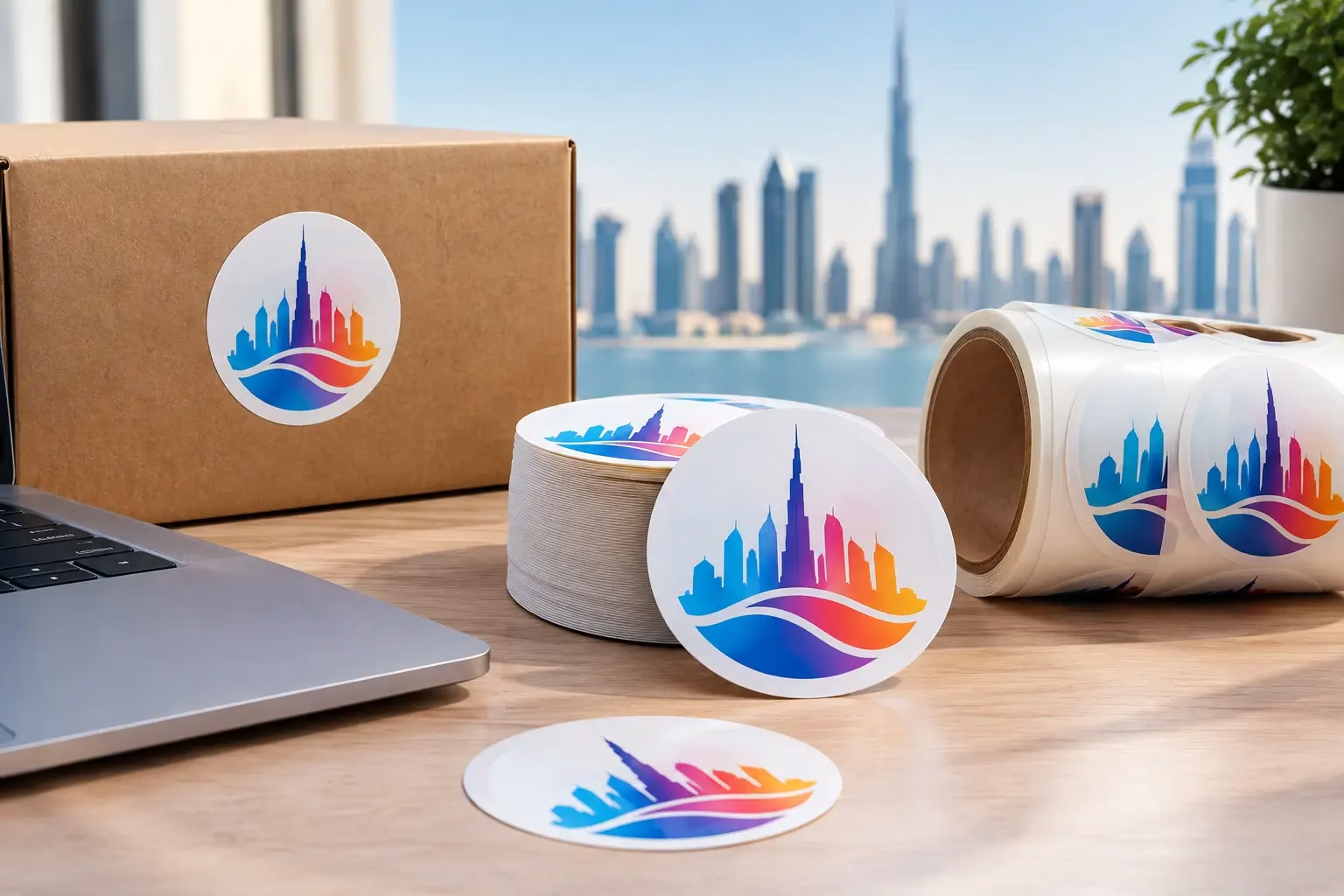
Get Round Sticker Printing in Dubai for product labels, events, and promotions. Choose durable materials, sharp color, custom sizes, and fast delivery.
WhatsApp us
Printing, corporate gifts and signage — tell us what you need and let AI help you find it.
Ask naturally. IWPrint AI can understand your product, quantity, budget and requirement.