
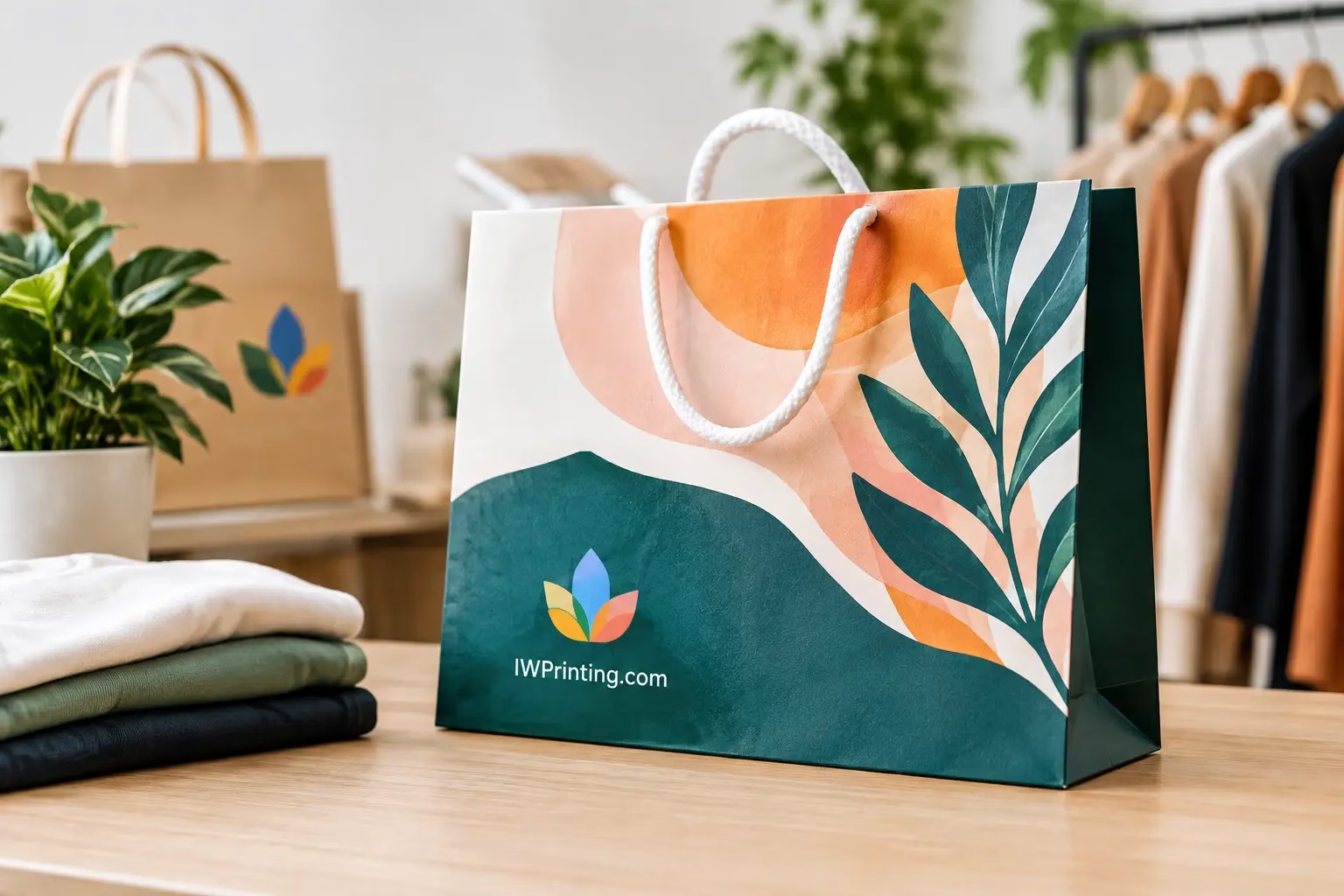
Shopping Bag Printing That Builds Brand Recall
Shopping bag Printing turns every purchase into brand exposure. Choose materials, sizes, finishes, and artwork that fit your product, budget, and customers.
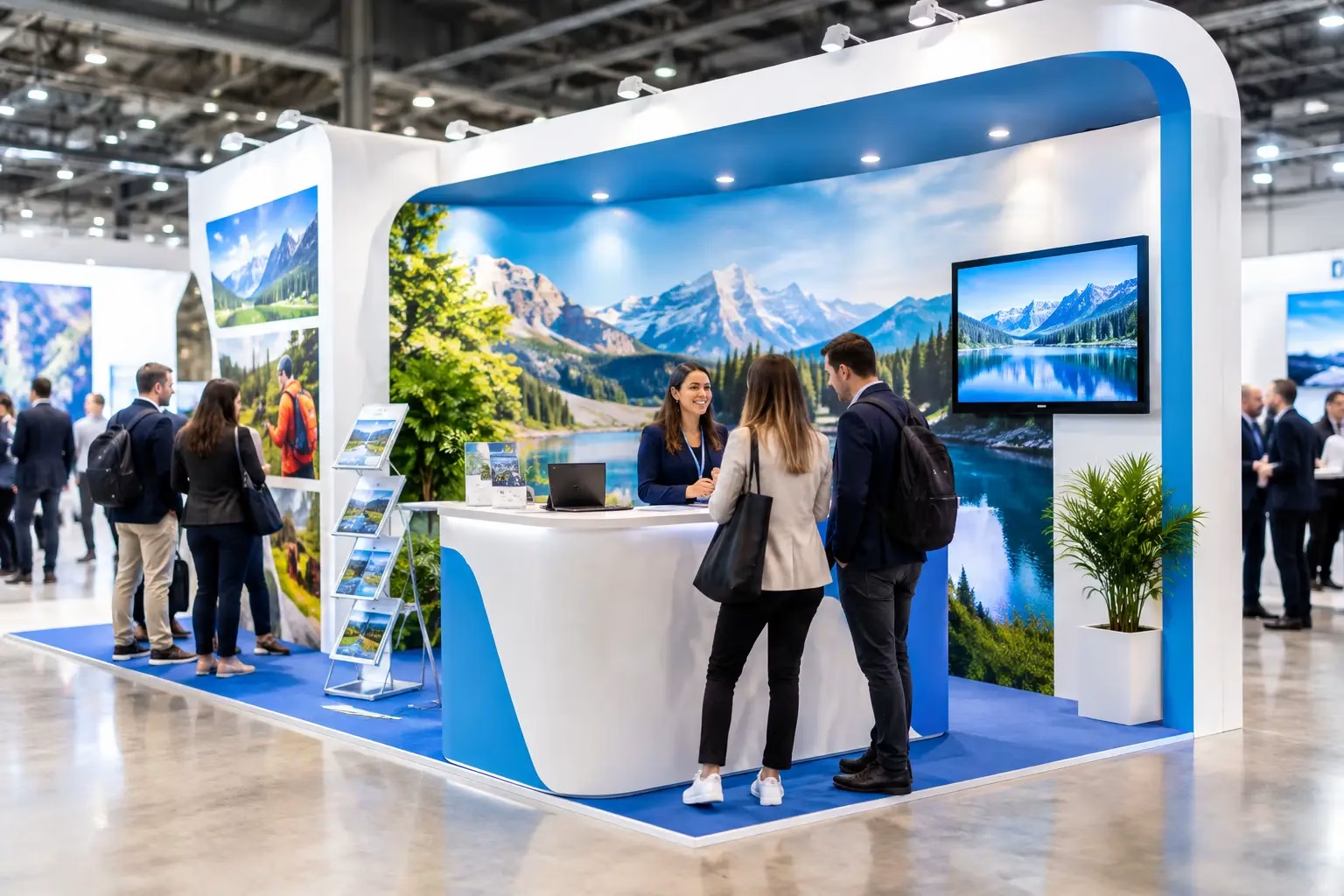
A busy exhibition floor gives visitors seconds to decide where to stop. The right Exhibition Display Stands make that decision easier by putting your brand, offer, and contact point in clear view before a conversation begins. For a product launch, industry trade show, retail activation, or corporate event, the goal is not simply to fill a booth. It is to create a professional space that brings the right people closer.
A strong display should work as hard as your sales team. It needs to be visible from key walkways, quick to understand, easy to set up, and durable enough for the demands of repeated events. Getting those decisions right early can prevent expensive last-minute changes and help every square foot of your space earn its place.
Exhibitors often choose a stand based on a photo, then discover it does not suit their actual event plan. Begin with the outcome you need. Are you collecting leads, demonstrating a product, launching a service, meeting existing clients, selling on site, or building awareness? Each objective calls for a different display setup.
A lead-generation booth needs an open front, a clear call to action, and enough room for quick conversations. A product demonstration may need a counter, power access, shelving, and a backdrop that keeps the focus on the product. If your team is meeting decision-makers, a more structured setting with branded walls, a reception counter, and small meeting space can create the right level of confidence.
Your booth location matters as much as your goals. A corner space benefits from graphics on two visible sides. An inline booth needs a strong back-wall message because most visitors approach from the front. Before production begins, confirm the organizer’s booth dimensions, height restrictions, access times, electrical rules, and any limitations on hanging signs or lighting.
There is no single best format. The practical choice depends on booth size, how often you exhibit, transport requirements, and the level of visual impact your campaign needs.
A pull-up banner is an efficient option for compact promotions, conferences, registration areas, and presentations. It is portable, fast to install, and cost-effective for campaigns where one direct message is enough. It is less suitable as the only display in a large exhibition hall, where nearby booths may have bigger structures and stronger visual presence.
Pop-up display walls provide a wider branded background without the cost or logistics of a custom-built booth. They work well for standard shell-scheme spaces and can give sales teams a clean setting for product discussions and photography. Curved and straight styles create different looks, but the important factor is whether the artwork remains readable from a distance.
Modular exhibition stands are a smart choice for businesses that attend several shows each year. Frames, panels, shelves, counters, and graphic sections can be rearranged for different booth footprints. The upfront investment may be higher than a basic banner setup, but the flexibility can reduce costs over multiple events.
Custom fabrication is appropriate when the booth itself needs to be an experience. Branded feature walls, illuminated signs, display shelving, product plinths, 3D lettering, and integrated counters can create a more premium presence. This route requires earlier planning, careful approval of drawings, and reliable production and installation support.
For most exhibitors, a balanced setup performs best: a large branded backdrop for visibility, one or two counters for engagement, and focused product or promotional displays that give visitors a reason to stop.
Exhibition graphics are not brochures. Visitors should understand who you are and why they should care while walking past your booth. That calls for fewer words, stronger contrast, and one clear message rather than a wall of services.
Place your logo high enough to be seen over people and furniture. Use a short headline that explains the value you offer, such as a product category, business result, or event-specific offer. Support it with one strong image, a short proof point, or a clear product visual. Phone numbers, websites, and detailed feature lists can sit at eye level or on printed handouts, where interested visitors have time to read them.
High-resolution artwork is essential for large-format printing. Images that look acceptable on a laptop can appear soft or pixelated when printed across a display wall. Use original vector logos where possible, supply high-quality images, and check the final artwork proof at the correct scale. Brand colors should also be reviewed carefully, particularly if the stand must match existing signage, packaging, uniforms, or retail materials.
A polished stand can still underperform if visitors cannot comfortably enter it. Keep the front area open and avoid placing bulky furniture across the main approach. A counter near the edge can welcome visitors, but it should not create a barrier between your team and potential customers.
Think through the journey. Where will samples sit? Where will staff store bags, boxes, and personal items? How will a visitor scan a QR code, sign up, or receive a brochure? If you are showing physical products, provide enough display space for people to inspect them without disrupting a sales conversation.
Lighting deserves attention. Bright exhibition halls can flatten colors and make premium print finishes less noticeable. Spotlights, LED-lit signs, or illuminated fabric displays can increase visibility, especially for dark brand palettes or detailed products. Lighting should support the graphic message, not compete with it.
Exhibition deadlines tend to arrive quickly. Artwork approvals, organizer permissions, venue access, shipping, and installation all need time. Ordering early gives you more choice in materials and more time to correct artwork or layout issues before production begins.
Ask your supplier what is included: graphic design support, printing, frame hardware, carry cases, counters, installation, dismantling, and delivery. A low initial price can become less attractive if essential components are quoted separately. For custom stands, request a clear production schedule and make sure one person on your team is responsible for final artwork approval.
If your business attends events in different cities, portability is a real cost consideration. Lightweight fabric systems and roll-up banners are easier to transport and store. Larger modular or custom displays offer more impact but may need professional handling, venue coordination, and storage between events. The right decision is based on how frequently you will use the stand, not only on the first event’s budget.
IWPrinting.com supports businesses with exhibition graphics, display stands, event counters, signage, branded print materials, and custom fabrication, helping bring a coordinated booth together through one production partner.
A display stand works better when the rest of your event materials carry the same visual message. Branded brochures, catalogs, business cards, stickers, product sheets, giveaway items, staff badges, and packaging should look connected to the booth. This creates a more credible brand experience and gives visitors useful reminders after the event.
Choose giveaways carefully. A useful, well-branded item can keep your company visible after the show, while a generic item that does not match your offer may simply add cost. If your audience is likely to make a high-value B2B decision, a concise product brochure or sample pack may be more effective than distributing large quantities of low-cost items.
It also helps to plan lead follow-up before the doors open. Prepare a short post-event email, organize contact details by interest level, and make sure the promise on your stand matches what your team can deliver. Exhibition success is not measured by foot traffic alone. It is measured by the quality of conversations that continue after the hall is cleared.
The most effective stand is the one that makes your next conversation easier. Give visitors a clear reason to approach, give your team room to engage, and invest in materials that represent your business with confidence from the first glance to the final follow-up.
Shopping bag Printing turns every purchase into brand exposure. Choose materials, sizes, finishes, and artwork that fit your product, budget, and customers.
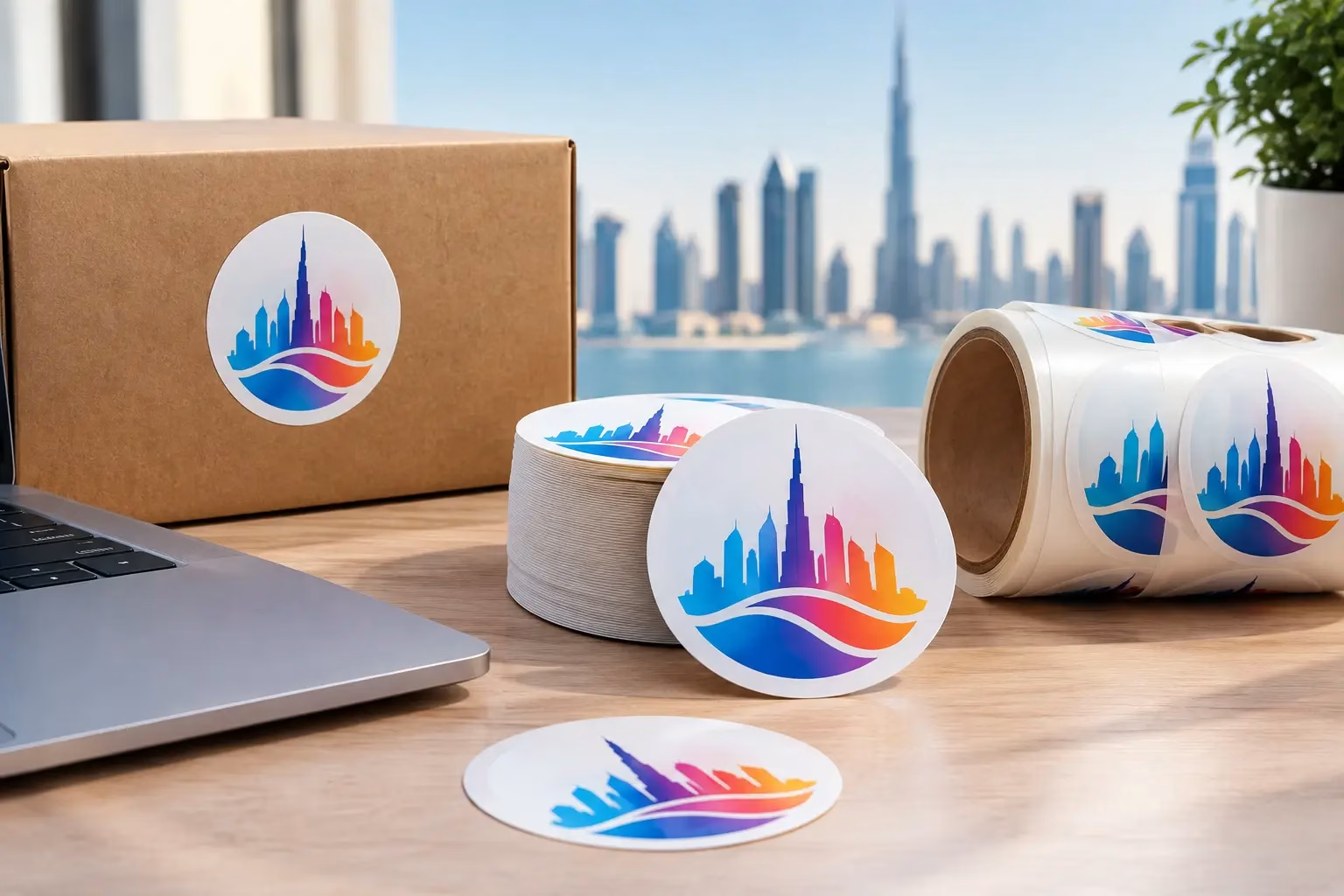
Get Round Sticker Printing in Dubai for product labels, events, and promotions. Choose durable materials, sharp color, custom sizes, and fast delivery.
WhatsApp us
Printing, corporate gifts and signage — tell us what you need and let AI help you find it.
Ask naturally. IWPrint AI can understand your product, quantity, budget and requirement.