
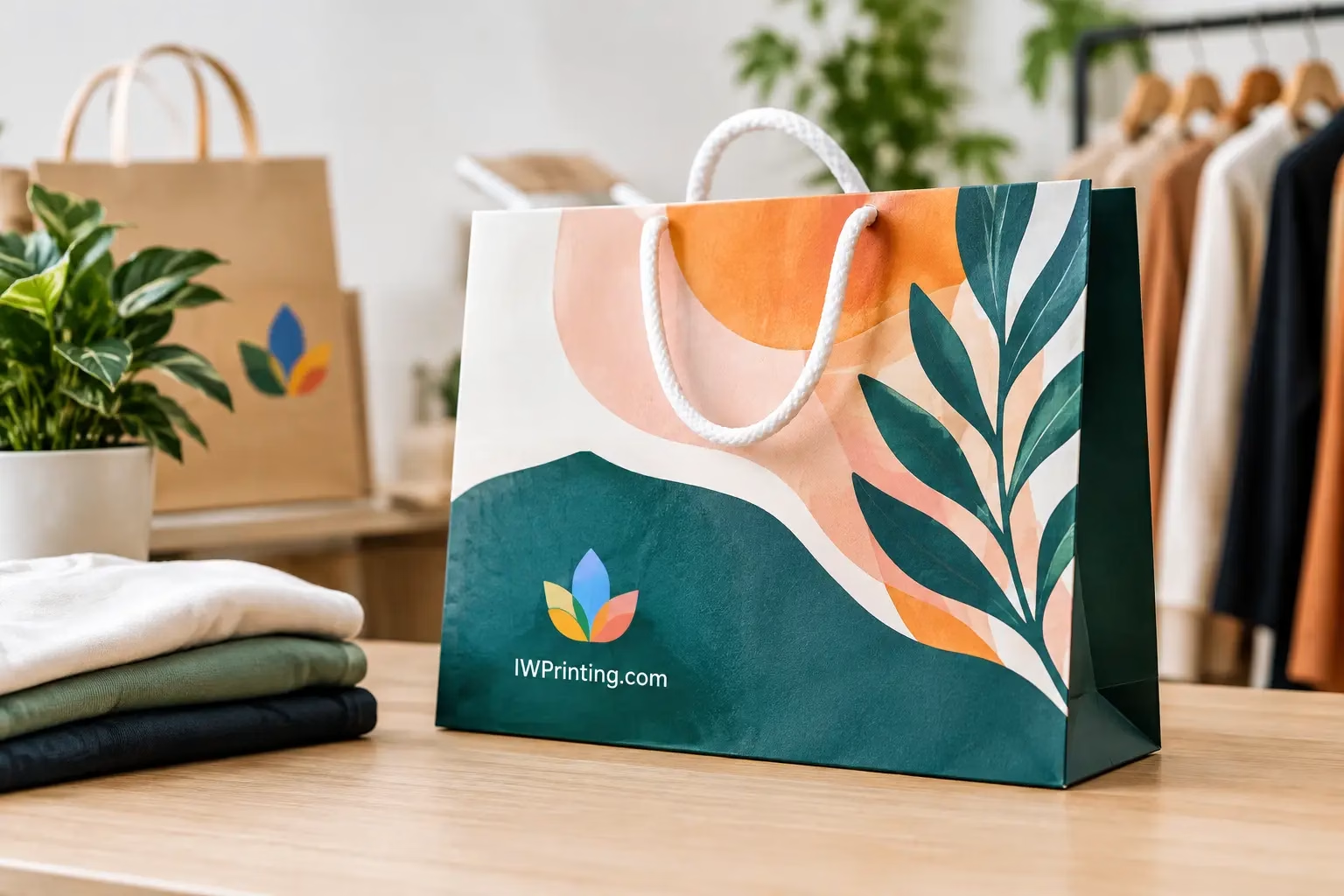
Shopping Bag Printing That Builds Brand Recall
Shopping bag Printing turns every purchase into brand exposure. Choose materials, sizes, finishes, and artwork that fit your product, budget, and customers.
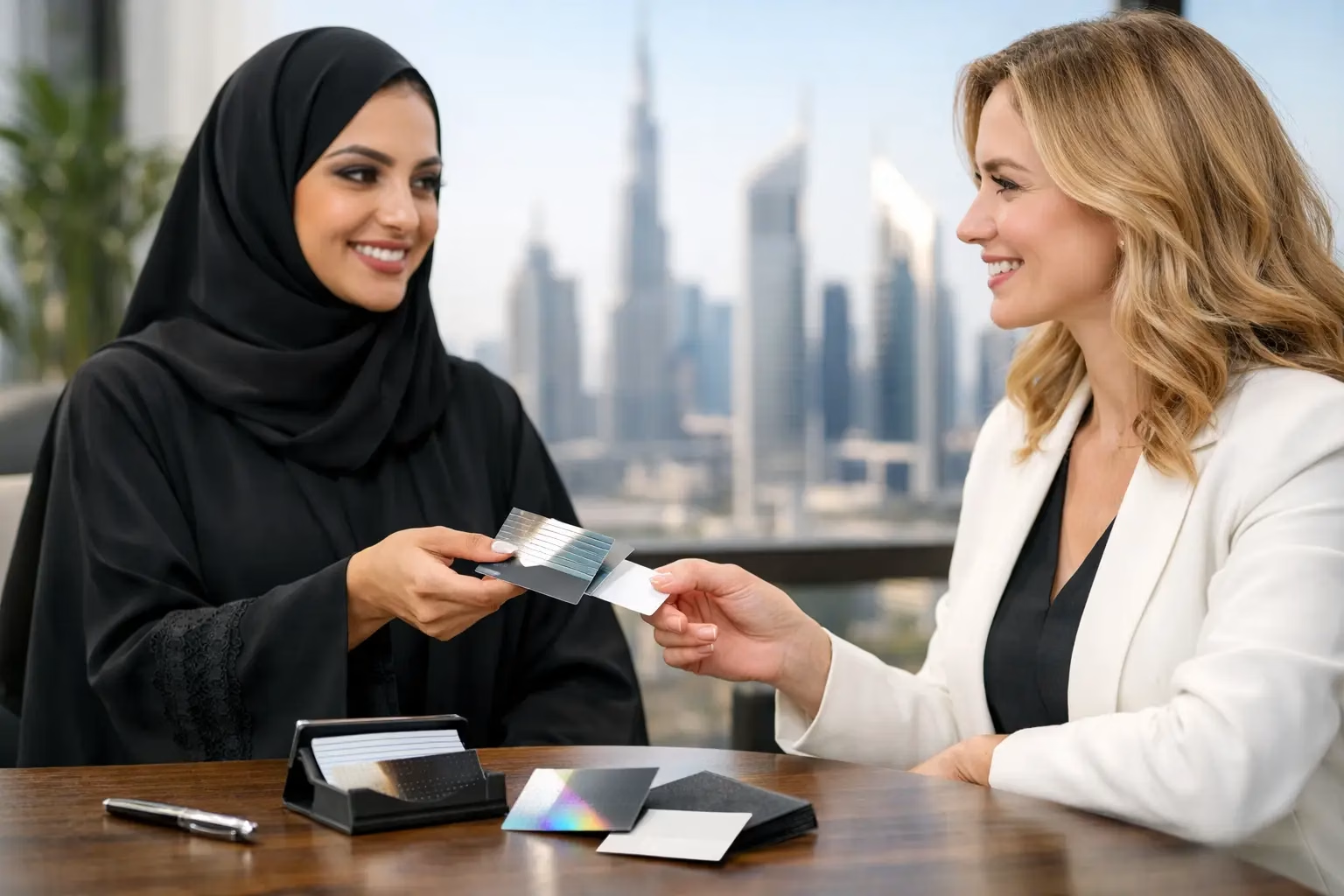
A business card is often handed over at the exact moment someone decides whether to take your company seriously. At a client meeting in DIFC, a property viewing in Dubai Marina, a trade show at DWTC, or a restaurant supplier visit, the card in your hand should make the next step easy. Custom business card printing Dubai gives businesses a practical way to put their contact details, brand, and professionalism into one compact piece of print.
For startups, a card can establish credibility before a website is even visited. For established companies, it keeps sales teams, front-desk staff, consultants, and executives consistently on-brand. The difference is not just the logo. Paper thickness, finish, layout, legibility, and print quality all affect how the card feels and how long it stays in a customer’s wallet.
The strongest business cards are clear before they are clever. A prospect should be able to find your name, role, phone number, email address, and company name in seconds. If your business depends on walk-ins, deliveries, appointments, or online inquiries, include the most useful next action – such as a QR code, location, website address, or social handle – without crowding the design.
Dubai businesses often work across multilingual and international audiences. English is usually essential, while Arabic can be valuable for companies serving local customers, government-related projects, retail audiences, or UAE-wide operations. A bilingual card needs more breathing room than a single-language design. Reducing font size just to fit more information can make a card look busy and difficult to use, so it may be better to use both sides.
Your card should also reflect the type of work you do. A law firm, financial consultant, or B2B supplier may benefit from a clean, restrained layout on a heavier matte stock. A salon, café, creative studio, or event company can use color, texture, or a distinctive finish to make the brand more memorable. There is no single best specification. The right choice depends on your audience, your sales process, and how frequently you hand out cards.
The finish is one of the first things people notice, even if they cannot name it. It changes the look, durability, and writing experience of the card.
Matte cards have a smooth, non-reflective surface that feels professional and is easy to write on. They work especially well for appointment cards, service businesses, corporate teams, and brands using understated colors. Matte finishes also make small text easier to read under office lighting.
Glossy cards create stronger color contrast and a polished appearance. They can suit food businesses, retailers, entertainment brands, and businesses with vibrant product photography or bold graphics. The trade-off is that glare can affect readability, and writing on the surface may be less convenient.
Laminated options add protection for cards that will be carried, exchanged, and handled frequently. They are a smart choice for sales representatives, real estate agents, delivery-focused businesses, and anyone ordering cards intended to last. Premium finishes can raise the per-card cost, but they may be worthwhile when each card supports a high-value sale or long-term relationship.
Paper weight matters as much as finish. A thin card can feel temporary, while a thicker stock communicates confidence and holds its shape better. That does not mean every company needs the heaviest option available. If you distribute thousands of cards at an exhibition, a well-designed standard stock may give you better value. For executive cards, client-facing consultants, or luxury services, a heavier card can make the interaction feel more considered.
Standard full-color cards are the practical choice for everyday networking, staff onboarding, and bulk campaigns. They provide a professional result at an accessible quantity price. Premium cards are better suited to teams that meet clients face-to-face and want a stronger tactile impression.
Specialty options, such as spot effects, textured materials, rounded corners, or unusual shapes, should be used with purpose. They can help a brand stand apart, but not when they make the details harder to read or create a card that does not fit standard card holders. A distinctive card should still function as a business tool.
Good artwork saves time, avoids delays, and helps keep printing costs under control. Before placing an order, review every detail as if you were a new customer seeing the card for the first time.
Start with the logo. Use a high-resolution file and avoid screenshots, low-quality images, or logos copied from a document. Blurry artwork becomes more obvious on print than it does on a screen. If you are using brand colors, provide the correct color values whenever possible so your cards align with your other materials, including letterheads, brochures, packaging, signage, and staff apparel.
Keep text away from the outer edges. Print production requires a safe area so important details are not too close to where the card is trimmed. Background colors and images may need extra bleed beyond the final card size to avoid unwanted white edges. These details are small, but they are often the reason a design needs correction before production.
Proofread names, titles, phone numbers, URLs, and email addresses carefully. Contact details change more often than businesses expect, particularly for new companies and growing sales teams. If employees have individual cards, confirm job titles and direct numbers before submitting the complete batch. One incorrect digit can make a polished card useless.
QR codes deserve a quick real-world test. Scan the final code from a phone before printing, and make sure it leads to a mobile-friendly page, map location, digital menu, booking page, or contact form. A QR code should reduce effort for the recipient, not send them to an outdated or generic destination.
Quantity pricing is one of the biggest advantages of planning business card printing as a business purchase rather than an emergency task. Ordering a larger run usually lowers the cost per card, which makes sense for stable roles and evergreen contact information. It is also useful to keep a small reserve for new hires, meetings, and events.
Still, buying the largest quantity is not always the best decision. A startup may be refining its logo, office location, service offering, or staff structure. A business with frequent employee changes may prefer smaller batches. Restaurants, retailers, and event businesses may need cards tied to a seasonal campaign or a temporary promotion. In these cases, shorter runs protect you from storing outdated print.
For organizations with multiple team members, create a consistent template with fixed logo placement, colors, type styles, and spacing. Then update only the variable information for each employee. This keeps every card aligned with the brand while making future reorders faster and easier. It also reduces the risk of different departments using mismatched designs.
Business cards are often needed on a deadline: a new employee starts Monday, a sales team is attending an exhibition, or a company has an unexpected client presentation. Fast production is valuable, but it should not mean rushing the approval stage. The best way to avoid delays is to submit print-ready artwork, confirm the quantity early, and double-check contact details before the order enters production.
Online ordering makes this process more manageable for busy UAE businesses. You can choose specifications, upload artwork, compare quantity options, and arrange delivery without visiting multiple suppliers. For a company managing brochures, folders, invoices, stickers, branded gifts, or display graphics at the same time, using one production partner also helps keep colors and service expectations consistent. IWPrinting.com supports this practical approach with customized print options and delivery directly to your doorstep.
A business card should not look like it came from a different company than your invoice, menu, product label, or exhibition backdrop. Repeating your core colors, logo treatment, typography, and message builds recognition over time. Customers may see one item first and another weeks later. Consistency helps them connect both experiences to your business.
Think about where the card will be used after it is handed over. It may go into a wallet, be pinned to a noticeboard, passed to a colleague, photographed, or entered into a procurement file. That is why a clear layout and durable finish matter more than overcrowded graphics. Give your best contact route priority, and let the design support it.
When you are ready to order, choose the specification that fits the job rather than the one with the most features. A well-printed, easy-to-read card delivered on time can start more conversations than an expensive card that arrives late or leaves customers searching for your number. Corporate Gifts Printing in Dubai
Shopping bag Printing turns every purchase into brand exposure. Choose materials, sizes, finishes, and artwork that fit your product, budget, and customers.
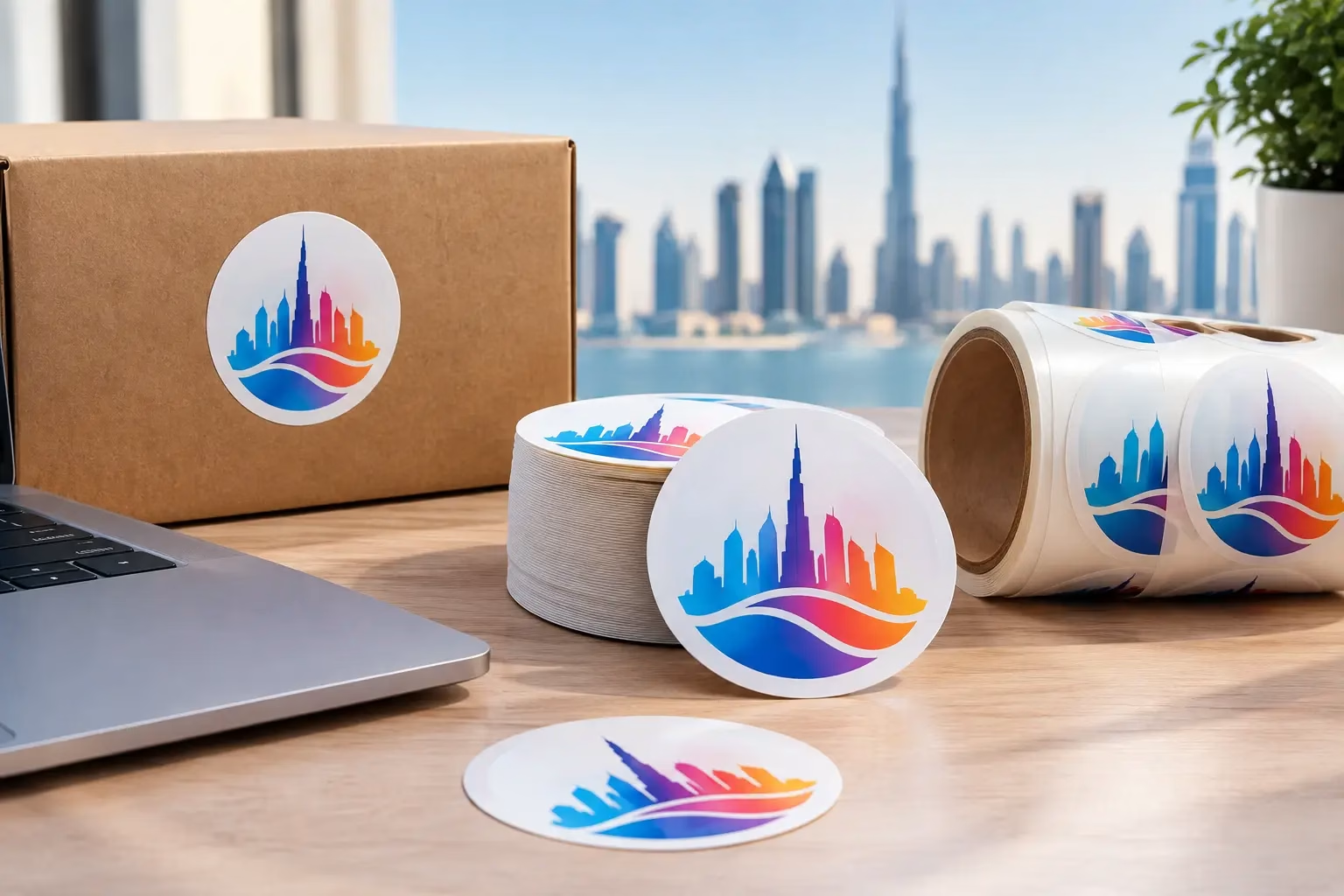
Get Round Sticker Printing in Dubai for product labels, events, and promotions. Choose durable materials, sharp color, custom sizes, and fast delivery.
WhatsApp us
Printing, corporate gifts and signage — tell us what you need and let AI help you find it.
Ask naturally. IWPrint AI can understand your product, quantity, budget and requirement.