
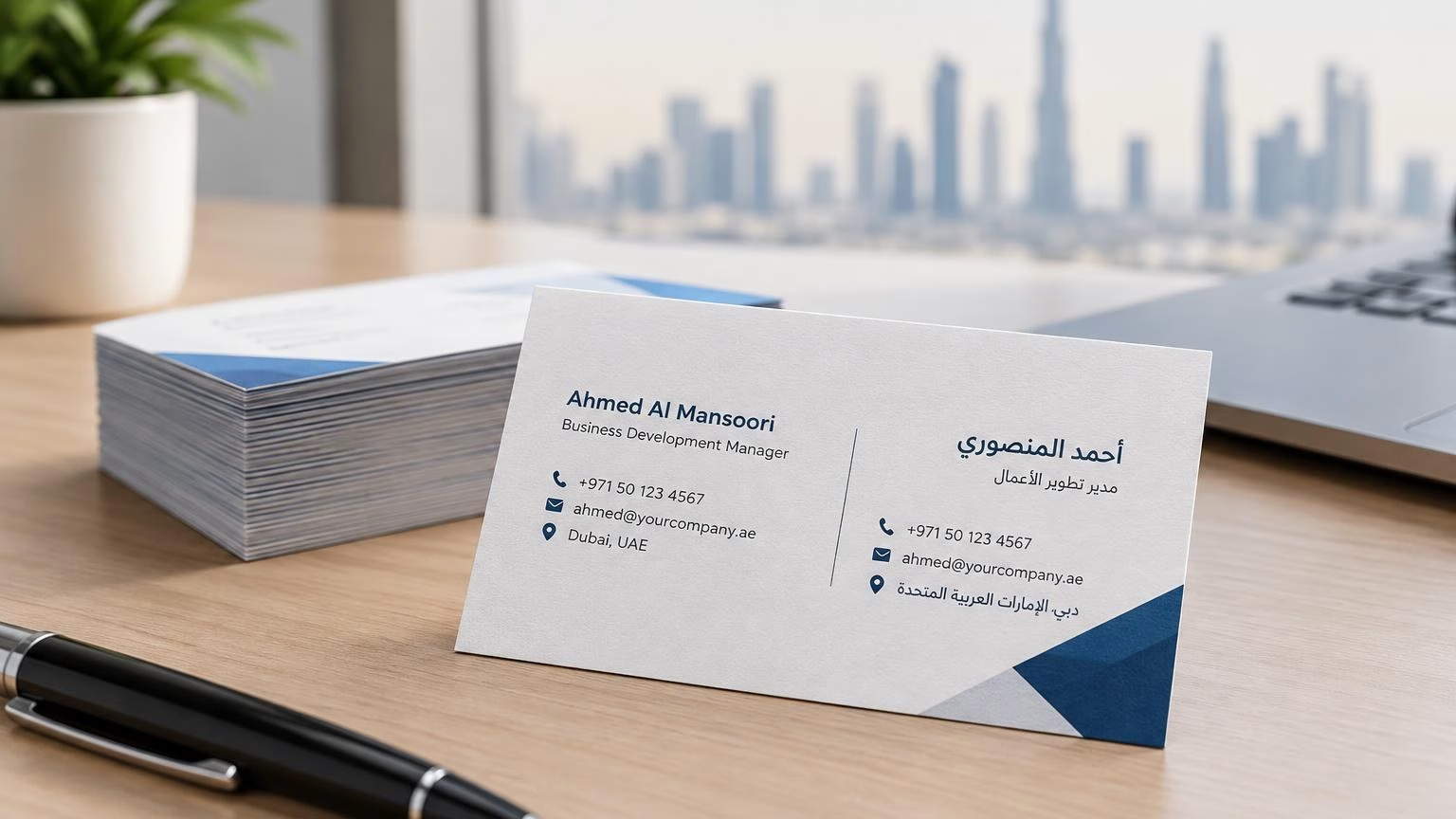
阿联酋阿拉伯语与英语双语名片印刷:排版与校对指南
阿联酋双语名片要同时照顾阿拉伯语从右向左阅读、英语从左向右阅读的习惯。本文介绍版面规划、姓名与联系方式校对、印前文件检查及印量安排,帮助迪拜及阿联酋企业减少常见错误。
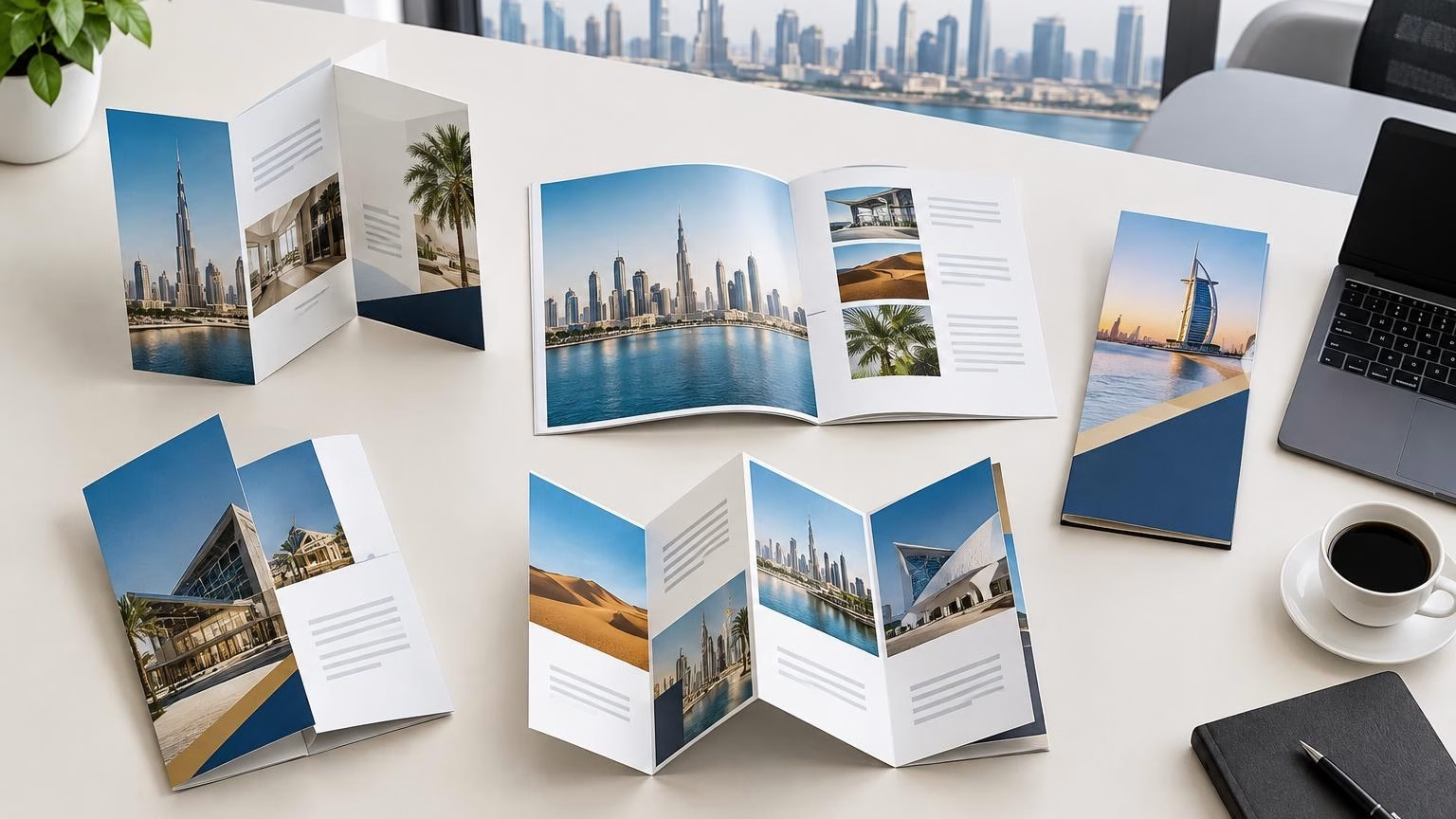
The right brochure fold depends on how much information you need to present and how readers should move through it. For a short introduction, a half-fold can keep the message simple. For several topics or a reveal-by-panel sequence, a tri-fold or Z-fold may be a better fit. More complex folds can create a distinctive presentation, but they need careful planning and artwork checks, brochure-fold-types-uae
For UAE businesses, start with the brochure’s job: will it introduce a service, explain a range of products, support a sales conversation or provide information at an exhibition? Then match the fold to the content, audience and way the brochure will be handed out or displayed.
Brochure fold types describe how a flat printed sheet is folded into a finished piece. Each fold creates a different number and sequence of panels. The choice affects how the brochure opens, how information is grouped and what readers see first.
Common formats include half-fold, tri-fold, Z-fold, gate fold, accordion fold and roll fold. Names can vary between print providers, so describe the finished reading experience and confirm the fold diagram before artwork is finalised.
| Fold type | How it opens | Useful when | Planning note |
|---|---|---|---|
| Half-fold | A sheet folds once in half to create four panels. | You have a short introduction, a focused offer or a simple story. | Give the cover a clear reason to open the brochure. |
| Tri-fold (letter fold) | Two folds create three panels, with one panel folding inside the other. | You need to organise a few related topics in a compact format. | Check which panel is the cover and which panel tucks inside. |
| Z-fold (accordion fold) | Panels fold in alternating directions, opening out in a zigzag. | You want readers to unfold a sequence or compare connected sections. | Plan the panel order as a continuous journey, not as unrelated pages. |
| Gate fold | Two outer panels fold inward towards the centre. | You want a central image or message to be revealed when opened. | Keep the centre spread and the meeting edges aligned in the design. |
| Roll fold | Panels fold inward in sequence, with one panel rolling inside the next. | You have information that benefits from a staged, panel-by-panel reveal. | Panel widths and sequence need to match the confirmed folding plan. |
A half-fold is a straightforward option when the brochure has one central purpose. Use the front panel to identify the business or subject, the inside to explain the main points and the back for practical details or a next step. It can suit a company overview, a service introduction or a concise event handout.
A tri-fold provides a sequence of panels for information such as an introduction, benefits and contact details. It can help readers scan a compact overview without turning through separate pages. Avoid treating every panel as an independent advert: connect the sections with clear headings and a logical flow.
A Z-fold opens in alternating panels, making it useful for a step-by-step explanation, a product range or a sequence of related points. It can also open out as a continuous strip. Decide whether readers should follow the panels one by one or view the full spread, and design for that behaviour.
A gate fold can place emphasis on a central visual or headline as the brochure opens. A roll fold can introduce information progressively as the reader opens each panel. These formats require more attention to panel order and alignment, so confirm the construction and layout before committing to the artwork.
The distribution setting in Dubai or elsewhere in the UAE can help determine whether a brochure needs to be compact, quick to scan or more detailed. A handout for a short conversation may need a different reading flow from a brochure intended to explain several services.
If brochures are one part of a wider event setup, planning the supporting display materials together can help keep the message consistent. Our guides to planning exhibition signage and popup stand printing in Dubai cover related considerations.
Folded artwork is not simply a flat design divided into equal rectangles. The outside and inside panels appear in different positions when the sheet is folded, and a panel that tucks inside may need a different width depending on the confirmed construction.
For Arabic and English content, do not assume that one panel sequence works equally well for both languages. Make the reading direction clear and check the complete folded piece with readers who know each language. For general file, quantity and proof planning, see how to order printing online without delays.
Paper and finish influence how a brochure feels, handles and presents your brand. The right choice depends on whether people will read it briefly, keep it for reference or carry it around at an event. Ask which stocks and finishes are available for the selected fold, and consider how the material will behave when folded.
Plan quantity around realistic distribution rather than printing an arbitrary surplus. Estimate the number of locations, event days, sales meetings or packs that need brochures, then allow for the way they will be shared. Confirm quantity, artwork requirements and delivery arrangements with the provider before placing an order; these details can vary by job.
Use this short checklist to narrow the options:
The best format is the one that lets the intended audience understand the message without struggling with the panel order. If the copy does not fit comfortably, simplify the content or reconsider the fold rather than shrinking everything until it becomes difficult to read.
A half-fold is often a clear choice when you have a short message, a strong image or a simple introduction to your business. It creates four panels without requiring a multi-step reading sequence. If you need to separate several topics, compare it with a tri-fold before deciding.
Both formats divide a sheet into three panels, but the panels close differently. A tri-fold, also called a letter fold, folds one panel inward and the other over it. A Z-fold uses alternating folds, so the panels open like an accordion. Choose based on how readers should reveal the information.
Set up the artwork using the printer’s confirmed flat size, finished size, panel order and fold direction. Keep important text and images clear of fold lines, and check that the outside panels are arranged correctly. Request or confirm a suitable template before finalising the file.
A bilingual brochure can serve a mixed audience, but the layout needs to give both languages enough room. Arabic reads right to left, so check its direction, alignment and panel sequence separately. Review a proof with fluent readers of both languages before approving the artwork.
Confirm the intended audience, distribution setting, quantity, finished size, fold style, available paper and finish options, artwork format and delivery requirements. For an event, also consider when the brochures must be ready and how they will be transported or displayed. Ask the print provider to clarify any production details that affect your choice.
Need help choosing a brochure format? Contact IWPrinting with your intended use, content and artwork plans to discuss the options and details to confirm for your print job.
阿联酋双语名片要同时照顾阿拉伯语从右向左阅读、英语从左向右阅读的习惯。本文介绍版面规划、姓名与联系方式校对、印前文件检查及印量安排,帮助迪拜及阿联酋企业减少常见错误。
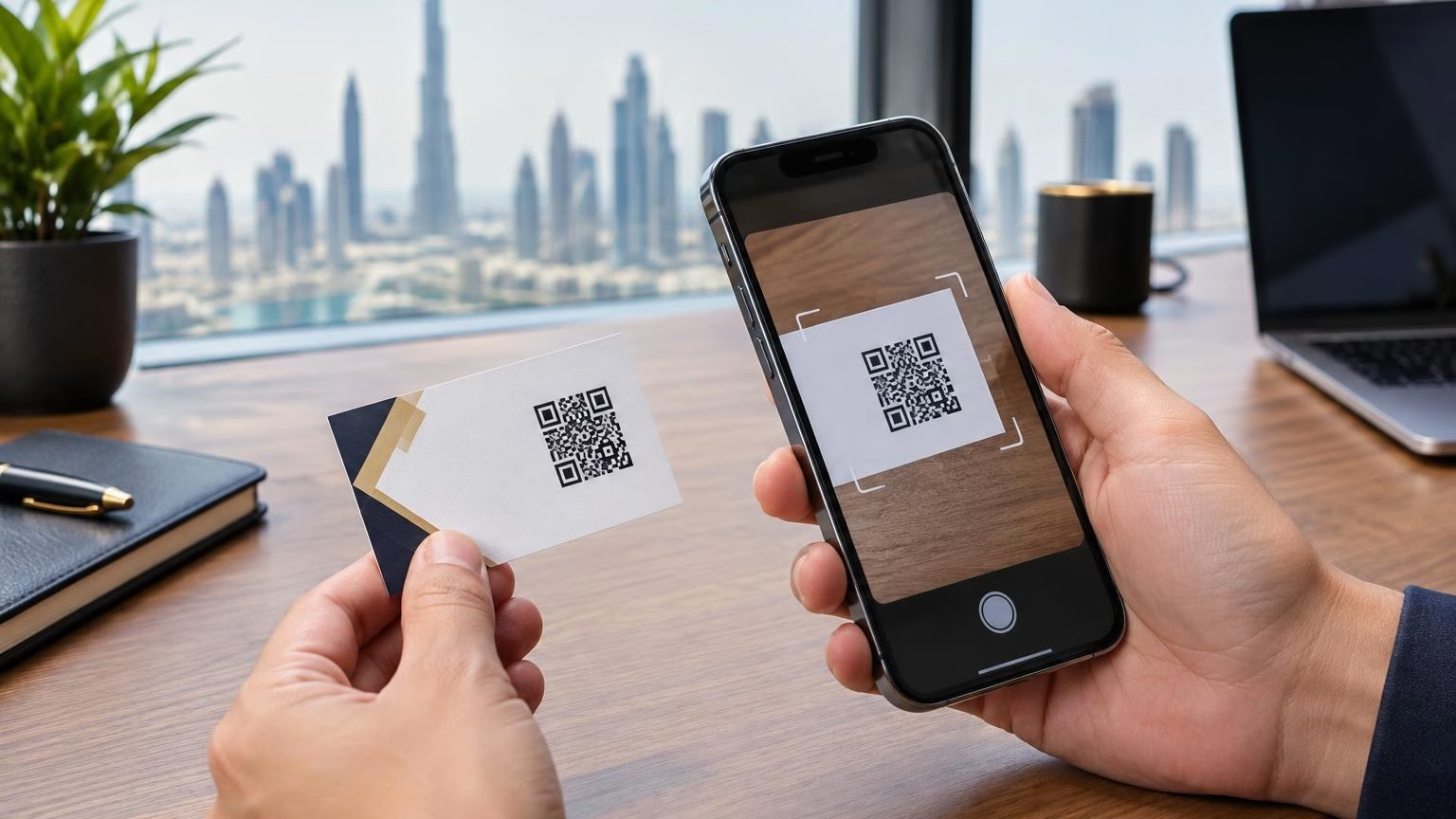
A QR code can make a business card a useful bridge to your digital presence. Learn what to link, how to prepare the artwork and how to test scanability before printing in Dubai or elsewhere in the UAE.
I can help you find the right printing, corporate gifts, signage and display products. Tell me what you need, your quantity, and your budget if you have one.
WhatsApp us