A delivery box, retail bag, food container, or product sleeve often reaches the customer before the product itself. That makes sustainable packaging a practical business decision, not simply a design trend. The right format can protect goods, reduce unnecessary material use, improve the unboxing experience, and show customers that your brand has considered what happens after purchase.
For businesses ordering custom packaging, the goal is not to choose the item that sounds most environmentally friendly. It is to choose packaging that fits the product, supply chain, customer expectations, and budget. A lightweight mailer may be a smart choice for apparel, while a rigid recycled board box may be better for premium gifts, cosmetics, or fragile items. Sustainable choices work best when they are built around real operational needs.
What Sustainable Packaging Means in Practice
Sustainable packaging is packaging designed to use resources more responsibly across its life cycle. It may contain recycled content, use renewable or certified paper-based materials, be reusable, or be easier to recycle after use. It should also perform its core job well: keeping the product safe from production to delivery.
That last point matters. Packaging that uses less material but fails in transit can create more waste through damaged goods, returns, replacement shipments, and disappointed customers. Sustainability is not only about what a box or bag is made from. It is also about using the right amount of material, reducing avoidable void space, producing efficiently, and helping customers dispose of it correctly.
For many brands, the most practical first step is to remove excess. A correctly sized carton, a simple one-color print, or a paper sticker instead of an additional printed sleeve can reduce material and production requirements without making the package look basic. Clean, well-planned branding often has more impact than layers of unnecessary packaging.
Start With Product Protection
Every packaging decision should begin with the product. Consider its weight, dimensions, fragility, shelf life, temperature needs, and delivery method. A bakery item, skincare bottle, electronics accessory, and corporate gift each require different levels of protection.
Paperboard boxes, corrugated shipping cartons, kraft bags, tissue paper, labels, and paper-based inserts can be effective options where appropriate. For products that need moisture resistance, food safety barriers, or heavy-duty protection, material selection becomes more specialized. In these cases, choosing a durable format that prevents damage may be more responsible than selecting a material solely because it appears greener.
Test a sample before placing a large order. Check how the packaging closes, stacks, carries, and performs during handling. If it is for e-commerce, simulate the delivery journey. If it is for a retail counter, see how it looks when filled and how easy it is for staff to use during busy hours.
Choosing Sustainable Packaging Materials
There is no single best packaging material for every business. The strongest choice depends on the product and the local waste and recycling systems available to your customers. Claims such as recyclable, compostable, biodegradable, or recycled should be used carefully and accurately.
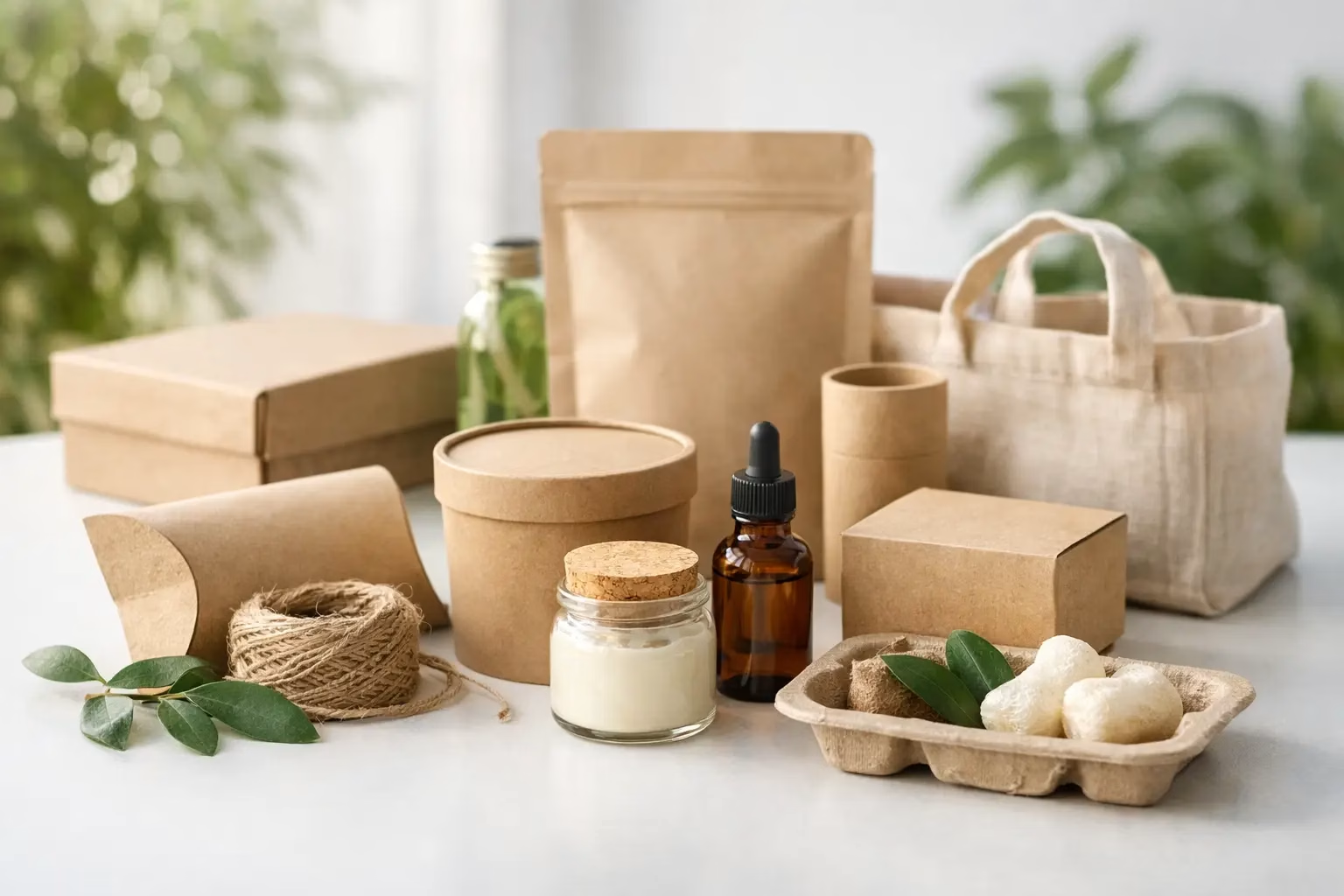
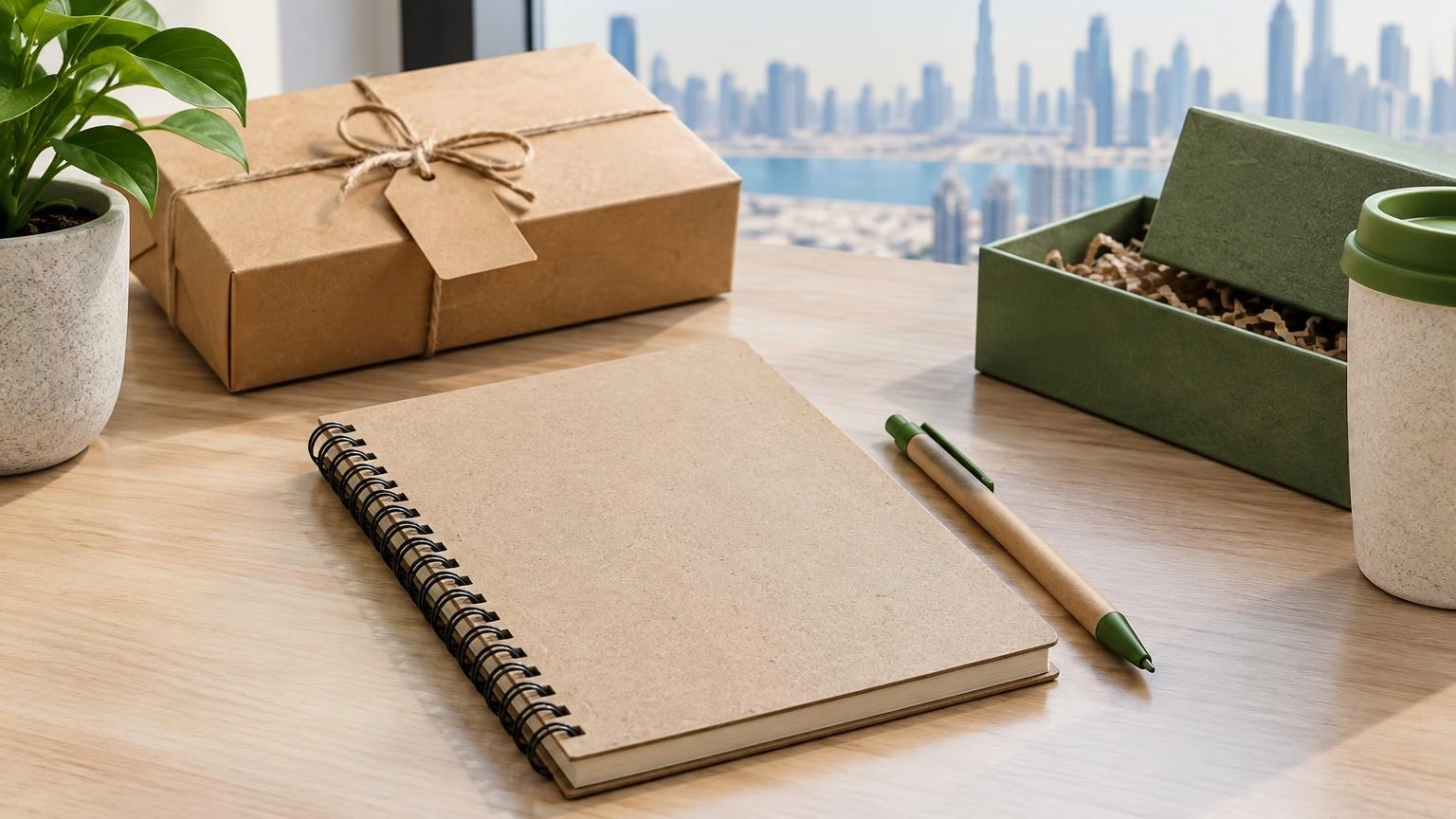
Recycled paper and cardboard are widely used because they can provide a premium natural appearance while supporting material recovery. Kraft paper bags, corrugated mailer boxes, folding cartons, and recycled paper stickers are familiar formats for retail, food service, events, and online stores. They can also be printed with clear logos, product information, and campaign messaging.
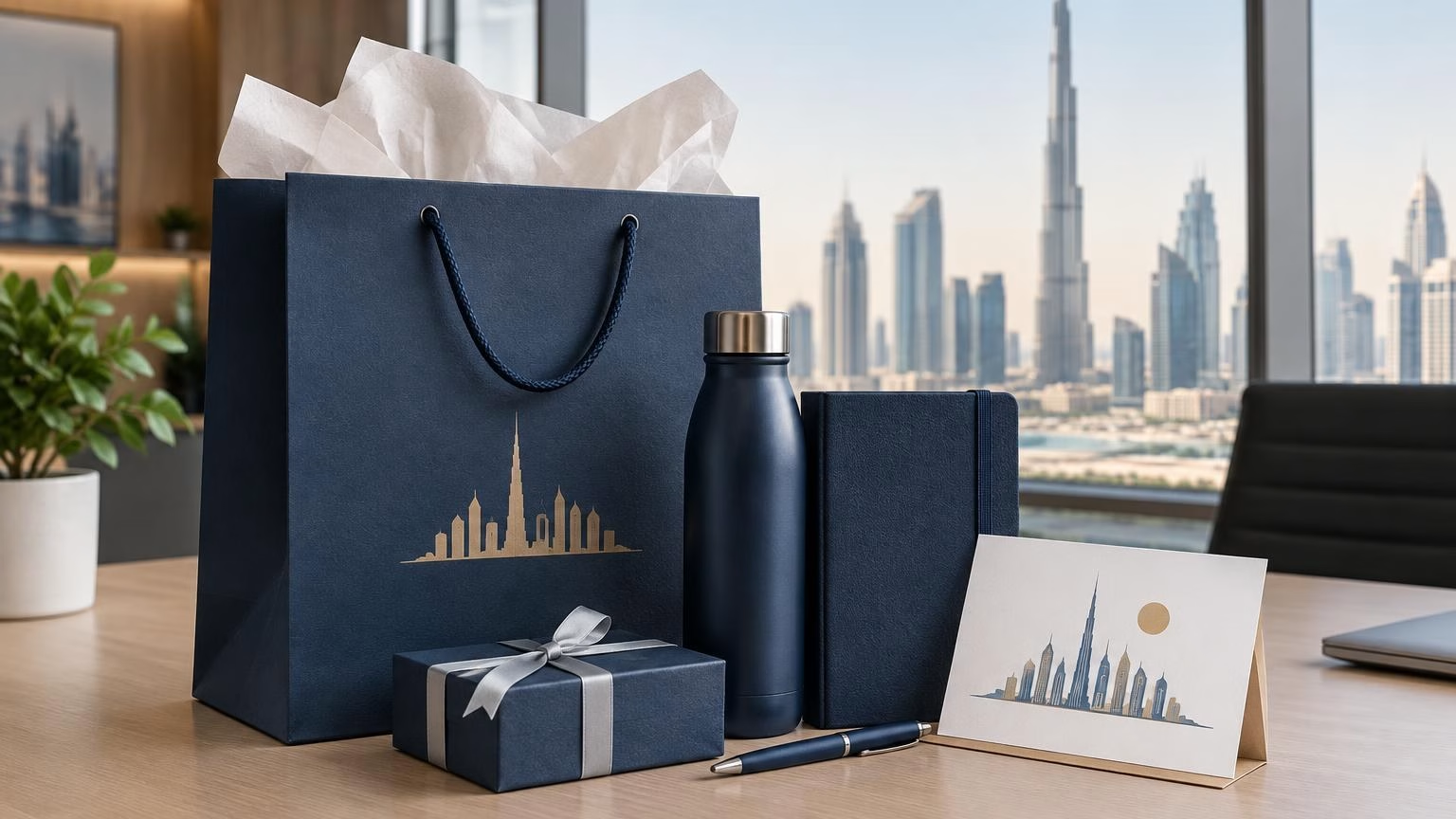
Reusable packaging can make sense for higher-value products or repeat-purchase businesses. A durable branded tote, gift box, or storage-ready container gives the customer a reason to keep the packaging longer. However, reusability only delivers value if the item is genuinely useful. A poorly made reusable bag that is discarded after one use is not a better outcome than a simple recyclable alternative.
Compostable materials can be useful in the right setting, particularly for selected food-service products. But they require clear disposal instructions and access to suitable composting facilities. If customers are likely to place them in general waste because the disposal route is unclear, the environmental benefit may be limited. Plain language on the package can help: state what the material is, how it should be disposed of, and whether components need to be separated.
Print Choices Matter Too
The print design has a direct effect on material use and recyclability. Heavy lamination, mixed material components, foil effects, and complex finishes can be visually impressive, but they may make a package harder to recycle or separate. They can also add cost and lead time.
This does not mean premium packaging must look plain. A strong logo, careful color selection, quality paper stock, and a well-designed layout can create a professional result with fewer finishes. Brands can also use spot color printing, uncoated textures, minimal coverage, or a single branded label to achieve a distinctive look.
When ordering custom boxes, bags, sleeves, stickers, or food packaging, ask which print and finishing options match the material’s intended end-of-life route. A knowledgeable production partner can help balance visual impact, durability, price, and practical sustainability goals.
Design for Less Waste and Better Delivery
Sizing is one of the biggest opportunities in sustainable packaging. Oversized boxes create more demand for board, fillers, storage space, and shipping capacity. They also make products look less considered when the customer opens them.
Measure the product and plan for only the protection it needs. For an online order, a fitted mailer or appropriately sized corrugated box can reduce void fill. For retail, a compact folding carton can provide shelf presence without adding bulk. For corporate gifting, a reusable presentation box may replace multiple disposable layers.
Consolidating packaging components can also help. Instead of using a box, plastic wrap, insert card, sleeve, and extra label, look for ways to combine functions. Product care instructions can be printed inside the box. A branded seal can replace a separate outer sleeve. A well-designed insert can serve as both protection and a thank-you message.
Order planning matters as well. Businesses that forecast regular packaging needs can avoid frequent small production runs, rushed shipping, and inconsistent stock. Standardizing a few box sizes or bag formats often makes reordering easier, controls costs, and reduces leftover inventory.
Communicate Without Overclaiming
Customers respond well to honest packaging information. They do not need a long environmental statement on every carton. A small, clear message can be more credible: made with recycled content, reusable for storage, or recycle where facilities exist.
Avoid broad claims that cannot be supported. Terms such as eco-friendly can feel vague unless they are paired with a specific benefit. If a package contains recycled paperboard, say so. If it is designed for reuse, explain how. If it uses less material than a previous format, communicate the improvement without suggesting the package has zero impact.
Transparency protects the brand. It also helps purchasing teams make better decisions when they compare materials, quantities, and finishing options. Sustainable packaging should support a clear business story, not become a promise that production reality cannot meet.
A Smarter Buying Process for Custom Packaging
Before requesting a quote, prepare the basics: product dimensions, expected quantity, intended use, delivery requirements, preferred packaging style, and branding files. Then identify the sustainability priority that matters most to the project. It may be recycled content, reduced material, reusability, lower shipping weight, or simple recycling instructions.
Keep room for trade-offs. A premium retail launch may require stronger board and a refined finish. A high-volume takeaway campaign may prioritize affordable paper-based packaging and fast replenishment. A subscription business may focus on lightweight mailing formats that reduce shipping costs. The best solution is the one that performs reliably while improving the areas your business can realistically control.
IWPrinting.com can help businesses turn these requirements into custom packaging that is practical to order, consistent with brand standards, and suitable for day-to-day operations. Start with the product, choose materials with a clear purpose, and make every package worth keeping, reusing, or recovering.