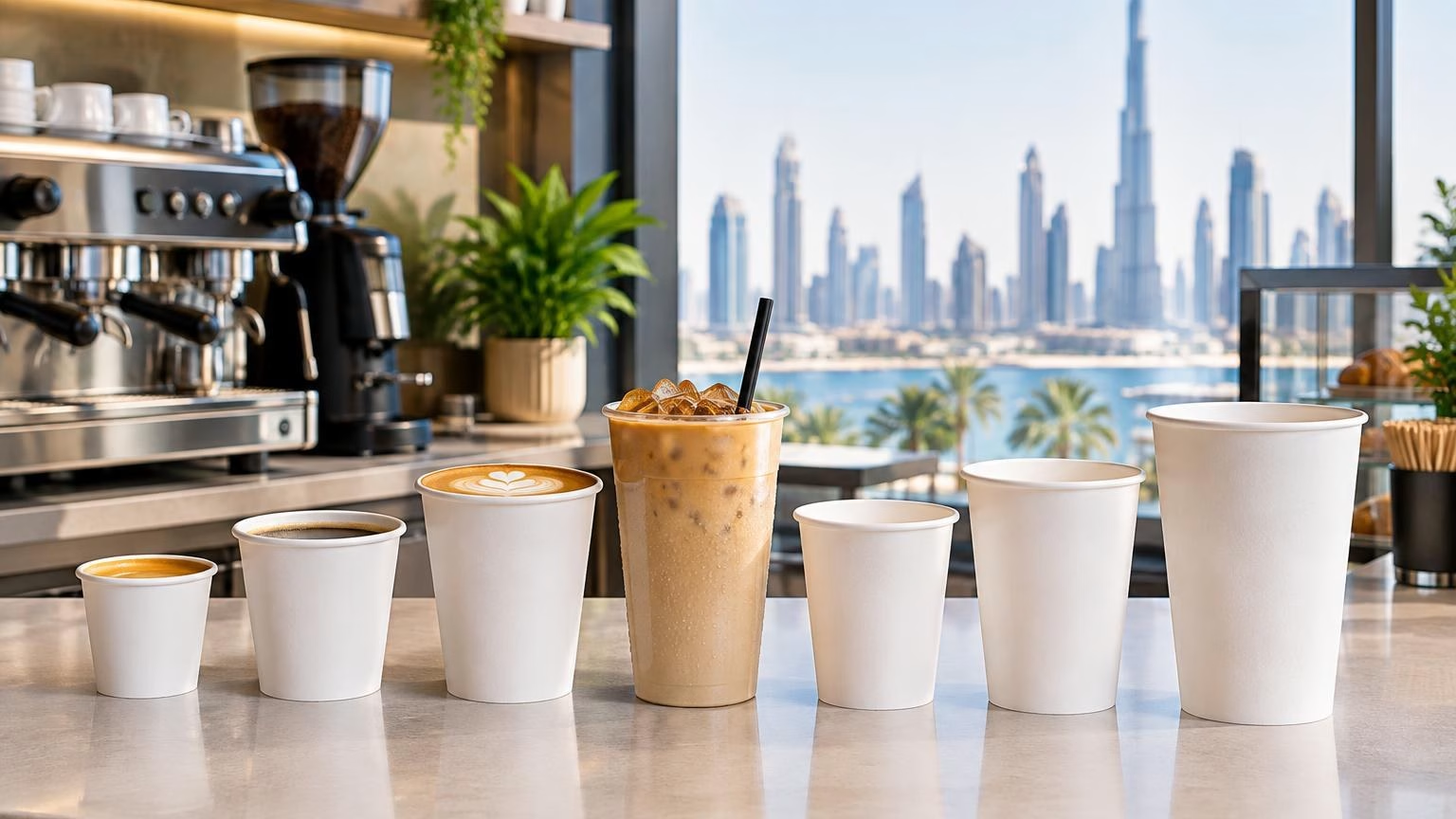
For cafés in Dubai and across the UAE, the right paper cup size is the one that fits the drink recipe, serving style and customer expectation—not simply the largest capacity available. Start by listing the drinks you serve, noting their actual pour volumes and any space needed for milk foam, ice or a lid. Then confirm the usable capacity and format of the cup before selecting a size for branded printing., paper cup sizes for cafés UAE
Common cup-size references include 4, 6, 8, 12 and 16 US fluid ounces. These are useful starting points for comparison, not a statement of IWPrinting’s available specifications. Exact dimensions and usable fill capacity vary, so check the options for your intended order.
Quick answer: Match small cups to compact serves such as espresso, medium cups to standard hot drinks, and larger cups to drinks with more liquid or ice. Treat ounce and millilitre conversions as approximate, leave practical headroom, and verify the specific cup capacity, lid fit and artwork requirements before ordering.
Common paper cup capacity references
Paper cup sizes are often described in US fluid ounces, while café recipes and customer preferences may be discussed in millilitres. The table below converts familiar size references approximately to help with planning. It does not confirm which sizes or formats are available from a particular supplier.
| Common reference |
Approximate volume |
Possible café use to assess |
| 4 fl oz |
118 ml |
Espresso or another compact serve |
| 6 fl oz |
177 ml |
Small hot drink or a shorter serve |
| 8 fl oz |
237 ml |
Smaller takeaway coffee or tea |
| 12 fl oz |
355 ml |
Regular-sized hot or cold drink |
| 16 fl oz |
473 ml |
Larger drink or a cold drink with ice |
One US fluid ounce is about 29.6 ml, so the conversions are rounded. A label may describe nominal capacity rather than the volume a café should pour. The cup’s shape, fill line and space required beneath a lid all affect the practical serving amount.
Match cup capacity to the drink and recipe
Choose cup capacity by working from the drink outward. The recipe and serving method determine how much room the cup needs; the size name alone does not.
Espresso and short serves
For espresso, begin with a compact cup that suits the volume you serve. Consider whether the menu includes single or double shots, and whether customers commonly add sugar or a small amount of milk. A cup that is much larger than the pour may look underfilled, while a tight fit can leave little space for additions.
Hot coffee, tea and milk-based drinks
For longer coffees, tea and milk-based drinks, compare the drink’s finished volume with the cup’s usable capacity. Include milk, foam or other toppings in the calculation. If you use lids for takeaway orders, allow enough headroom for comfortable closing and carrying. Ask to confirm the cup and lid combination rather than assuming that accessories fit across sizes.
Iced drinks and juice
For cold drinks, account for ice as well as liquid. A cup that holds the recipe volume only when filled to the rim may not leave practical room for ice, movement or a lid. Consider how the drink is made and presented, and check whether the selected cup format supports the way your café serves it.
What UAE cafés should consider before choosing
The best size range depends on your audience, menu and service environment. A neighbourhood coffee counter, a hotel café and a takeaway kiosk may have different priorities, even when they serve similar drinks.
- Menu coverage: List each drink and its standard recipe, then group drinks that can share a cup size without changing the intended serve.
- Customer expectations: Decide how you describe sizes on the menu and make sure the cup presentation matches those descriptions.
- Service style: Consider dine-in, takeaway, delivery, events or catering. Carrying, stacking, storage and lid use may matter differently in each setting.
- Hot or cold use: Confirm that the selected cup format is appropriate for the intended drink and use environment. Do not assume that one format suits every beverage.
- Material and accessories: Ask what cup materials and compatible lids are available for the specific size. Confirm any requirements relevant to your own service and disposal arrangements.
- Quantity planning: Estimate use by drink and size, including expected busy periods and any seasonal or event demand. Avoid choosing a range that creates unnecessary complexity for staff and storage.
For broader considerations around selecting packaging materials, see IWPrinting’s guide to sustainable packaging that works for your brand. The appropriate choice depends on the product, use and confirmed options—not on a general sustainability claim.
Plan cup printing and artwork around the format
A printed paper cup is both a serving item and a branded touchpoint. Before preparing artwork, settle the cup size and format so the design can be checked against the correct printable area. Printing options and artwork constraints depend on the selected product, so confirm the details for your order rather than assuming a particular method or layout.
- Use a clear, high-quality logo file and supply other brand elements consistently.
- Keep essential wording and logos legible at the scale they will appear on the cup.
- Check how the design sits on a curved surface and whether any area may be obscured when the cup is held.
- Confirm the printable area, template, colour requirements and accepted file format with the supplier.
- Review the final artwork carefully, including spelling, logo proportions and placement.
If you are preparing print files, IWPrinting’s guide to file formats that print best explains common formats used for printing projects. For cup-specific artwork dimensions and requirements, use the guidance for the selected cup.
For a closer look at branded cup options and the questions to consider, visit IWPrinting’s paper cup printing guide.
How to choose a size range for your café
A short, repeatable selection process can help you avoid ordering cups that do not suit the menu or workflow.
- Record actual drink volumes. Measure your standard recipes as served, including milk, foam, syrup or other additions where relevant.
- Allow for the way each drink is served. Account for ice, lids and headroom instead of treating the cup’s nominal capacity as the pour target.
- Group compatible drinks. Decide which menu items can share a size while still looking and feeling right for the customer.
- Confirm the specific product details. Ask about available capacities, dimensions, materials, compatible lids and printing requirements for the cup you are considering.
- Plan quantities by size. Use your menu mix and expected usage to estimate how many of each size you need, including any separate event or seasonal demand.
- Approve the artwork for the chosen format. Check the supplied template and final layout before proceeding with an order.
For a UAE café, there is no universal best cup size. A well-planned range supports the real menu, makes service easier and gives branded artwork a suitable surface. Keep the selection focused, verify the usable capacity and confirm product-specific details before committing to an order.
Frequently asked questions
What paper cup sizes should a café in the UAE consider?
Start with the capacities your menu actually needs. Common size references include 4, 6, 8, 12 and 16 US fl oz, approximately 118, 177, 237, 355 and 473 ml. These are indicative examples, not a confirmed IWPrinting range. Check the exact available sizes and usable fill capacity before ordering.
Which paper cup size is suitable for espresso?
A smaller cup is generally a sensible starting point for espresso because the serving is compact. The right capacity depends on your recipe, whether you serve a single or double shot, and whether the cup also needs room for additions. Match the cup to the actual pour rather than choosing by size label alone.
Are cup capacities in ounces the same as the amount of drink served?
Not necessarily. A capacity label may refer to a nominal or brimful volume, while cafés usually leave room for a lid, foam or safe carrying. Cup shape and supplier conventions can also affect usable capacity. Confirm the dimensions and recommended fill level for the specific cup before making a menu decision.
Should hot and cold drinks use the same paper cup size?
They can share a size only if the capacity, lid arrangement and customer experience suit both drinks. Compare the recipes and serving methods separately: hot drinks may need room for foam or a lid, while cold drinks may include ice. Confirm which cup formats and compatible accessories are available for your order.
What artwork should I prepare for printed paper cups?
Prepare a clear logo and any required brand elements, then check the supplier’s artwork template, printable area, file requirements and placement guidance. Keep important details away from areas that may curve, overlap or be hidden when the cup is held. Final artwork requirements depend on the selected cup and printing arrangement.
Discuss your café’s cup requirements
Compare your menu and serving volumes, then contact IWPrinting through the paper cup printing page to discuss suitable sizes and artwork considerations for your branded cups.