

أكواب ورقية مزدوجة الجدار مطبوعة للفعاليات في دبي: دليل الاختيار
تعرّف على كيفية اختيار الأكواب الورقية مزدوجة الجدار المطبوعة لخدمات القهوة والضيافة في فعاليات دبي، وما الذي ينبغي مراجعته في المقاس والتصميم والكمية قبل الطلب.
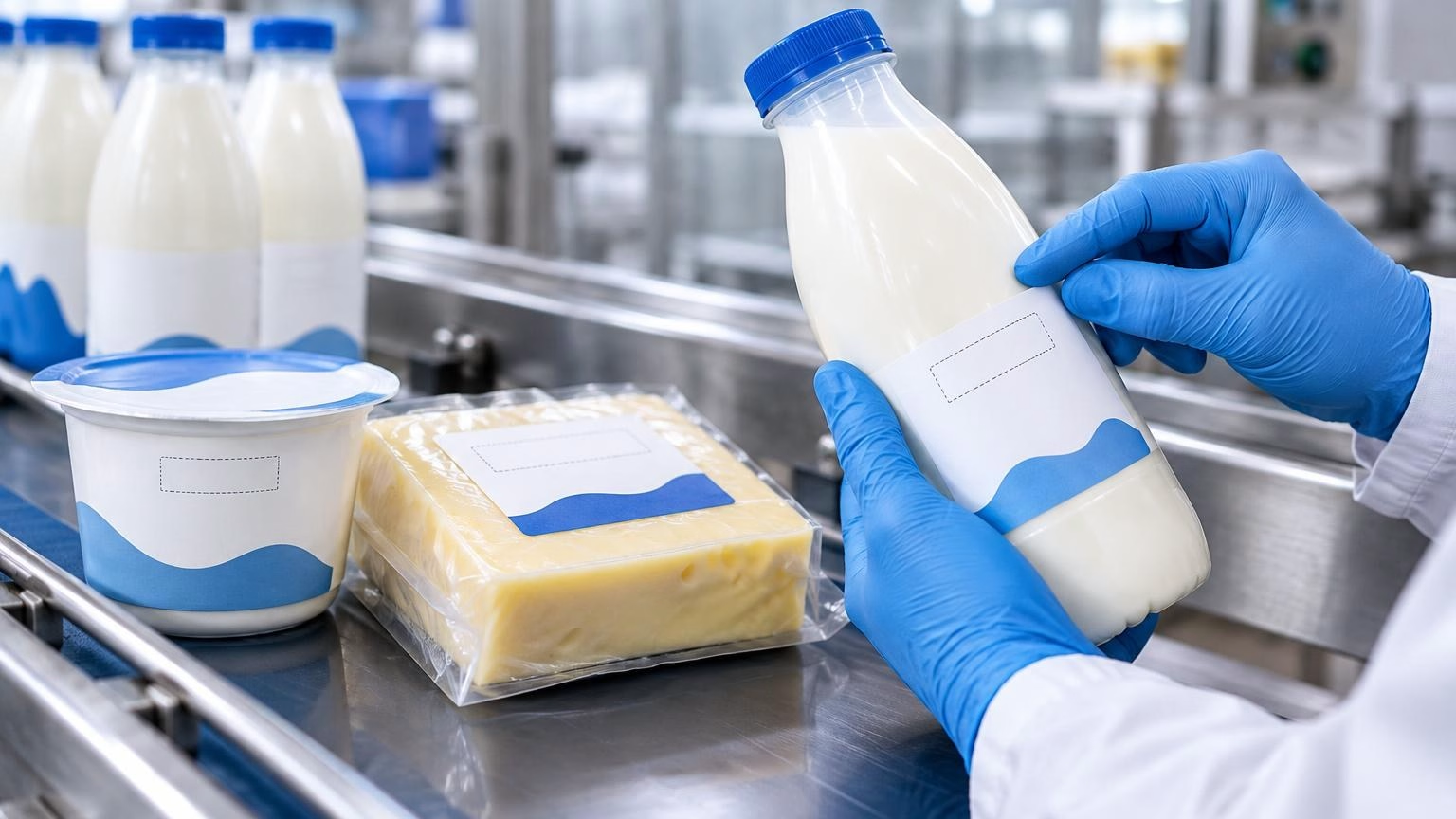
Dairy packaging date coding in the UAE should be planned as part of the packaging artwork and checked on the production line. Reserve a clear, accessible area for variable information such as a date or batch reference, keep the background readable, and verify that the code remains visible on the filled and sealed pack.
The right position depends on the packaging format, material, artwork and the way the pack moves through production. A code that looks clear on a flat design proof may be harder to read on a curved cup or near a fold, seam or seal.
Quick answer: Agree on the required code information with your quality or regulatory team, reserve a distinct coding zone in the artwork, and test the placement and legibility on a representative pack using the intended production process. Confirm the final result with the people responsible for packaging and line approval.
Date and batch information is operational information, not just another graphic. The pack design needs to leave room for it, and the production process needs to apply it where it can be checked. Early coordination can help avoid artwork revisions, obscured codes or a last-minute change to the intended position.
For milk, yoghurt and cheese, packaging formats can differ significantly. A code area suitable for a flat carton face may not work on a curved cup or a flexible pack. Before artwork is approved, review the intended format, the product’s use and handling, and the production team’s requirements. IWPrinting’s guide to dairy packaging formats in the UAE provides useful context for comparing packaging roles and artwork needs.
A coding zone is a reserved part of the packaging layout intended to receive variable information during production. It should be clear in the artwork file and easy for both the design and production teams to identify.
Check the proposed location against the complete pack, not only a flat artwork template. Keep the area away from features that could cover or interrupt the code, such as folds, seams, seals, closures, labels or other applied elements. Consider how the pack will sit and be handled after filling, storage and display.
Do not assume a front-facing location is always best. The chosen position should suit the pack structure and the intended way the information will be inspected. Make sure it is not hidden when a pack is stacked, grouped or placed in its normal display orientation.
Brand graphics, product details and decorative elements are generally fixed in the packaging artwork. Date or batch information may vary between production runs. Treat these as separate design and production requirements: the artwork reserves the space, while the production plan defines what is applied there and how it is verified.
Mark the area clearly in the working artwork or a separate production note, and ensure the mark itself is not accidentally included in the final printed design. Identify the artwork version being reviewed and confirm who is responsible for approving the coding position and content.
A code is easier to inspect when it stands out from its background. The most dependable design choice is usually a simple, uncluttered zone with clear contrast between the code and the packaging surface.
For branded packaging, the goal is to preserve the visual identity without sacrificing the clarity of variable information. If the design needs a coloured or patterned background across most of the pack, reserve a simpler zone for coding. Artwork guidance on packaging and brand value can also help teams think through how visual design and practical packaging needs work together.
Different formats create different placement questions. Use this comparison as a planning prompt rather than a specification: the final position must be checked against the actual pack and production setup.
| Packaging format | Artwork and placement questions | What to check |
|---|---|---|
| Carton | Which face remains visible, and do folds or sealed edges affect the planned area? | Check the code position on a folded, filled and closed carton. |
| Cup or tub | Is the planned zone on a curved wall, lid or another surface? | Check how the code reads on the pack’s shape and when viewed in its normal orientation. |
| Flexible pack | Could a seam, crease or pack handling affect the reserved area? | Review a representative filled pack, including the area’s visibility after handling. |
| Labelled pack | Does the label layout leave a distinct, accessible area for variable information? | Confirm the code will not be covered by another label or artwork element. |
The print-line check is the practical review of whether the agreed code can be applied and read on the intended packaging during production. A design proof helps review layout, but it cannot by itself confirm performance on the line.
Ask the production team which coding method is intended and whether the proposed surface and position suit its process. Do not assume a method will work based only on a mock-up or a different packaging material. Similarly, do not treat a visual review as confirmation of regulatory compliance; the responsible team should verify applicable requirements.
For Dubai and UAE projects, align the packaging artwork with the product’s distribution plans and the requirements set by the responsible parties. Requirements can depend on the product and destination market, so buyers should confirm applicable rules rather than rely on a general design guide.
Before placing or approving a packaging order, prepare the details that affect the design and production plan:
Quantity planning matters when a business has multiple products, pack sizes or artwork versions: the team should understand which design and coding instructions apply to each one. Do not assume that a single layout or approval automatically covers every format. For broader material considerations, see IWPrinting’s guide to choosing packaging materials for your brand.
Choose a coding area that is clear in the artwork, suitable for the pack structure and accepted by the production and quality teams. Before sign-off, ask:
If any answer is unclear, resolve it before treating the artwork as final. A short review involving the buyer, designer, packaging contact and production or quality team can help surface practical issues earlier.
Reserve a clearly identified area where the code can be applied and read after the pack is filled and sealed. Check that folds, seams, seals, labels, graphics and the pack shape will not obstruct it. The final position depends on the packaging format and the actual production line, so confirm it using a representative filled pack.
The fixed design and the variable code are usually planned separately: artwork reserves the area, while production applies the batch-specific information. This lets the code change between runs without redesigning the whole pack. Confirm the actual workflow with the packaging and production teams, including which details need to appear and how they will be checked.
A simple, uncluttered background and strong contrast between the code and the surface help readability. Avoid placing busy patterns, small text, gradients or important brand details directly behind the code area. Check the result on the actual packaging material and under the conditions in which staff and customers will read it.
Yes. A flat label, a curved cup, a carton and a flexible pack present different surfaces and possible obstructions. The intended code position should be reviewed on the exact format, including its seams, folds and seals. A mock-up is useful for planning, but a representative pack from the actual line is a stronger final check.
Confirm the required variable information and its format with the responsible regulatory or quality team for the product and markets where it will be sold. Also agree on the code zone, artwork version, packaging material, production-line method and sign-off process. Do not rely on a design proof alone to establish regulatory compliance or line readability.
Clear date coding starts with a reserved artwork zone and continues through a practical check on the intended pack and production line. If you are planning dairy packaging for Dubai or elsewhere in the UAE, contact IWPrinting to discuss your packaging artwork requirements and next steps.
تعرّف على كيفية اختيار الأكواب الورقية مزدوجة الجدار المطبوعة لخدمات القهوة والضيافة في فعاليات دبي، وما الذي ينبغي مراجعته في المقاس والتصميم والكمية قبل الطلب.
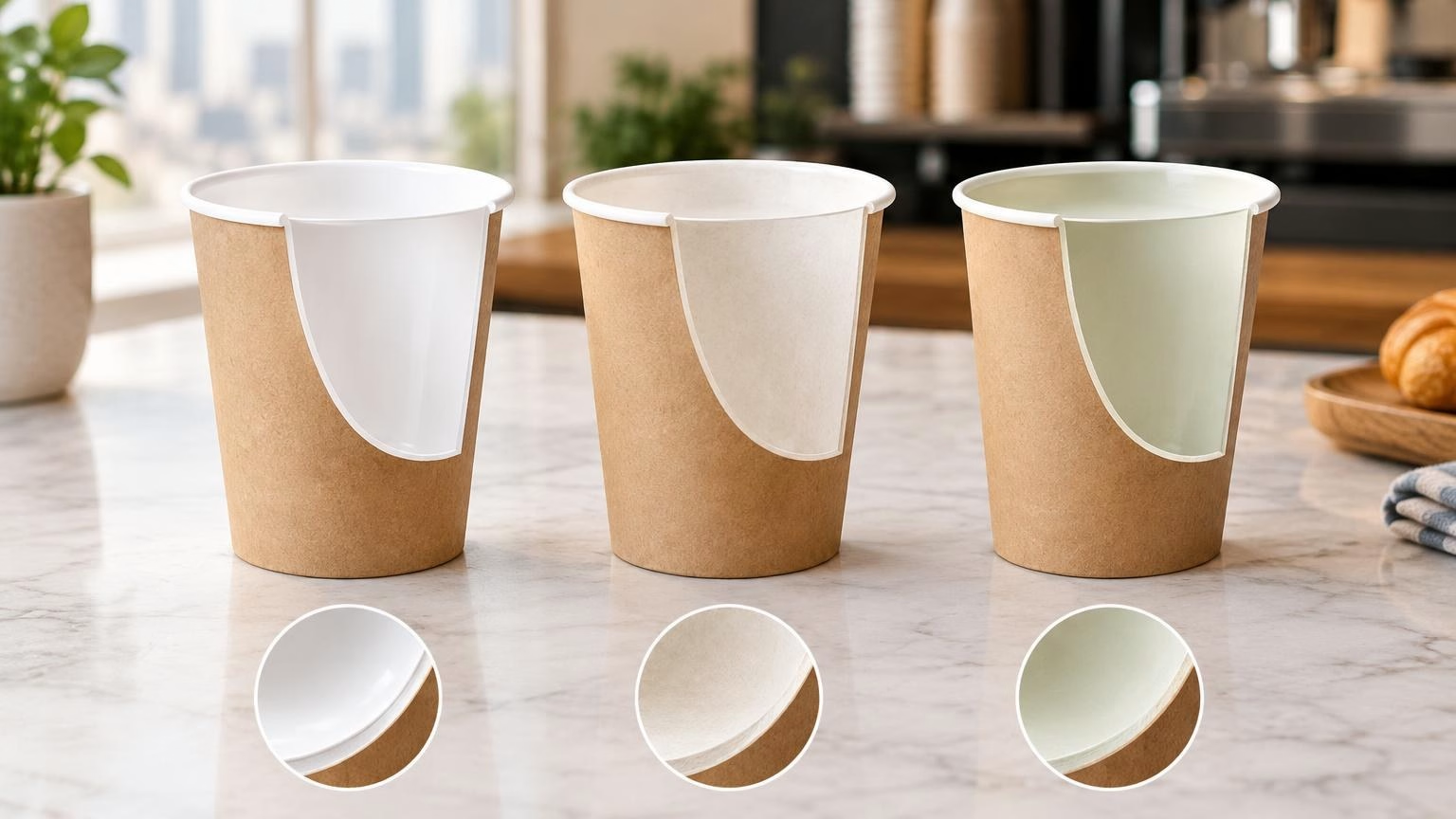
Choosing a paper cup lining means balancing beverage performance, branding needs and end-of-life options. Compare PE, PLA and water-based coatings, and learn what UAE buyers should confirm with a cup supplier.

I can help you find the right printing, corporate gifts, signage and display products. Tell me what you need, your quantity, and your budget if you have one.
WhatsApp us